Advanced Vocal Engineering: Fine-Tuning Pitch, Formants, and Phase for High-Fidelity Productions
Beyond automatic correction: detailed vocal editing, formant manipulation, and phase management for professional mixes.
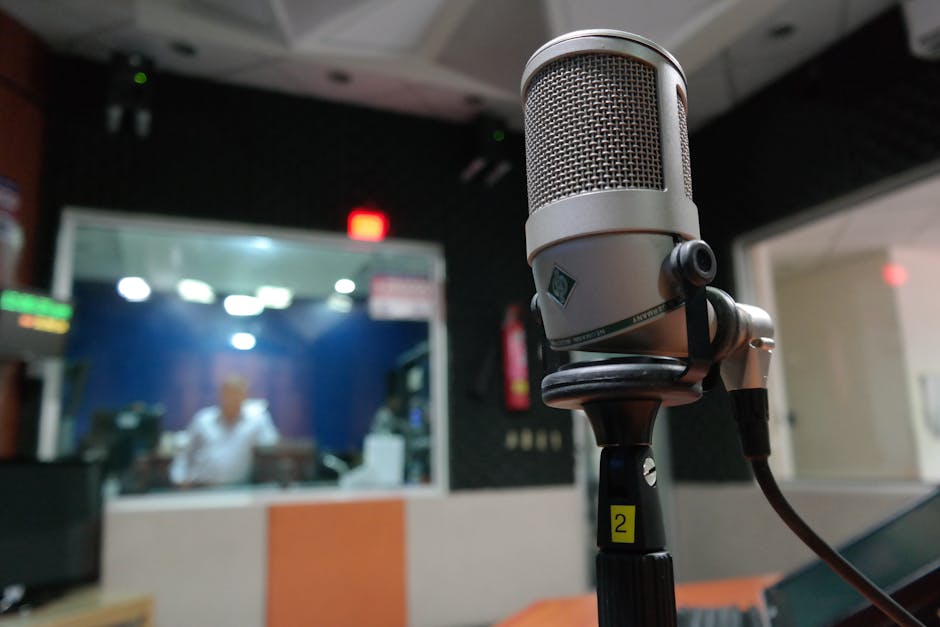
Micro-Temporal and Tonal Precision in Vocal Editing
The human voice is a complex and fundamental instrument in music production. The quality of a vocal performance can define the success of a mix. While automatic pitch correction tools are ubiquitous, contemporary audio engineering demands a more refined and meticulous approach. This article delves into advanced vocal tuning methodologies, transcending simple correction to sculpt performances that blend technical perfection with artistic expression. We will analyze how producers in Argentina and the region are raising the standard, employing techniques that go beyond basic tuning to achieve impeccable vocal integration in high-level productions.
Precision in tonal and temporal adjustment is crucial. Tools like Celemony Melodyne or Steinberg Cubase’s VariAudio offer microscopic control over each note. Beyond automatic correction, manual work allows for modifying the pitch curve of a syllable, adjusting vibrato without altering the vocalist’s original intention, or even repositioning vocal transients for sharper articulation. This level of editing allows for the rectification of subtle inconsistencies that automatic tools might overlook or process unnaturally. For instance, in fast-paced passages, manually altering “pitch drift” or the duration of consonants can create a sense of cohesion and professionalism. Implementing these methods requires a critical ear and a deep understanding of vocal microdynamics, transforming a good take into an exceptional one. For a more detailed reference on Melodyne, you can visit their official website: https://www.celemony.com/.
Formant Manipulation for Vocal Timbre and Spatialization
Formants are the acoustic resonances of the vocal tract that define the timbre and “color” of a voice. Their modification opens a universe of creative and corrective possibilities. By adjusting formants, it is possible to alter the perception of the vocalist’s age or gender, or even accentuate or attenuate specific characteristics without changing the fundamental pitch. This is particularly useful for integrating vocals into dense mixes, where the voice needs to “sit” in a specific frequency space, or for creative effects in genres like electronic music or experimental pop. Specialized plugins provide intuitive interfaces for this task, allowing audio engineers to sculpt vocal texture with unprecedented precision. Experimentation with formants can imbue a voice with an ethereal quality, a darker timbre, or a brighter projection, while always maintaining the desired naturalness.
In productions with multiple vocal tracks, such as choirs or harmonies, phase coherence and synchronization are vital. Minimal misalignment can cause comb filtering issues, resulting in a hollow or weak sound. Advanced techniques include manual phase alignment between takes, the use of time correction tools that preserve transients, and the strategic application of multiband compression to unify the dynamics of a vocal group. Grouping vocals with subtle reverb and delay processing, timed to the song’s tempo, can generate a cohesive and expansive wall of sound. In the context of immersive audio, such as Dolby Atmos mixes, precise spatialization of each vocal element through advanced panning and three-dimensional positioning becomes critically relevant, creating an enveloping listening experience for the audience. Advances in mixing and post-production software make these complex interactions easier. For more information on Dolby Atmos production, consult: https://professional.dolby.com/music/dolby-atmos-for-music/.
Phase Synchronization and Coherence in Multiple Vocal Tracks
Artificial intelligence is redefining the landscape of vocal processing. New AI-based plugins, such as those offered by iZotope with their Nectar line, are already assisting in detecting problematic resonances, suggesting EQ and compression adjustments, and even generating harmonies. These tools do not replace the engineer but act as intelligent assistants, accelerating the workflow and allowing more time for creative decision-making. Furthermore, remote music production, facilitated by platforms like Splice or SoundBetter, requires vocal tuning techniques to be transferable and consistent, regardless of the studio. Standardization of processes and the use of high-quality file formats are fundamental to maintaining the integrity of the voice throughout geographically distributed collaborations. Adopting these innovations positions audio professionals to face the challenges and seize the opportunities of the current industry. To learn more about iZotope Nectar, visit: https://www.izotope.com/en/products/nectar.html.
Advanced vocal tuning is a discipline that combines technique and art. By going beyond mere correction, sound engineers can sculpt vocal performances that are not only in perfect tune and rhythm but also convey the desired emotion and character. The application of granular editing, formant manipulation, phase management, and the integration of AI tools, along with a deep understanding of current production trends, are essential. These methodologies enable regional producers to forge soundscapes where the human voice shines with clarity, power, and unparalleled expressiveness, solidifying their place at the forefront of audio engineering.
Related Posts

Tape Echo and Analog Delay: Technical Evolution and Aesthetic Impact in Sound Production
Explore the history and influence of tape echo and analog delay, from their origins to modern digital emulations.

FL Studio: Genesis, Evolution, and Architecture of a Revolutionary DAW in Music Production
A technical analysis of FL Studio's evolutionary journey, from its beginnings as a sequencer to its current role in global music production.

Acoustics and Microphone Techniques for Orchestral Strings: Preserving Cohesion and Sonic Richness
Optimizing string recording: acoustics, stereo mic techniques, and processing for exceptional sonic fidelity.

Microphoning and Processing Lap Steel & Pedal Steel: Tonal Preservation in Contemporary Music Production
Exploring mic techniques, EQ, compression, and effects for capturing the unique expressiveness of lap and pedal steel guitars.