Sonic Engineering of Trap: Rhythmic Programming, Synthesis, and Mixing in Contemporary Productions
Technical analysis of trap production: rhythmic programming, texture synthesis, and mixing techniques for impactful sound.
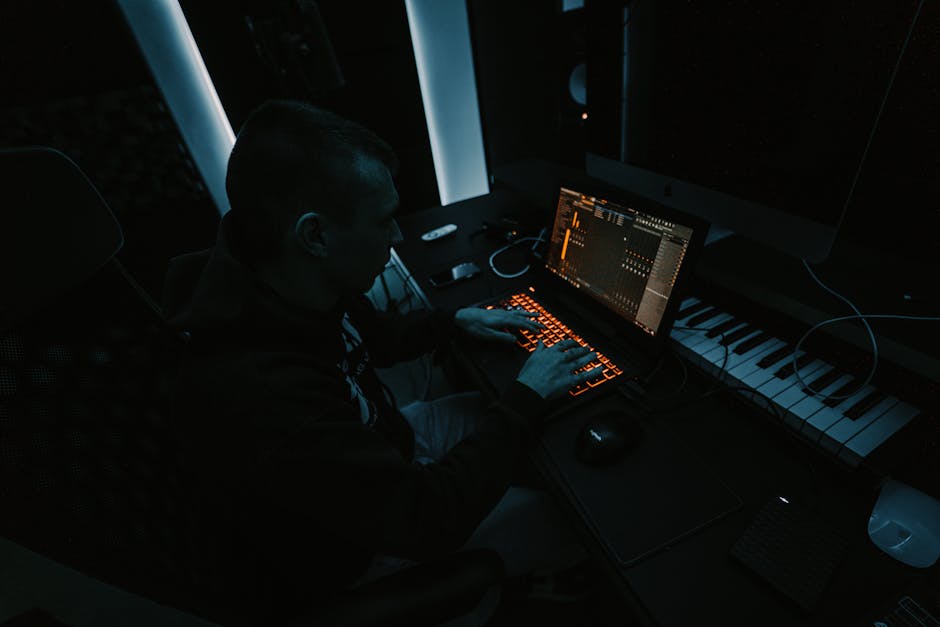
Rhythmic Foundations: The Percussive Backbone of Modern Trap
Contemporary trap music production represents a fascinating intersection of technological innovation and cultural evolution. This genre, with its roots in the Southern United States, has transcended borders, solidifying its position as a dominant force in the global music scene, including the vibrant culture of cities like Buenos Aires and across Latin America. Its development relies on a solid technical foundation and a constant pursuit of new sonic territories. The music creation process in modern trap involves not just composition, but meticulous audio engineering, spanning from timbre selection to final mixing.
The rhythmic framework is the backbone of trap music. The Roland TR-808 drum machine, or its digital emulations, remains fundamental for generating deep sub-bass and impactful kicks. However, current sophistication is evident in hi-hat programming, which often features complex, rapid patterns known as “rolls,” creating a sense of urgency and movement. Contemporary producers frequently complement these traditional elements with synthetic percussion, tuned clap samples, and processed snares for a distinctive “snap.” Manipulating note durations and micro-timing (groove quantization) are essential techniques for imbuing rhythms with unique identity and dynamic balance. Integrating updated sound libraries, such as those available on platforms like Splice, allows creators to access a diverse and relevant sonic palette, keeping productions at the cutting edge.
Synthesis and Sampling: Crafting Atmospheres and Melodies
Beyond percussion, the atmosphere and melody of trap are constructed through synthesizers and the creative use of samples. Sub-harmonic basslines, often generated with sine or saw wave synthesizers and heavy processing, provide the tonal foundation that makes sound systems vibrate. For melodic elements, subtractive and wavetable synthesis are prevalent methods for sculpting leads, pads, and arpeggios with character. Filter modulation, the application of chorus and distortion effects, and the strategic use of amplitude envelopes are key tools for shaping these textures. Sampling vocals, acoustic instruments, or even environmental recordings, and then fragmenting, stretching, or transposing them, lends the genre its particular timbral richness. Artificial intelligence (AI) is beginning to play a role in generating melodic ideas or creating variations of existing samples, offering new avenues for creativity.
The mixing phase is crucial for a modern trap production to achieve its characteristic impact. Equalization is a vital tool for managing the frequency spectrum, ensuring each element occupies its own sonic space. For instance, cutting resonant frequencies in the low-mid range of kicks and basses prevents masking and improves overall clarity. Compression, both individual and parallel, is extensively used to add punch and keep elements dynamically controlled. Sidechain compression on the bass, triggered by the kick drum, is a standard technique to allow the kick to “breathe” and maintain its presence. Spatial management, using carefully tuned reverbs and delays, creates a sense of depth without cluttering the mix. Panning techniques and the use of stereo imaging effects amplify the perception of space. Attention to these technical details contributes to the professional sound that defines the genre on streaming platforms like Spotify.
Mixing Processing: Impact and Clarity in Trap Sound
The music production landscape is constantly evolving, and modern trap directly benefits from workflow innovations. Remote collaboration has gained prominence, with platforms facilitating project sharing and co-creation across distances. The emergence of new plugins with advanced processing capabilities, often driven by machine learning algorithms, allows producers to experiment with distortion modeling, granular synthesis, and spectral processing in ways previously unattainable. Advanced MIDI controllers and low-latency audio interfaces optimize interaction with DAWs. Looking ahead, the integration of immersive audio formats, such as Dolby Atmos, could redefine the trap listening experience, opening entirely new spatial dimensions for sound design. This technological dynamism ensures that trap production will continue to evolve, maintaining its relevance and capacity to surprise.
Related Posts
Holographic Instrument Recording: 3D Spatial Capture for Immersive Sound Experiences
Research into holographic instrumental sound capture, its technology, applications, and challenges for advanced music production.

FM Synthesis: Principles, Parameters, and Applications in Modern Music Production
Explore Frequency Modulation (FM) synthesis, its mechanisms, key parameters, and its lasting impact on contemporary music production.

Dynamic vs. Condenser Microphones: Principles, Applications, and Optimal Selection in Audio Production
Comparative analysis of technology, sonic characteristics, and ideal uses of dynamic and condenser microphones for high-fidelity recordings.

Creative Sampling: Sound Deconstruction and Reconfiguration in Modern Music Production
Exploring decontextualization, manipulation, and audio reconfiguration for novel sonic textures and soundscapes.