Electric Lady Studios: Acoustic Design, Hybrid Technology, and Sonic Legacy in Modern Music Production
An analysis of acoustic engineering, analog/digital equipment, and the enduring influence of Electric Lady Studios on music.
Conception and Acoustic Design of Electric Lady Studios
The conception of Electric Lady Studios, brought to life by Jimi Hendrix’s singular vision in 1970, marked a turning point in the history of sound engineering and music production. This New York establishment was conceived not merely as a recording space, but as a creative sanctuary, an environment free from the constraints of commercial studios of its time. Hendrix’s proposal was bold: to forge a place where sonic experimentation and artistic expression could flourish without limits. Its opening not only fulfilled a personal desire of the artist but also set a new standard, prioritizing creative freedom and technical innovation. Its influence endures, inspiring generations of producers and musicians who seek authenticity and excellence in their work.
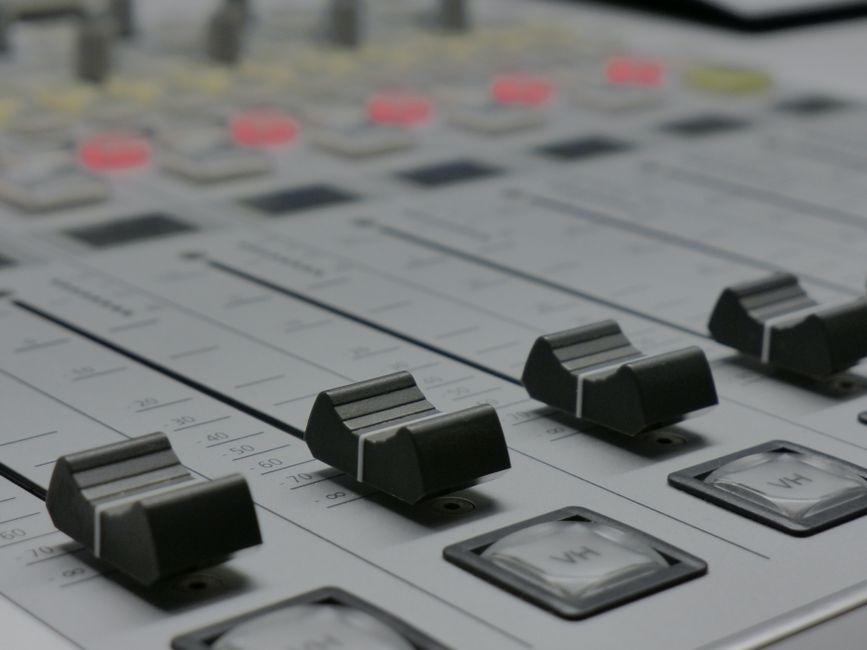
The origin of Electric Lady stems from Jimi Hendrix’s dissatisfaction with conventional studios, which often stifled his creative process and his drive for experimentation. In his quest for a space that would accommodate his innovative musical approach, Hendrix invested a considerable sum to transform the former club The Generation into a state-of-the-art recording studio. His collaboration with engineer Eddie Kramer and architect John Storyk was crucial in designing an acoustically superior and aesthetically inspiring environment. The goal was clear: an environment that fostered spontaneity and allowed for the exploration of new sonic textures, diverging from the rigid structures of established studios. The installation of custom-designed consoles, such as the 36-input custom API, and advanced monitoring systems for its era, like the Urei 813s, propelled Electric Lady to the forefront of audio technology. The choice of a psychedelic and vibrant aesthetic, with murals and a relaxed atmosphere, was not accidental; it aimed to stimulate the imagination and offer a contrast to the austere functionality of other facilities. This holistic design approach, fusing art and acoustic science, set a precedent for the creation of studios focused on artist well-being.
Studio Technical Equipment and Aesthetics
Throughout its more than fifty years of operation, Electric Lady has cemented an unparalleled reputation, establishing itself as the epicenter for recordings that shaped genres and defined eras. From Hendrix’s own posthumous sessions, which formed albums like “The Cry of Love” and “Rainbow Bridge,” to iconic productions by artists such as Led Zeppelin (“Houses of the Holy”), The Rolling Stones (“Goats Head Soup”), Stevie Wonder (“Talking Book”), and David Bowie (“Young Americans”), the studio has been the backdrop for countless creations. Electric Lady’s distinctive sonic character, attributable to its unique acoustic design and meticulously preserved vintage analog equipment, has been fundamental to the identity of many of these productions. Renowned sound engineers who have worked in its rooms have perfected microphone and mixing techniques that capitalize on the space’s natural resonance and the harmonic warmth of its tube preamplifiers and optical compressors. Its ability to infuse recordings with a unique depth and texture is highly valued, a quality much sought after in the digital production era, where emulation of these attributes is constant. The capacity of its recording rooms, such as Studio A, to offer exceptional instrumental separation without sacrificing sonic coherence is a key factor in its enduring appeal. For more details on its legacy, one can consult the official Jimi Hendrix website and the historical archives of Electric Lady Studios.
The continued existence of Electric Lady Studios at the pinnacle of the music industry is a testament to its skill in progressing without abandoning its foundational essence. Despite the technological revolution that has redefined audio production, the studio has successfully incorporated new tools and methodologies without losing its analog identity. Currently, its legendary consoles, such as the restored Neve 8078 in Studio A or the SSL 9000J in Studio B, coexist harmoniously with cutting-edge audio interfaces and advanced digital audio workstations (DAWs) like Pro Tools and Logic Pro X. This hybrid setup grants producers the advantage of the warmth and character of analog gear while benefiting from the flexibility and efficiency of digital workflows. The implementation of systems for immersive audio production, such as Dolby Atmos, illustrates how the studio remains at the cutting edge, offering artists the opportunity to create three-dimensional sonic experiences that meet the demands of modern streaming and new music consumption formats. Furthermore, the studio fosters remote collaboration through low-latency technologies, a growing trend that facilitates sessions between musicians and producers located in different regions, optimizing efficiency in global projects. The adoption of hardware modeling plugins and AI-driven tools for tasks like audio restoration or effect creation complements its analog arsenal, expanding creative possibilities. Electric Lady’s philosophy continues to inspire, demonstrating that technological innovation can coexist with the preservation of an invaluable sonic heritage, adapting to market dynamics without compromising artistic quality.
Sonic Legacy and Emblematic Productions
Electric Lady Studios, over half a century after its establishment, remains a benchmark for creativity and technical excellence in the global music industry. Its legacy transcends the iconic recordings it houses; it embodies a model for how a studio can act as a catalyst for uninhibited artistic expression. Jimi Hendrix’s vision of a space where music could freely flourish continues to be the cornerstone of its operational philosophy. Its constant adaptation to emerging trends, from integrating advanced digital technologies to venturing into spatial audio, ensures its relevance in the current production landscape. This studio is not merely a historical site, but a dynamic entity shaping the future of sound, keeping alive the flame of innovation its founder ignited—a testament to the fusion of art, technology, and vision in contemporary music.
Related Posts

Haptic Synthesis and Transformation: Sound Design Applications in Tactile Interactions
Exploring audio principles for rich tactile experiences in immersive interfaces.

The Evolution of Sampling: From Analog Breaks to AI in Music Production
Explore the historical and technological development of sampling, its impact on hip-hop and contemporary music, and current trends.

808 and Hi-Hat Management: Rhythmic Engineering in Contemporary Trap Production
Analysis of trap's sonic architecture: 808 processing, hi-hat patterns, melodic synthesis, and mixing techniques for digital platforms.

OTT Compression: Loudness Standardization for Global Digital Audio Distribution
Explore OTT compression principles, streaming platform applications, and EBU R128/ATSC A/85 loudness guidelines.