Pro Tools Architecture: Integrating Analog Hardware and Digital Processing for Advanced Sound Production
A technical deep dive into Pro Tools: from signal capture to immersive mixing and remote collaboration.
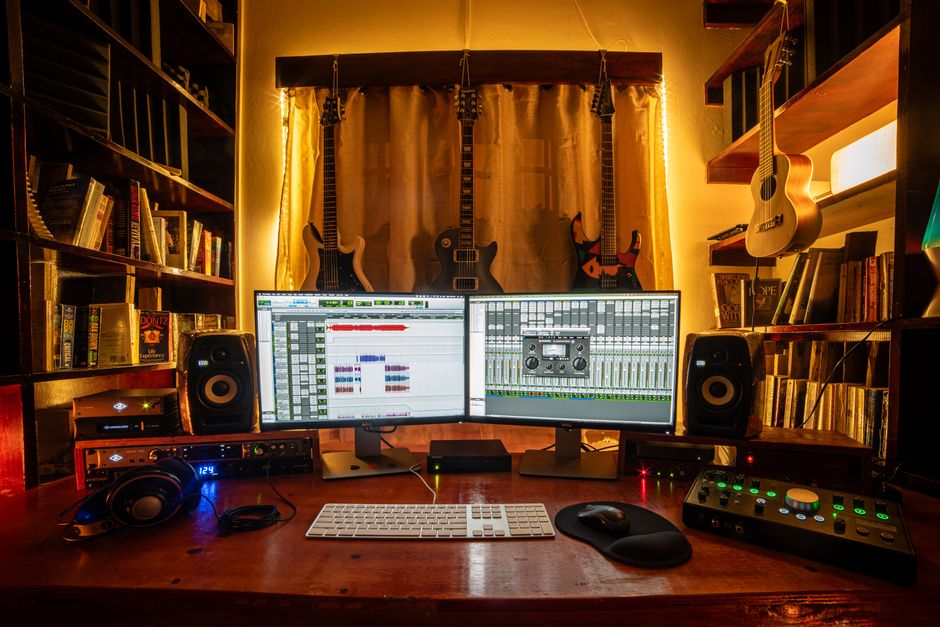
Pro Tools Architecture and Workflow
Contemporary music production demands tools that combine reliability, precision, and adaptability to technological innovations. Pro Tools, Avid’s digital audio workstation (DAW), has maintained a central position in professional studios and independent projects globally, from major production hubs to home studios in cities like Los Angeles or London. Its robust architecture and comprehensive feature set have solidified its status as an essential platform for audio capture, editing, mixing, and mastering.
Operating Pro Tools involves a deep understanding of its interface and workflows, which differ significantly from other DAWs in key aspects such as session management and audio processing. Recording efficiency is enhanced by the proper configuration of interfaces and preamplifiers, ensuring signal integrity from the source. Track organization, bus assignment, and signal routing are fundamental processes that, when executed skillfully, optimize workflow and prevent technical issues. Pro Tools’ ability to seamlessly integrate external hardware, such as analog signal processors, represents a considerable advantage for producers seeking to incorporate the tonal qualities of classic gear into their digital projects. This synergy between digital and analog is a cornerstone in creating productions with character and depth.
Editing and Mixing: Advanced Processing Tools
The editing and mixing stages are where Pro Tools reveals its analytical power. Tools like Elastic Audio allow for non-destructive temporal and tonal manipulation of recordings, facilitating the precise correction of rhythmic or melodic performances. Beat Detective, on the other hand, is used to quantize and align complex rhythmic elements, an invaluable resource in genres that demand impeccable synchronization. In dynamic processing, the application of compressors and limiters, both native and third-party (e.g., plugins from Universal Audio or FabFilter), is calibrated to sculpt the envelope of each instrument, imparting punch and sustain. Selective equalization, identifying and attenuating unwanted resonances or enhancing key frequencies, contributes to clarity and separation in the final mix. Automation, including volume, panning, sends, and plugin parameters, is implemented to imbue the mix with movement and life, creating dynamic and immersive soundscapes.
The music industry is undergoing constant transformation, and Pro Tools adapts to these currents with significant developments. Immersive audio production, particularly in formats like Dolby Atmos, represents one of the most influential trends. Pro Tools Ultimate offers advanced capabilities for creating and mixing content in 7.1.2 and higher, enabling producers to build three-dimensional auditory experiences that redefine music listening on platforms like Spotify or Apple Music. Artificial intelligence (AI)-powered tools are also gaining traction, with plugins that assist in mixing and mastering, such as iZotope Ozone or Soundtheory Gullfoss, which analyze the frequency spectrum and apply intelligent adjustments to improve coherence and tonal balance. Furthermore, remote collaboration has become crucial, and Avid Cloud Collaboration features enable engineers and musicians to work together on sessions from different geographic locations, an increasingly relevant aspect for international and local projects. Integration with advanced MIDI controllers and control surfaces like the Avid S1 or S4 optimizes physical control over the session, streamlining the creative and technical process.
Innovations and Trends in Pro Tools Music Production
In summary, Pro Tools remains a pillar in professional music production, not only due to its heritage but also its continuous evolution and integration with emerging technologies. Mastering it provides engineers and producers with a robust platform to materialize artistic visions, from initial conception to the final delivery of high-quality projects, always at the forefront of innovations in the digital audio sector. Investing in learning its methodologies and assimilating its new features ensures optimal responsiveness to the demands of a constantly moving industry. Tags: music production, Pro Tools, audio engineering, mixing, mastering, Dolby Atmos, AI plugins, digital recording Category: Audio Production
Related Posts

Samplitude: Object-Oriented Architecture and Integrated Workflow for Professional Music Production
Analysis of Samplitude software, highlighting its object-oriented editing, flexible mixing console, and advanced mastering tools.

The Acoustic Legacy of Power Station/Avatar Studios: Design and Evolution in Audio Engineering
An analysis of the acoustic design and technological adaptation of an iconic studio, key to modern music production.

Auratone Monitors: Design Philosophy and Mix Translation Verification
Exploring the role of limited-range monitors in assessing mix consistency across diverse audio systems.
Capturing and Processing Ethnic Instruments: Acoustics, Microphony, and Post-Production
Exploring recording and processing techniques to preserve the timbral authenticity of cultural instruments in modern productions.