The Evolution of Multitrack Recording: From Analog Tape to Digital DAWs
A historical analysis of multitrack recording development, from analog origins to modern digital platforms.
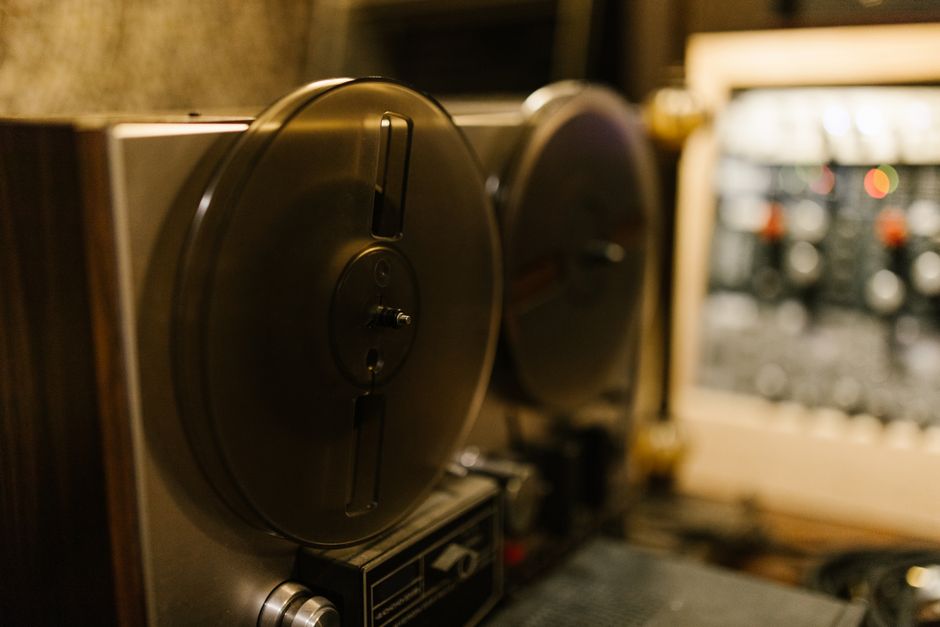
Origins: The Genesis of Analog Multitrack
The ability to record multiple audio tracks independently has radically transformed music creation, enabling the layering of instruments and vocals to build complex and detailed arrangements. This technical innovation, which began with bold experiments, laid the foundation for virtually all modern music production, from the most sophisticated studios in Buenos Aires to the most intimate home studios in Córdoba. Without multitrack, contemporary music as we know it would be unthinkable, limited to live recordings or destructive overdubbing techniques. This historical journey reveals how this methodology evolved and continues to define the global soundscape.
Origins: Analog Multitrack and Its Pioneers
The concept of multitrack recording began to take shape in the mid-20th century, driven by the need for greater creative flexibility in the studio. Before its advent, recordings were made on one or two tracks, forcing musicians to perform the entire piece perfectly in a single take. Any mistake meant restarting the session. The true genesis is attributed to inventors like Les Paul, who, using modified recording equipment in his California home, experimented with sound layering. His pioneering work with magnetic tape manipulation, often using a single-track Ampex 200 recorder with additional heads, allowed him to record one part, play it back, and record another simultaneously onto a new tape, creating a layered sound effect. This process, though rudimentary, was the seed of overdubbing and non-linear editing.
The Ampex company, under Les Paul’s guidance, developed the first commercial multitrack recorder, the Ampex 300, in 1954, initially with three tracks. Shortly thereafter, in 1955, they released the eight-track version. This advancement was monumental, as it allowed engineers and producers to record each instrument separately, offering unprecedented control over the final balance and mix. The music industry quickly adopted this technology, and iconic studios began integrating these bulky and expensive machines. The ability to correct errors on an individual track without affecting the others, or to add elements at different times, opened up a universe of creative possibilities previously unimaginable. Artists like The Beatles and The Beach Boys took full advantage of these tools, pushing sonic experimentation to new heights and defining the sound of their era.
Consolidation and Legacy of Analog Multitrack Recording
Consolidation in the Analog Era
Throughout the 1960s, 1970s, and 1980s, analog multitrack recording reached its zenith. 16- and 24-track tape recorders became the industry standard, with legendary machines from manufacturers like Studer, MCI, and Otari dominating professional recording studios. These units, using 2-inch wide tape, offered a characteristic sound quality, with harmonic saturation and natural compression that many engineers still value. Large-format mixing consoles from brands like Neve and SSL, combined with these recorders, formed the heart of studios, allowing granular control over each track, effects sends and returns, and nascent automation.
The analog workflow involved meticulous organization and a deep understanding of tape properties, including speed, background noise, and “print-through.” Editing was performed physically, by cutting and splicing tape with a razor blade and splicing tape. Although laborious, this method fostered a discipline and attention to detail that remain relevant in today’s production. Many engineers and producers in Latin America, from ION Studios in Argentina to EMI Studios in Mexico, honed their craft during this era, contributing to the region’s rich tape recorder legacy. The warmth and depth of analog sound remain a benchmark, and the emulation of these devices through modern plugins from companies like Universal Audio constitutes a persistent trend today, seeking to recreate that particular sonic aesthetic.
The Digital Transition and the DAW Era
The Digital Revolution: From ADAT to Digital Audio Workstations
The arrival of digital technology in the late 1980s and early 1990s marked a new revolution. Formats like ADAT (Alesis Digital Audio Tape) and TASCAM DA-88 offered digital multitrack recording at more accessible prices, democratizing access to high-quality production. However, the true turning point was the emergence of Digital Audio Workstations (DAWs). Software like Pro Tools, Logic Pro, and Cubase transformed how musicians and producers interacted with audio. The DAW eliminated the need for physical tape, offering a non-destructive editing environment, unlimited flexibility in audio and MIDI manipulation, and the ability to integrate a vast array of signal processing plugins.
This shift not only reduced production costs and studio footprints but also accelerated workflows and exponentially expanded creative possibilities. Editing, mixing, and mastering were consolidated into a single virtual platform. Currently, DAWs are constantly evolving, integrating advanced features such as cloud-based collaborative production, artificial intelligence for mixing and mastering assistance, and tools for creating immersive audio like Dolby Atmos. Platforms like Splice facilitate remote collaboration, while AI plugins like iZotope Neutron or Gullfoss assist in spectral analysis and mixing decisions. This technological convergence allows artists and producers worldwide, from Buenos Aires to Bogotá, to access professional-level tools from their own homes, redefining the landscape of music production and distribution through platforms like Spotify and Bandcamp.
The history of multitrack is a testament to creators’ relentless pursuit of expanding their sonic horizons. From the early tape experiments to today’s complex digital environments, this technology has been the engine of countless musical innovations, enabling the realization of increasingly ambitious and complex artistic visions. Its evolution continues unabated, and each new tool opens unexpected pathways for sonic expression, keeping alive the promise of future revolutions in the recording studio.
Related Posts

The Compact Disc: Engineering and Standardization of Optical Digital Audio
Exploring the CD's evolution, technical specifications, and its lasting impact on the music industry and audio consumption.

Deep Learning in Vocal Restoration: Noise Reduction, De-reverberation, and Source Separation
How deep learning is redefining vocal enhancement, from noise removal to source separation.

AMS Legacy: Digital Pioneers in Reverb and Delay That Defined Modern Audio
Exploring the impact of the RMX16 and DMX15-80S on sound manipulation and their influence on today's audio tools.

Audio Filters: Operating Principles and Sonic Character in Analog and Digital Domains
Explore the conceptual and practical differences between analog and digital filters, their applications, and sonic impact in music production.