Innovations at Abbey Road: The Beatles' Recording Engineering and Sonic Creativity
Analysis of The Beatles' and Abbey Road's pioneering techniques that redefined music production and laid foundations for sound design.
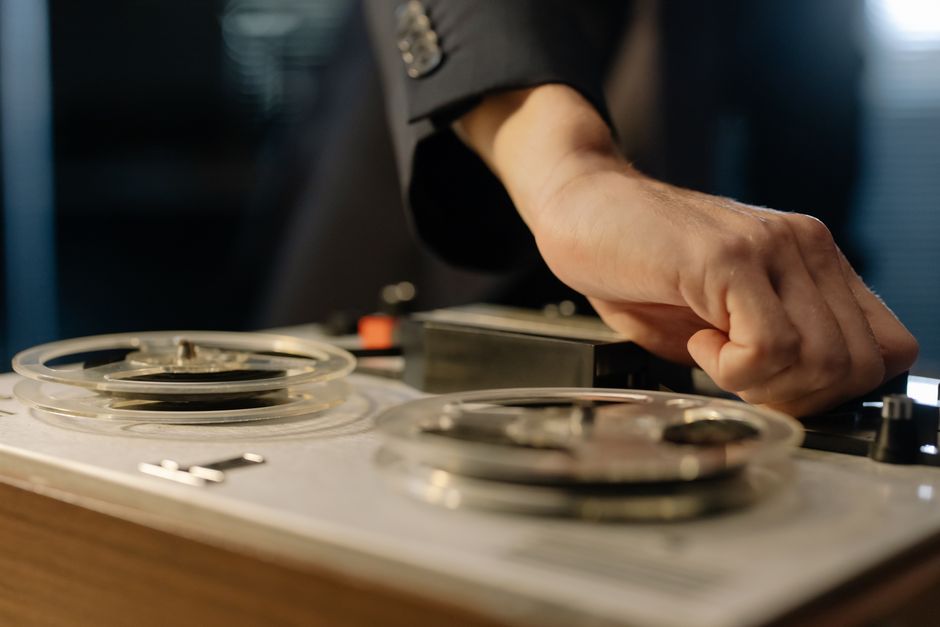
Innovations in Recording: Pioneering Abbey Road Techniques
Abbey Road Studios, an epicenter of sonic innovation, has transcended its status as a mere recording studio to become a true creative laboratory. Within this context, the interplay between The Beatles and the sound engineering team present redefined the boundaries of music production. Beyond composition, the band, alongside figures like George Martin and Geoff Emerick, spearheaded a revolution in recording methodologies that still resonates today in the consoles and workstations of producers worldwide.
During the 1960s, the studio, then known as EMI Studios, operated with technology that, while advanced for its time, imposed technical limitations. Four-track recording, for example, necessitated considerable inventiveness. However, these constraints transformed into catalysts for creativity. The team developed pioneering techniques: Automatic Double Tracking (ADT), a form of automatic vocal duplication; flanging, a phase modulation effect; and the manipulation of tape loops and reverse recording. These innovations not only enriched The Beatles’ sound but also laid the groundwork for much of contemporary digital post-production and sound design. The application of close-miking for Ringo Starr’s drums, an uncommon practice then, allowed for an unprecedented rhythmic presence, an approach that is now standard in any studio session. A paradigmatic example from this era is the song “Tomorrow Never Knows,” a sonic manifesto showcasing the audacity of their experiments with tape loops, varispeed, and vocal processing, anticipating the capabilities of modern samplers and synthesizers by decades.
The Studio as an Instrument: Sonic Manipulation and Effects
The experimental phase reached its zenith with albums like “Revolver” and “Sgt. Pepper’s Lonely Hearts Club Band.” Here, the band and the Abbey Road team delved deeper into sonic exploration, using the studio as an additional instrument. Varispeed recordings were implemented to alter the pitch and timbre of instruments, complex orchestrations were integrated, and unusual sound effects, such as calliope tapes or dog barks, were incorporated. Mixing became a sculptural art, where each element was meticulously molded to contribute to a cohesive auditory narrative. The ability to overcome the limitations of analog equipment, such as the need to “reduce” multiple tracks to a single one to free up space, fostered a discipline and vision that are instructive for today’s producers handling unlimited DAW environments. This holistic approach to production anticipated the complexities of modular synthesis and contemporary sound design, where the manipulation of the sound source is as crucial as the performance.
The Beatles’ final years at Abbey Road, culminating with “The White Album” and the eponymous “Abbey Road,” saw the consolidation of these methodologies and the adoption of new technologies, such as eight-track recording. This increased flexibility allowed for more detailed sonic layering and complex arrangement structures. The pursuit of technical and artistic perfection remained constant, with a meticulous focus on miking, equalization, and dynamic balance. The studio was not merely a physical space; it was an active collaborator, a facilitator of artistic visions. This legacy extends to the present day, where Abbey Road Studios continues to be a center of excellence, adapting to contemporary trends such as immersive mixing in formats like Dolby Atmos, which has allowed for the reinterpretation and appreciation of the spatial richness of The Beatles’ historic recordings. Their focus on innovation stimulates modern music production, from independent studios in Buenos Aires to major international production houses, demonstrating the timelessness of technical curiosity and creative boldness.
Technological Evolution and Legacy in Music Production
The synergy between The Beatles’ musical talent and the technical prowess of the Abbey Road Studios team constitutes an enduring testament to boldness and curiosity. The way they pushed the boundaries of recording technology not only defined their sound but also set new standards for the industry. Their influence on the evolution of recorded sound is undeniable, and their work at Abbey Road remains a constant benchmark for engineers and producers seeking to expand the possibilities of musical expression. Further examination of their recording methods can be found in the official Abbey Road Studios documentation or on platforms like Spotify, where their remastered albums offer a window into this sonic legacy.
Related Posts

AI-Powered Contextual Mastering: Feature Analysis and Application in Modern Workflows
AI analyzes audio contextually, optimizing music production and complementing human expertise in global studios.

The Evolution of Multitrack Recording: From Analog Tape to Immersive Digital Production
We explore the technological journey of multitrack recording, from its analog beginnings to digital platforms and immersive audio.

Mastering the Stage: Unpacking Chitãozinho & Xororó's Enduring Live Performance Magic
Explore the artistry behind Chitãozinho & Xororó's iconic live performances, offering insights for Latin American musicians and producers on stagecraft, sound, and legacy.

Unveiling the Sonic Alchemy: Charly García's Revolutionary Studio Production
Explore the groundbreaking studio techniques and artistic vision that shaped Charly García's iconic sound and influenced Latin American music.