The Evolution of the Delay Effect: From Natural Acoustics to Digital and Spatial Manipulation
A historical and technical journey through delay processing, from its analog origins to digital and spatial innovations.
Origins of Delay: From Natural Resonance to Magnetic Tape
Echo, one of sound’s earliest interactions with its environment, served as the inspiration for one of music’s most ubiquitous effects: delay. From the natural resonance of a cave to sophisticated algorithmic emulations, this temporal effect has shaped countless genres and compositions. Its ability to add depth, rhythm, and texture makes it a fundamental tool in any producer’s or audio engineer’s palette. Let’s analyze the historical and technical journey this processing has undertaken.
Acoustic Origins and Analog Invention
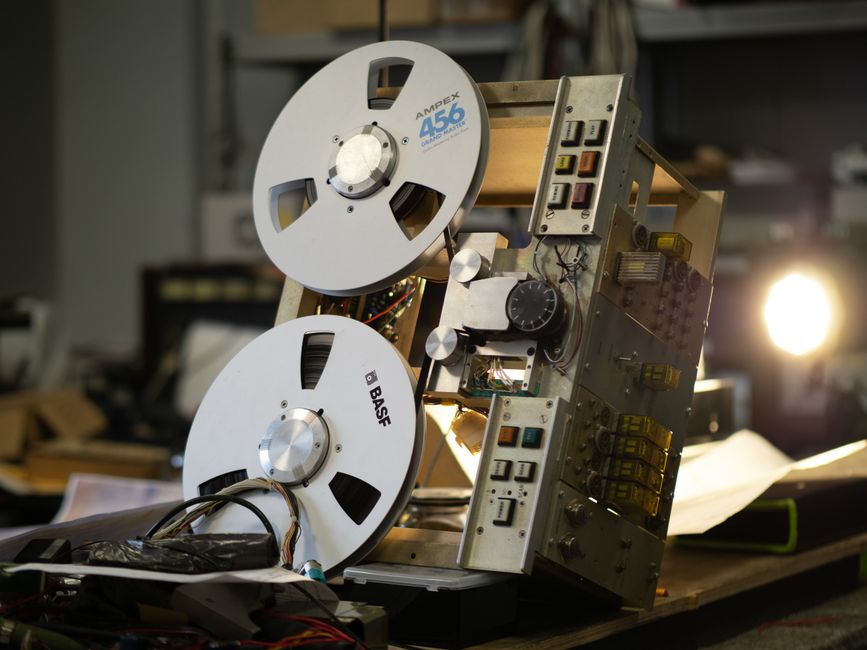
The emulation of natural echo began with rudimentary methods. Echo chambers, acoustically designed spaces to generate reverberation, were direct precursors. However, true controlled manipulation of repeat time emerged with magnetic tape technology in the mid-20th century. A prime example is Maestro’s Echoplex or the iconic Roland RE-201 Space Echo. These devices used a tape loop that recorded and played back audio, allowing adjustment of tape speed and head spacing to vary delay time and feedback amount.
These analog systems not only offered timed repetitions but also imparted a distinctive sonic coloration, characterized by tape saturation and inherent modulation, often described as warm and organic. Many current producers value this quality, seeking emulations of these units for their unique sonic character. For a deeper dive into these classic devices, one can refer to specialized articles like those from Sound on Sound on the history of delay. https://www.soundonsound.com/techniques/history-delay-effects
Digital Transition: Precision and Algorithmic Flexibility
The Digital Emergence and Algorithmic Precision
The 1970s witnessed the arrival of the first digital delay processors. Devices like the Lexicon 224 or the Eventide H910 Harmonizer marked a milestone, offering a clarity and precision in delay that tape systems could not match. These devices converted the audio signal to digital format, stored it in memory, and then played it back after a specific time interval. This architecture allowed for finer manipulation of time, modulation, and synchronization capabilities with musical tempo.
With the advent of digital audio workstations (DAWs) and the development of plugins, delay became accessible to any producer. Modern digital emulations not only faithfully replicate the characteristics of their analog counterparts but also extend creative possibilities. Plugins like FabFilter Timeless, Soundtoys EchoBoy https://www.soundtoys.com/product/echoboy/ or Valhalla Delay are examples of tools that combine the warmth of the past with the flexibility of the present, incorporating advanced features such as filtering, modulation, and ducking.
Current Innovations and Creative Expansion of Delay
The current landscape of delay is characterized by constant innovation. Beyond basic repetitions, software developers have integrated functionalities that allow for unprecedented sonic manipulation. Complex rhythmic delays, for instance, utilize multiple delay lines with different timings and panning to build intricate patterns that add movement to an arrangement. The “ping-pong” delay, which alternates repetitions between stereo channels, is a common technique for widening the stereo image.
Contemporary Innovations: Textures, Rhythms, and Spatiality
A growing trend includes the use of delays with integrated ducking capabilities, where the volume of the repetitions is automatically reduced when the original signal is present, allowing the lead vocal or instrument to remain clear, with repetitions reappearing in the silences. Some plugins even incorporate artificial intelligence elements to adaptively adjust parameters. Immersive audio production, such as audio for Dolby Atmos, has also driven the development of spatial delays that position repetitions in a 3D field, expanding sound design possibilities.
The implementation of delays with granular or “shimmer” algorithms has also gained traction, transforming repetitions into ethereal and atmospheric textures through pitch shifts and reverberation. These advancements not only facilitate the creation of classic effects but also open new avenues for sonic experimentation, from electronic music to film.
Future Projections in Delay Processing
The evolution of the delay effect, from its humble mechanical beginnings to today’s sophisticated digital tools, illustrates a constant pursuit of temporal sound manipulation. This processing, far from being a mere echo, has solidified itself as an indispensable rhythmic, textural, and spatial element. The integration of artificial intelligence, expansion into immersive audio formats, and the continuous reinterpretation of its analog origins promise a future where delay remains a driver of creativity and musical expression. Its transcendence endures, adapting to each new generation of producers and listeners, affirming its central role in sonic architecture.
Related Posts

Capturing the Sound of Fretless Instruments: Miking, Acoustics, and Advanced Processing
Technical analysis of miking techniques, acoustic treatment, and processing for high-fidelity recordings of bowed string instruments.

The Acoustic Legacy of Criteria Studios: Innovation, Adaptation, and Sonic Quality in Analog and Digital
An analysis of the technical evolution and influence of Criteria Recording Studios in music production, from analog to digital.

Zeca Pagodinho Live: The Unrivaled Soul of Samba on Stage
Dive into the magic of Zeca Pagodinho's live performances, a masterclass in authentic samba spirit and captivating stage presence for artists and producers.

Evolution of Multitrack Recording: From Analog Tape to DAWs and AI
Analyzes the historical, technical, and creative development of multitrack recording, from Les Paul to digital innovations and AI.