USB vs. Thunderbolt: Evaluating Performance and Latency in Audio Interfaces for Music Production
Comparative analysis of USB and Thunderbolt architectures, highlighting their impact on latency, bandwidth, and stability for audio workflows.
Fundamentals of Digital Connectivity in Audio: USB vs. Thunderbolt
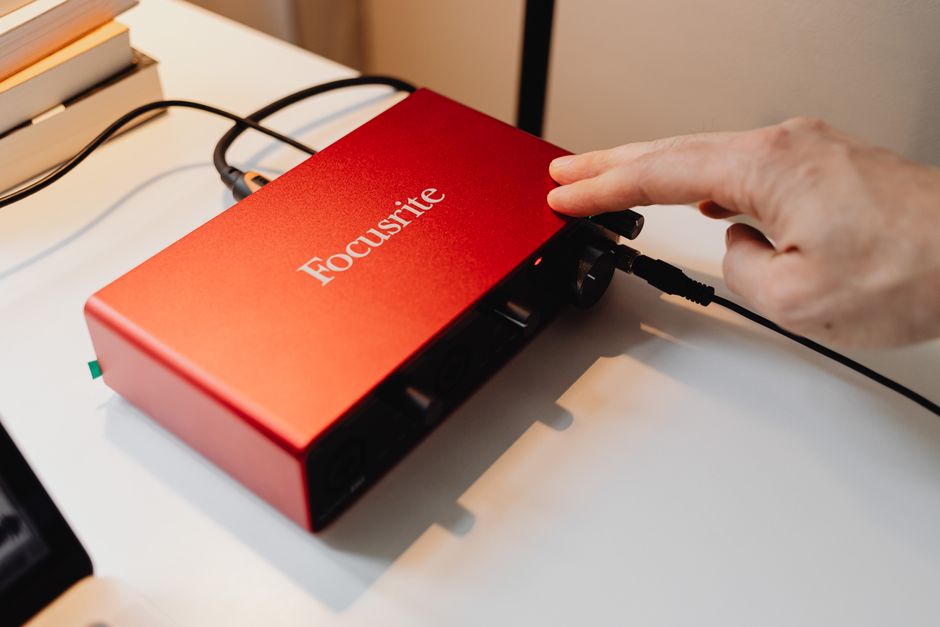
The choice of an audio interface is a fundamental decision for any music producer, sound engineer, or musician in the digital age. This central component bridges the gap between the analog world of instruments and microphones and digital processing within a Digital Audio Workstation (DAW). In today’s landscape, two connectivity standards dominate the high-performance audio interface market: USB and Thunderbolt. Understanding the technical characteristics and practical implications of each is essential for optimizing a production workflow.
Fundamentals of Digital Connectivity in Audio
An audio interface digitizes analog signals for processing by the computer and, conversely, converts digital signals back into analog for playback through monitors or headphones. The efficiency of this data transfer is critical, directly impacting latency, the number of simultaneous tracks that can be recorded, and overall system stability. USB connectivity, in its various iterations (USB 2.0, USB 3.0/3.1/3.2, USB4), has been a cornerstone due to its ubiquity and universal compatibility. The latest versions, such as USB 3.1 Gen 2, offer theoretical bandwidths of up to 10 Gbps, enabling the handling of a considerable number of audio channels with reasonable latency. However, actual bandwidth can vary depending on other connected USB devices and the specific controller implementation.
On the other hand, Thunderbolt, developed by Intel in collaboration with Apple, was designed from its inception for high-performance applications demanding extremely fast data transfer and low latency. Thunderbolt 3 and 4 versions utilize the USB-C connector and offer bidirectional bandwidths of up to 40 Gbps, significantly surpassing USB in this regard. This capability allows for the daisy-chaining of multiple devices, such as 4K displays, external hard drives, and various audio interfaces, through a single port while maintaining robust performance. Thunderbolt’s architecture, which integrates PCI Express and DisplayPort into a single cable, gives it an intrinsic advantage in managing low-latency, high-concurrency data.
Performance and Latency in Music Production Environments
Performance and Applications in Production Environments
Latency is perhaps the most critical factor in music production, especially during recording. High latency can cause a perceptible delay between playing an instrument and hearing it through the interface, hindering performance. Thunderbolt interfaces generally exhibit significantly lower latency than their USB counterparts, thanks to their direct connection to the system’s PCIe bus. This allows musicians to monitor their performance with real-time plugin effects without experiencing annoying delays, a considerable advantage for guitarists using virtual amp modelers or vocalists wishing to hear their voice with reverb.
System stability also differentiates these two technologies. In professional studio environments, where multiple tracks are recorded at high sample rates (e.g., 96 kHz or 192 kHz) and bit depths, Thunderbolt’s ability to maintain a consistent, uninterrupted data flow is highly valued. This reduces the likelihood of audio dropouts or digital artifacts, ensuring pristine recordings. Interfaces like those from Universal Audio with their integrated UAD processors, or the Apollo systems, leverage Thunderbolt’s speed to run DSP plugins with near-zero latency, freeing up the computer’s CPU resources. High-end USB interfaces, such as those from RME or Focusrite, have successfully optimized their driver performance to reduce latency in their USB 3.0/3.1 devices, offering very competent solutions for most home studios and medium-scale projects.
Current Trends and Considerations for Choice
Technical Considerations and Trends for Selecting Interfaces
The audio interface landscape is enriched by constant innovation. We observe a trend towards consolidating functionalities, with interfaces that not only handle audio but also integrate USB hubs, MIDI ports, or even AVB/Dante network capabilities for more complex studio setups. The growing demand for remote production and collaborative online workflows also influences the choice. For a producer working from home in cities like London or Manchester, who doesn’t require a massive number of simultaneous inputs/outputs, a quality USB 3.0/3.1 interface can be a cost-effective and perfectly suitable solution. Brands like Audient or PreSonus offer models with excellent preamps and converters that meet the needs of most artists.
However, for professional studios handling large sessions with dozens of tracks, complex instrumentation, and intensive use of real-time plugins, the investment in a Thunderbolt interface is fully justified. The daisy-chaining capability simplifies cable management and allows for flexible studio expansion. Furthermore, compatibility with the latest hardware ecosystems, especially on macOS platforms where Thunderbolt is a standard, can be a determining factor. It’s relevant to consider that, while Thunderbolt offers superior performance, its price is typically higher, and its compatibility can be more restrictive on some Windows systems, although this has improved substantially with Thunderbolt 4 and USB4.
Ultimately, the selection between USB and Thunderbolt comes down to a balance between specific project needs, available budget, and the existing technological ecosystem. Both standards have evolved to offer high-quality audio solutions. Users should evaluate the required number of channels, the importance of minimal latency for their workflow, the need for daisy-chaining additional devices, and the long-term investment to determine the most advantageous option for their music production setup.
Related Posts

Acoustic Capture of Crystal and Tibetan Singing Bowls: Miking, Processing, and Spatial Audio
Research into optimal miking and digital processing techniques for preserving the sonic integrity of crystal and Tibetan singing bowls.
The Evolution of Multitrack Recording: From Les Paul to DAWs
Exploring the history and impact of multitrack recording, from its analog beginnings to the digital DAW revolution.
REAPER: Customization Architecture and Efficiency in Modern Music Production
An analysis of REAPER's architecture, advanced customization, and workflow optimization for contemporary music production.

Live Sound Engineering: Miking and Processing for the Band Turf
Technical analysis of live sound approaches for the band Turf, detailing miking, processing, and monitoring.