Parametric vs. Graphic EQs: Applications and Spectral Control in Music Production
Explore the differences and applications of parametric and graphic equalizers for refining audio mixes and solving frequency challenges.
Graphic Equalizers: Interface and Real-Time Applications
Equalization is a fundamental tool in the music production process, directly impacting the clarity, tonal balance, and presence of each element in a mix. The choice between a parametric and a graphic equalizer is not trivial; each type offers distinct advantages suited to various stages and objectives of audio production. Understanding their operational principles and ideal applications is essential for any sound engineer or music producer aiming to refine their work.
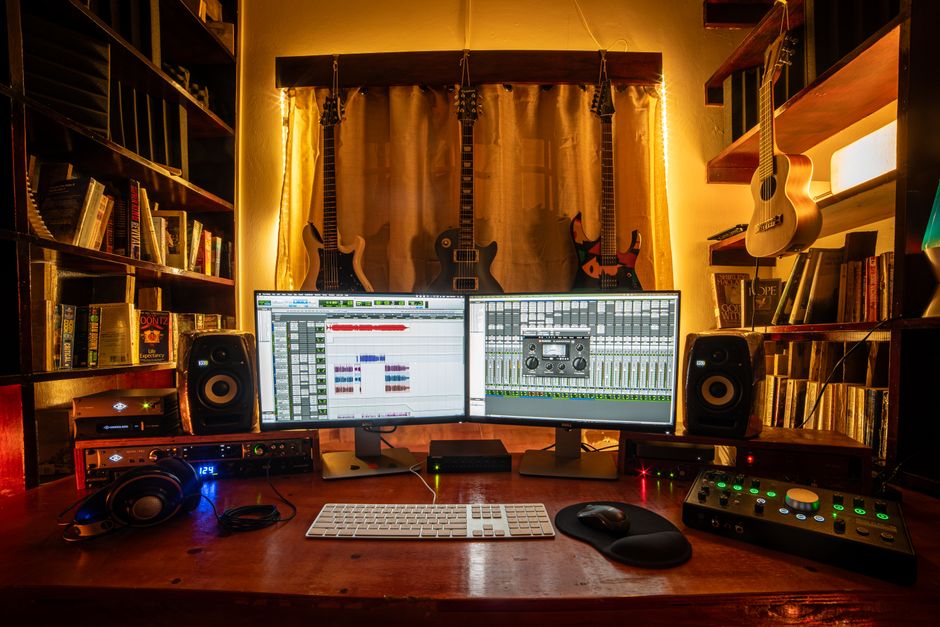
Graphic equalizers, known for their intuitive slider interface, operate on a predefined set of fixed frequency bands. This configuration allows for quick and noticeable tonal adjustments across a broad spectrum. Their visual design, which directly represents the frequency response curve, makes them particularly efficient for general interventions. In live sound, for example, these devices are invaluable for correcting room response, mitigating acoustic resonances, or quickly enhancing vocal intelligibility. Many contemporary digital consoles integrate graphic equalizers with real-time spectral analysis capabilities, facilitating rapid identification and attenuation of problematic frequencies, or the overall tonal shaping of a master mix. The implementation of advanced algorithms in modern plugins, such as those from Waves Audio or SSL, expands their utility, offering an enhanced visual experience and greater precision in the fixed bands.
Parametric Equalizers: Detailed Control of the Audio Spectrum
In contrast, parametric equalizers provide significantly more detailed control over the audio spectrum. They allow manipulation of three key parameters for each band: the center frequency (where the filter acts), the gain (how much is attenuated or boosted), and the Q factor (the bandwidth, i.e., the narrowness or breadth of the equalization curve). This fine-tuning capability makes them the preferred choice for mixing and mastering tasks that demand high specificity. With a parametric equalizer, it’s possible to isolate and resolve annoying resonances in an instrument, sculpt the texture of a voice, or subtly integrate different elements into the mix. Cutting-edge plugins, like FabFilter Pro-Q 3 or the equalizers from Universal Audio, not only offer an exceptional visual interface with real-time spectral analysis but also incorporate advanced functions such as dynamic equalization, where a band’s gain responds to the amplitude of the incoming signal, or Mid/Side processing, allowing independent adjustments for the center and sides of the stereo field. These innovations enhance the producer’s ability to manage complex frequency interactions with unprecedented finesse.
The choice between a parametric and a graphic equalizer often depends on the context and the objective. For broad corrective interventions on a full mix or an output bus, a graphic equalizer can streamline the process. If specific intervention is required to clean up a particular frequency on an individual track or to shape a timbre creatively and precisely, the parametric is unsurpassed. Many engineers combine both approaches: they may start with a graphic equalizer to establish a general tonal foundation and then employ a parametric for fine-tuning and resolving specific issues. The current trend in music production software integrates these functionalities, offering hybrid tools that combine the visual immediacy of graphics with the depth of control of parametrics. Platforms like Ableton Live or Logic Pro X, along with plugin suites like iZotope Neutron, offer equalization modules that allow fluid transitions between modes and advanced visualizations, including AI-assisted frequency masking detection. This evolving landscape of tools drives producers to adapt their methodologies, achieving more refined and efficient results.
Strategic Selection: Comparative Applications of Graphic and Parametric EQ
Mastery in equalization lies in the deep understanding of each tool type’s strengths and the ability to apply them strategically. Both parametric and graphic equalizers are pillars in audio production, each with its defined role. While the graphic excels at quick, general adjustments, the parametric allows for surgical intervention essential for clarity and sonic detail. Constant practice and experimentation with the diverse options available in today’s digital market are fundamental for any audio professional seeking to optimize the quality of their productions. The synergy between these techniques, enhanced by technological innovations, opens new avenues for creative expression and technical excellence in sound.
Related Posts

Moog Synthesis: Architecture, Evolution, and Impact on Modern Music
Explore the modular architecture and evolution of the Moog synthesizer, from its origins to its enduring influence on music.

Cross Modulation Fundamentals: AM, FM, and Ring Modulation in Sound Design
Technical analysis of cross-modulation, exploring AM, FM, and Ring Modulation for creating complex timbres and unique sonic textures.

Studio One 6.5: Architecture, Workflow, and Immersive Production Capabilities
Analysis of the Studio One music production environment, highlighting its workflow and Dolby Atmos immersive audio integration.

Capturing and Processing Small Percussion: Advanced Techniques for Detail and Texture in Mixes
Optimize recording of shakers, güiros, and pandeiros. Sound engineering to enhance transients, timbre, and ambiance in music productions.