X-Y vs. A-B Stereo Miking: Phase Coherence and Spatial Amplitude
Analysis of X-Y and A-B stereo microphone configurations, focusing on phase coherence, amplitude, and acoustic environment application.
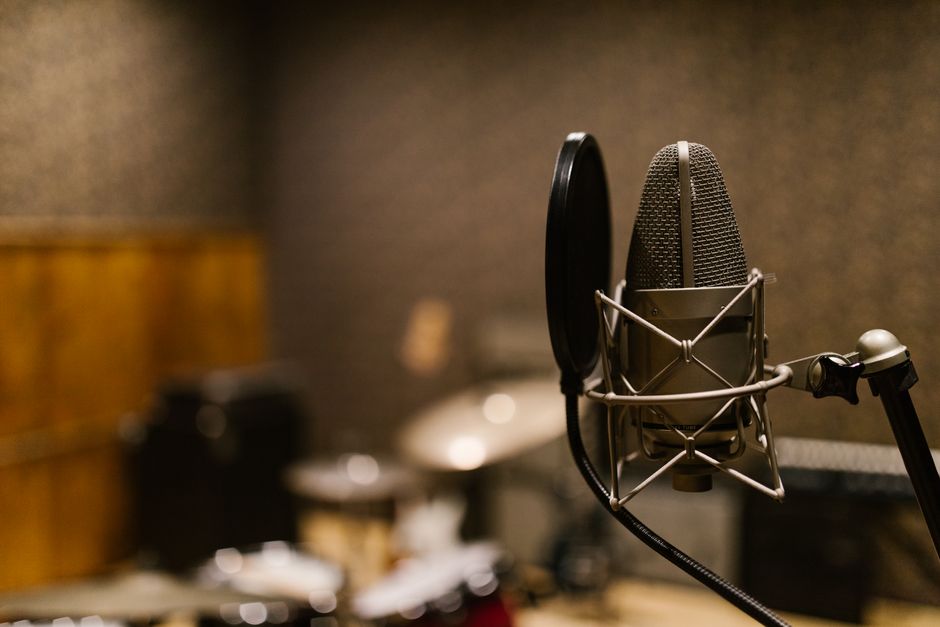
Fundamentals of Stereo Miking for Sonic Dimensionality
Creating an expansive and immersive soundscape is a primary goal in music and audio production. Stereo miking, through its various configurations, enables the capture of spatial dimensionality from a sound source or acoustic environment. This approach transcends mere mono recording, allowing the listener to perceive the location, depth, and width of elements within a soundstage. The correct application of these techniques is crucial for achieving recordings with superior auditory realism, directly impacting the immersion and perceptual quality of the final material. Two of the most prevalent and fundamental methodologies in this field are the X-Y and A-B configurations, each possessing distinct characteristics that make them suitable for different capture scenarios.
The X-Y technique, also known as “coincident miking,” involves positioning two directional microphones (typically cardioids) with their capsules as close as possible, forming a specific angle between them, commonly 90 degrees. The diaphragms should be vertically aligned, ensuring that sound reaches both microphones simultaneously. This physical proximity minimizes time-of-arrival differences between the signals, resulting in excellent phase coherence. A significant advantage of the X-Y configuration is its robust mono compatibility; when the stereo signals are summed to mono, phase cancellation is drastically reduced, preserving the integrity of the sound.
To implement this technique, two small or large-diaphragm condenser microphones are typically employed, mounted on a stereo bar. The angle between the microphones can vary between 90 and 120 degrees, depending on the desired width of the stereo field and the nature of the sound source. A wider angle will generate a more expansive stereo image, albeit with a potentially less defined center image. This methodology is particularly well-suited for capturing individual acoustic instruments such as guitars, pianos, or drum overheads, as well as small musical ensembles where spatial precision and mono solidity are paramount. For instance, when recording a chamber orchestra, the X-Y configuration can offer a faithful representation of the instrument layout on stage while maintaining a clear and concise stereo image, a fundamental aspect for classical or contemporary music productions demanding high tonal fidelity. More information on polar patterns can be found in resources like Shure’s guide to microphone polar patterns: https://www.shure.com/en-US/products/microphones/accessories/polar-pattern-guides.
X-Y Configuration: Phase Coherence and Mono Fidelity
In contrast, the A-B configuration, known as “spaced pair,” relies on the physical separation of two identical microphones. These microphones, often omnidirectional to capture room ambience more naturally, are positioned at a distance that can range from 30 centimeters to several meters, depending on the size of the sound source and the acoustics of the space. The stereo image in A-B is primarily created by interaural time differences (ITDs) and, to a lesser extent, interaural level differences (ILDs) between the two signals. This technique tends to produce a wider stereo image and a more immersive sense of space compared to X-Y, effectively capturing the reverberation and depth of the environment.
However, the A-B configuration presents a potential challenge: possible phase cancellations when the signals are summed to mono. With a considerable distance between the microphones, sound waves arrive at different times, which can lead to comb filtering and a loss of frequencies in the monaural signal. To mitigate this effect, sound engineers often employ the “3-to-1 rule,” which suggests that the distance between microphones should be at least three times greater than the distance from each microphone to the sound source. The A-B configuration is ideal for recording choirs, large orchestras, wide percussion setups, or for capturing the overall atmosphere of a concert hall or studio with attractive acoustic characteristics. Its ability to generate a sense of width and depth makes it a preferred choice for immersive soundscapes, such as those sought in film score or ambient music recordings. The Sound on Sound portal offers detailed analyses of various stereo miking techniques, including A-B: https://www.soundonsound.com/techniques/stereo-mic-techniques.
The choice between X-Y and A-B fundamentally depends on the desired sonic outcome and the recording context. While X-Y offers precise localization and excellent mono compatibility, A-B provides a vaster stereo image and a greater sense of ambience. It is essential to evaluate the acoustic properties of the recording space. A room with pleasing reverberation will benefit from A-B’s ability to capture ambience, whereas a space with deficient acoustics might be better served by the proximity and directionality of X-Y, which minimizes the influence of unwanted ambience.
In contemporary music production, these fundamental techniques are complemented by advanced digital tools. Spatial processing plugins, such as those offered by Waves with its S1 Stereo Imager or the stereo imaging modules in suites like iZotope Ozone, allow for the manipulation and refinement of stereo image width and coherence post-recording. Furthermore, the increasing relevance of immersive audio formats like Dolby Atmos compels engineers to deeply understand how soundstage is constructed from capture. While Atmos uses objects and additional channels, the principles of localization and width established by X-Y and A-B form the basis for understanding how to position elements in a three-dimensional environment.
Some recent advancements include the use of ambisonic microphones or microphone arrays to capture complete sound fields, which can then be decoded into various stereo or multichannel formats. Nevertheless, X-Y and A-B methodologies remain the pillars for building the stereo foundation in most productions, even those aspiring to more immersive experiences. Experimentation with microphone distance, angle, and polar pattern is fundamental for every recording situation. A solid understanding of these principles is indispensable for any producer or audio engineer aiming for superior sound quality. Innovations in stereo audio processing can be explored on the iZotope website: https://www.izotope.com/en/products/ozone.html.
A-B Technique: Spatial Amplitude and Environmental Capture
Stereo miking, through its X-Y and A-B configurations, represents a cornerstone in capturing sound with dimensionality and realism. The X-Y configuration excels in localization accuracy and robust mono compatibility, making it ideal for defined sound sources. On the other hand, the A-B technique stands out for its ability to generate a wide stereo image and a deep sense of ambience, suitable for recordings with a strong spatial component. The appropriate selection of technique, combined with a critical evaluation of the acoustic environment and judicious use of digital processing tools, allows audio professionals to sculpt immersive, high-fidelity soundscapes. Constant practice and attentive listening are the best allies for perfecting the art of stereo miking.
Related Posts
The Evolution of Pro Tools: From Sound Tools to Immersive and Collaborative Audio Production
A historical analysis of Pro Tools, highlighting its impact on digital audio production and its adaptation to contemporary technologies.

Synthesizer Layering: Sound Design and Processing Techniques
Explore synthesizer layering for complex soundscapes, optimizing timbre, frequency, and texture.

Centralized Engine Integration: A Systematic Evaluation in Audio Production
Technical analysis of centralized engine integration in DAWs, detailing challenges and testing methodologies for stability and performance.

Procedural Sound Design: Algorithmic Synthesis for Dynamic and Adaptive Auditory Environments
Exploring real-time audio generation via algorithms, minimizing repetition and maximizing immersion in interactive media.