Nuendo's Evolution: From Post-Production DAW to Immersive Audio and Sound Design Platform
Technical analysis of Nuendo: from its post-production origins to its current role in immersive audio and game sound.
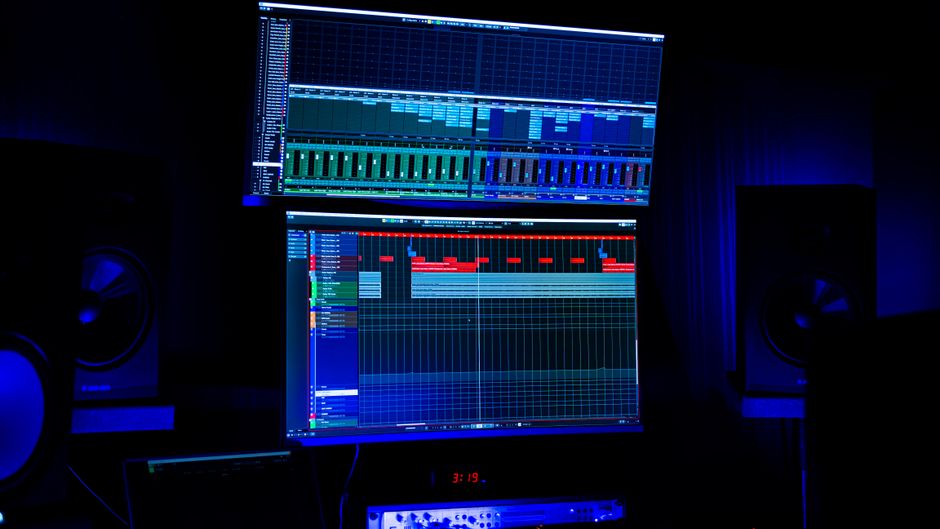
Origins and Architecture of Nuendo: Post-Production Foundations
Nuendo, Steinberg’s digital audio workstation (DAW), has been a cornerstone in the audio post-production and music production industries. Since its inception, it has redefined workflows in film, television, video games, and immersive audio. Its trajectory mirrors the evolution of audio technology and the changing demands of global professionals, including those in vibrant creative scenes worldwide.
The initial launch of Nuendo in the early 2000s marked a milestone. Steinberg, already established with Cubase, identified the need for a more robust and scalable system for post-production. Version 1.0, introduced in 2000, featured a modular architecture and a 32-bit floating-point audio engine, advanced capabilities for its time. This allowed for unprecedented flexibility in managing complex projects, from dialogue editing to multichannel mixing. In its early days, this platform distinguished itself with its ability to natively integrate video, a crucial feature for synchronization and sound design in audiovisual productions. Sound engineers and producers quickly recognized its potential for handling large track counts and extensive automation, cementing its reputation as a cutting-edge solution.
Technological Evolution: From VST3 to Networked Audio and Project Management
Over the years, Nuendo has undergone constant transformation. Version 3, released in 2005, incorporated the VST3 automation system and support for networked audio, facilitating collaboration in distributed studios. Subsequently, Nuendo 4 (2007) integrated the MediaBay project management system, improving file organization and workflow efficiency. A significant advancement arrived with Nuendo 5 (2009), which introduced advanced dialogue editing features, such as RoomWorks SE for space simulation, and mixing tools for surround sound. Version 6 (2013) solidified its position in post-production with the addition of ADR Taker for dialogue recording and integration with hardware mixing systems. Support for spatial audio began to gain more prominence in later versions. Nuendo 8 (2017) pioneered the implementation of Dolby Atmos immersive mixing technology, becoming one of the first DAWs to offer such deep native integration. This development was vital for creating content for streaming platforms and cinema, where three-dimensional audio is increasingly relevant.
Today, Nuendo remains at the forefront, adapting to the latest innovations. Version 12 (2022) and the current version 13 (2023) have continued to expand its capabilities for immersive audio production, including support for MPEG-H Audio and advanced sound design tools for video games. Integration with virtual and augmented reality systems has become a priority. Furthermore, compatibility with artificial intelligence plugins for tasks such as dialogue cleanup, audio restoration, or generative sound effect creation significantly optimizes production times. Professionals globally utilize Nuendo for projects ranging from mixing films for international festivals to creating soundtracks for AAA video games. Its robustness in handling audio formats like Ambisonics and Dolby Atmos positions it as a primary choice for studios aiming to produce high-quality, immersive sound experiences. Steinberg’s official platform offers detailed documentation and tutorials for maximizing these functionalities, as seen in its support section on Steinberg.net.
Innovation in Immersive Audio: Dolby Atmos and Spatial Production
The evolution of Nuendo is a testament to its dedication to innovation in professional audio. From its beginnings as an advanced DAW for post-production to its current role as a leading platform for immersive audio and sound design, it has demonstrated a consistent ability to anticipate and meet the industry’s needs. Its history is not just that of software, but of a tool that has shaped and continues to shape how sound is created, processed, and experienced across multiple media, ensuring its relevance in the future of audio production.
Related Posts

AMS Innovations: Shaping Digital Audio Processing in the Music Industry
AMS's legacy in digital audio processing and its enduring influence on modern music production.
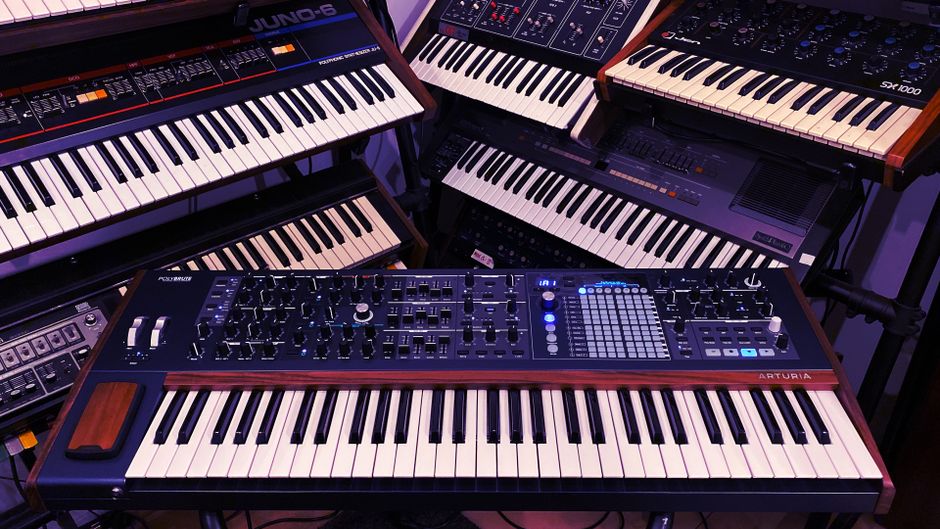
Sequential Circuits: Analog Innovation and Legacy in Electronic Music Synthesis
Explore the evolution of Sequential Circuits, from the Prophet-5 to MIDI, and its lasting impact on modern sound production.

Temporal Audio Modulation: Historical Evolution and Technical Application of Chorus and Flanger
Trace the evolution of chorus and flanger, from analog techniques to digital algorithms, and their impact on music production.

Generative Sound Design: Algorithmic Principles for Dynamic Audio Landscapes
Research into creating audio via algorithms and autonomous systems, exploring applications in immersive and interactive experiences.