Recording Biomimetic Instruments: Capturing Organic and Digital Soundscapes
Exploring advanced techniques for capturing the sonic complexity of biomimetic instruments and their integration into immersive audio.
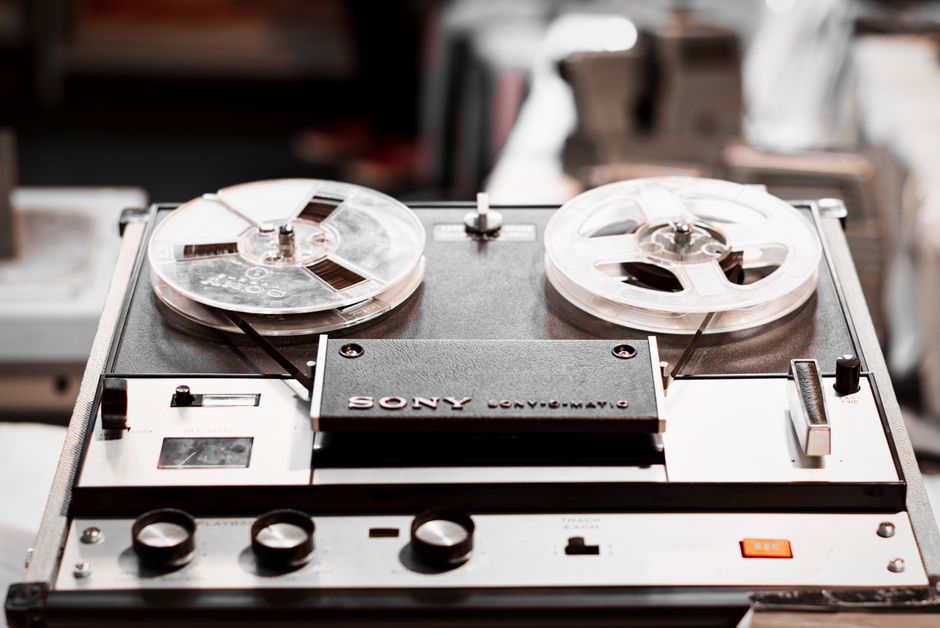
Biomimetic Instruments: Design and Acoustic Principles
The convergence of biology, engineering, and sound art is redefining the boundaries of musical creation. Biomimetic instruments, designed to emulate natural processes and structures, represent an innovative frontier in production. These devices, which often integrate organic elements or biological principles into their operation, offer unprecedented timbres and textures, challenging conventional recording methodologies. Their emergence necessitates a re-evaluation of capture and processing techniques, compelling audio engineers to consider sophisticated approaches tailored to their unique nature. The harmonic richness and dynamic unpredictability of these instruments demand a deep understanding of their behavior for effective capture.
Biomimetic instruments draw inspiration from nature to generate or modify sound. This can manifest in interfaces that react to biological stimuli (such as skin conductivity or neural patterns), synthesis systems that replicate organism growth, or the use of bio-derived materials with distinct acoustic properties. The singularity of their sound sources, often variable and non-linear, raises fundamental questions about how to preserve their essence in a recording environment. The integration of artificial intelligence (AI) in the pre-recording process allows for the modeling and prediction of timbre variations, optimizing the choice of microphone placement or transducer type. The manipulation of bioelectrical data, converted into MIDI or CV control signals, opens pathways for orchestrating real-time processing parameters, adding a layer of dynamic expressiveness to the recording.
Sound Capture: Sensors and Advanced Microphoning Techniques
Recording these instruments requires an approach that goes beyond traditional microphoning. High-precision sensors, such as piezoelectric or contact transducers, are crucial for capturing subtle vibrations or ultrasonic frequencies that an air microphone might not adequately register. Some avant-garde studios implement ambisonic or spherical microphoning systems directly at the source, facilitating subsequent spatial immersion of the sound. Once captured, biomimetic sounds require specialized treatment in post-production. Multiband compression and dynamic equalization become essential for shaping their broad and often erratic frequency ranges without sacrificing their organic character. Granular or convolution synthesis techniques can be employed to expand textures or place sounds within virtual acoustic spaces that reinforce their natural origin.
Immersive production formats, such as Dolby Atmos or spatial audio, present an ideal canvas for these instruments. By assigning them three-dimensional positions and trajectories that simulate natural movements, an enveloping auditory experience is generated, enhancing their biomimicry. Companies like Immersive Audio Alliance and platforms like Spotify are driving the adoption of these formats, making spatial sound design a paramount consideration from the recording phase. The primary difficulty in recording biomimetic instruments lies in their intrinsically mutable nature and the need to translate their complexity into a digital format without losing their vitality. Calibrating capture systems to respond to the specificities of each instrument is a constant challenge.
Processing and Post-production of Organic Sounds
The creative potential is immense. The development of direct neural interfaces for music creation, or the evolution of intelligent materials that generate sound autonomously, suggest a future where the line between creator and instrument blurs further. The ability to integrate these elements into complex sonic narratives, from film soundtracks to interactive installations, positions biomimetic recording as a field with exponential growth. The recording of biomimetic instruments represents a significant evolution in music production. It demands a combination of artistic sensitivity and technical expertise to capture and shape soundscapes that transcend the conventional. As advanced technologies and artificial intelligence continue to develop, the field of sonic biomimicry promises to redefine our interaction with sound, opening new avenues for creative expression and auditory immersion. Constant adaptation to these innovations is key for those seeking to lead the vanguard of audio production.
Related Posts

Sonorous Biofeedback: Physiological Mapping for Adaptive and Personalized Audio Design
Exploring biometric data integration with audio processing for immersive soundscapes responsive to listener states.
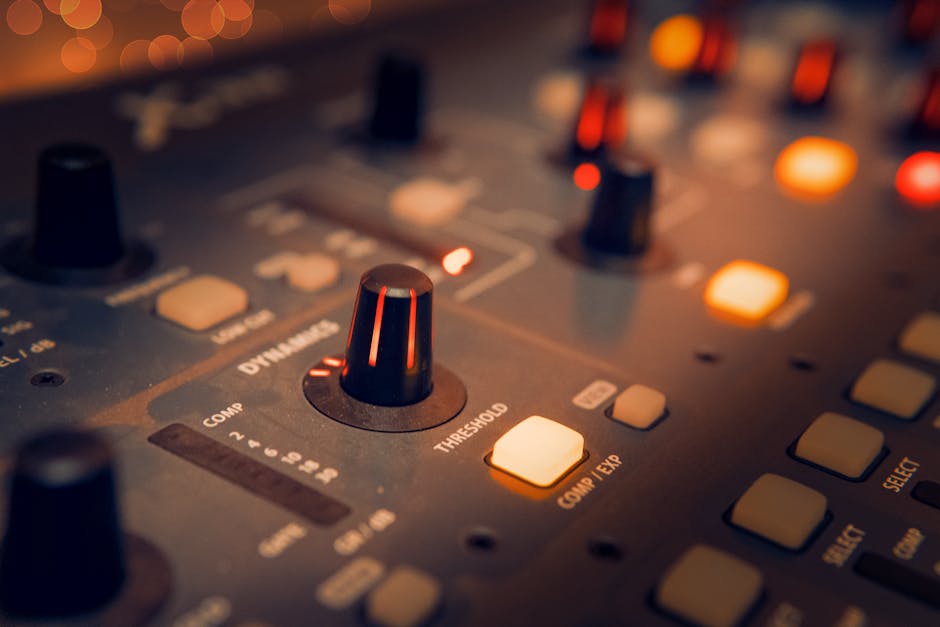
Abbey Road Studios: Sonic Innovation and The Beatles' Recording Techniques
A technical analysis of Abbey Road Studios' recording techniques and equipment that defined The Beatles' sound and music production.
Abbey Road Studios: Technological Evolution in Recording and Music Production
An analysis of the trajectory of Abbey Road Studios, pioneers in recording and music production technology since 1931.

Adapting Mastering for Digital Platforms: Loudness, Spatial Audio, and Codecs
Navigating mastering evolution: LUFS, Dolby Atmos, codecs, and AI for optimal sound distribution.