Brain-Computer Interfaces: Neural Mapping to Sound Synthesis and Musical Composition
Exploring the conversion of brain activity into musical parameters and system architectures for neural music creation.
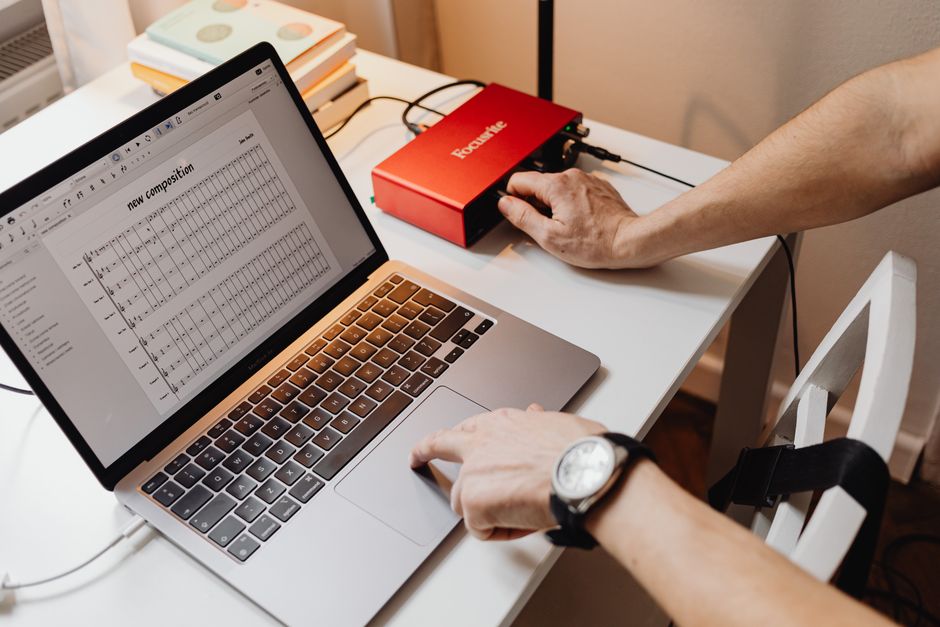
Neural Signal Processing for Musical Parameterization
The landscape of music production is undergoing a profound metamorphosis with the integration of Brain-Computer Interfaces (BCIs). This technological innovation redefines the interaction between the artist and their work, enabling sound generation directly from neural activity. A horizon is emerging where music is not only perceived but emanates from the brain’s cognitive and emotional processes, opening new avenues for artistic expression and applications in fields such as rehabilitation. This advancement represents a turning point in how we conceive of auditory creation and experience, merging neuroscience, sound engineering, and composition. The promise lies in an unprecedented connection between mental intention and sonic manifestation, expanding the traditional boundaries of musical art.
Neural Signal Processing for Musical Parameterization
The conversion of electroencephalographic (EEG) data and other neural signals into actionable information for musical control constitutes a fundamental pillar. This technique involves mapping brainwaves—such as alpha, beta, theta, and delta—to specific musical parameters, including pitch, rhythm, volume, timbre, or the application of effects. An inherent challenge lies in the complexity of brain signals, which necessitates robust algorithms for noise suppression and minimizing latency in real-time processing. For instance, an increase in alpha brain activity could modulate the cutoff frequency of a synthesizer filter, while a change in beta frequency might alter the tempo of a rhythmic sequence. Current research focuses on refining the reliability of these mappings, facilitating a more precise translation of neural intent into musical expression. The progress in the sonification of biological data, studied at various academic institutions, lays the groundwork for these applications.
System Architectures for Neural Composition
System Architectures for Neural Composition
The structuring of systems that couple BCIs with music production environments demands meticulous software and hardware engineering. Modular environments like Max/MSP or Pure Data are employed, alongside Digital Audio Workstations (DAWs) possessing advanced scripting capabilities, such as Ableton Live with Max for Live, to translate neural data into MIDI or OSC messages. Regarding hardware, BCI devices, typically EEG headsets, are linked with standard audio and MIDI interfaces. A critical aspect is the design of an intuitive user interface that allows composers to configure mappings efficiently, without requiring deep neuroscience knowledge. Recent trends show a growing role for artificial intelligence in analyzing brain patterns to generate coherent musical structures or suggest compositional variations, thereby enhancing user creativity. Platforms like Cycling ‘74 Max/MSP (visit https://cycling74.com/) and Ableton Live (see https://www.ableton.com/) offer the necessary tools to build these complex systems.
Sonic Aesthetics and Applications of Neural Music
Sonic Aesthetics and Applications of Neural Music
This production methodology exerts a considerable influence on musical aesthetics, fostering the emergence of genres or styles that would be unattainable through traditional techniques. It enables the creation of adaptive soundscapes that react to the mental state of the listener or composer, forging unprecedented immersive experiences. In the realm of therapy and rehabilitation, music generated directly by brain activity shows significant potential, being applied in contexts such as neuro-rehabilitation or stress management. Furthermore, possibilities arise for collaborative musical interactions among multiple individuals, mediated by their respective brain activities. Innovative projects are already exploring these frontiers, including virtual reality environments where the soundscape adapts to the user’s concentration levels. Advances in spatial audio, such as Dolby Atmos systems (further information at https://professional.dolby.com/music/), allow for the creation of even more immersive sound environments in direct response to neural activity, deepening the experience. Sound on Sound magazine (available at https://www.soundonsound.com/) frequently covers these innovations.
Future Perspectives and Challenges in Neuro-Musical Production
The integration of BCIs into music production, while promising, faces various challenges that the scientific and artistic communities are working to overcome. The standardization of protocols for capturing and processing neural signals is essential to ensure compatibility between different devices and platforms. Moreover, interpreting creative intent from raw brain data requires increasingly sophisticated machine learning algorithms capable of differentiating between random neural activity and deliberate musical commands. Ethics in the use of brain data and user privacy also represent critical considerations requiring a clear regulatory framework. However, the potential to democratize music creation for individuals with physical limitations or for those seeking a completely new form of expression is immense. Collaboration between neuroscientists, audio engineers, and musical artists will determine the pace of these advancements, forging a future where music is a direct extension of thought and emotion, offering unprecedented modes of expression. Continuous research in neurotechnology, such as that published in scientific journals like Nature (see https://www.nature.com/ for general research), continues to contribute to the understanding of these complex interactions.
Related Posts

Sympathetic Resonance Capture and Processing: Acoustic Physics and Advanced Recording Techniques
Delve into sympathetic resonance physics and master mic techniques for immersive audio.

Psychedelic Alchemy: Deconstructing Os Mutantes' Revolutionary Creative Process
Explore the groundbreaking creative stages of Brazilian legends Os Mutantes, from their experimental beginnings to their lasting influence on music production worldwide.
Unleash Raw Power: How Field Recordings Revolutionize Rock Music Production
Discover how field recordings transcend traditional studio limitations, adding raw sonic textures and unique artistic depth to modern rock music productions.

Physical Modeling in Audio Synthesis: Principles, Applications, and the Future with AI
Acoustic emulation and sonic expressiveness: how AI and VR are expanding physical modeling in audio.