Capturing the Sound of Historic Electronic Instruments: Methodologies and Processing in Modern Production
Technical analysis of miking, DI, and processing to preserve the sonic essence of vintage synthesizers and Ondes Martenot in contemporary mixes.

Ondes Martenot: Sonic Architecture and Capture Methodologies
Recording historic electronic instruments presents a fascinating field for audio engineers and music producers. From the ethereal resonances of the Ondes Martenot to the robust sound of pioneering analog synthesizers, capturing the essence of these devices demands a meticulous approach. This technical analysis addresses key considerations and contemporary methodologies for preserving and enhancing their sonic character in modern productions, integrating analog with digital innovations.
Ondes Martenot: Sonic Architecture and Capture Methodologies
The Ondes Martenot, a precursor instrument in electronic music, generates its sound through vacuum tube oscillation. Its complexity lies not only in its unique interface (keyboard, ring, intensity) but also in its multiple acoustic diffusers, each with distinct resonant characteristics. For an authentic capture, a miking strategy is required that respects the spatiality and harmonic richness of each diffuser.
We suggest implementing large-diaphragm condenser microphones, such as the Neumann U87 or the AKG C414, positioned at a prudent distance to capture the full sound field of the resonant diffusers (palmier, métallique, etc.). Stereo miking techniques, like A/B or X/Y, can be beneficial for preserving the spatial image. Additionally, a direct input (DI) take from the instrument’s electronic output, if available, offers a clean signal for subsequent processing. This allows for re-amping or the use of tube amplifier simulations to add warmth and texture. The choice of high-quality preamplifiers, with low noise and wide frequency response, is fundamental to maintaining signal integrity and capturing the tonal subtlety of the Ondes Martenot.
Vintage Analog Synthesizers and Electronic Organs: Challenges and Solutions in the Signal Chain
Instruments such as the Moog Minimoog, ARP 2600 (in their original versions or recreations), Hammond B3 organs with their rotating Leslie cabinets, and Rhodes or Wurlitzer electric pianos, possess an unmistakable sonic character but often present challenges in the studio. The inherent noise of old analog circuits, impedance mismatches, and sensitivity to electromagnetic interference are crucial factors to consider.
For analog synthesizers, a high-quality active direct injection (DI) box is indispensable for converting the high-impedance signal to low impedance, minimizing noise and preserving dynamics. Brands like Radial or Countryman offer robust and transparent solutions. The DI signal can be fed into a preamplifier with input transformers (e.g., Neve 1073 or Universal Audio 610) to impart a desired harmonic coloration. In the case of organs with Leslie rotating speakers, stereo miking with dynamic microphones (like the Shure SM57 for the upper rotors and a large-diaphragm microphone for the lower rotor) is a standard technique that captures the complexity of their movement.
The integration of these sounds into a current production environment benefits greatly from modern technology. Hardware emulation plugins, such as those from Universal Audio or Arturia, precisely replicate the characteristics of these instruments, offering a viable alternative when original hardware is unavailable or for sonic layering. Furthermore, the use of re-amping allows for experimentation with different modern amplifiers and cabinets, providing new textures without altering the original take, which is a growing trend in sonic experimentation.
Processing and Mixing: Integrating the Historic into Contemporary Productions
Once captured, these instruments require careful processing to coexist in a modern mix without losing their identity. Equalization must be precise to clean up unwanted frequencies (background noise, hum) and enhance presence, without suppressing the vintage character. High-pass and low-pass filters are primary tools for defining their frequency space.
Compression, applied subtly, can help control dynamics and integrate the instrument into the mix’s context. Optical-style compressors (like the Teletronix LA-2A) or tube compressors can add warmth and a musical “glue” that cohesifies the sound. Regarding spatiality, plate or spring reverbs, emulating period effects, can generate an authentic atmosphere. Plugins like Valhalla VintageVerb or UAD EMT 140 Plate Reverb are excellent options that respect the original sonic aesthetic.
Current trends in music production, such as immersive audio (e.g., in Dolby Atmos formats), offer new dimensions for these historic sounds. The ability to position an Ondes Martenot or an analog synthesizer in a three-dimensional space can add unprecedented depth and an auditory experience. AI-assisted audio restoration, with tools like iZotope RX, is crucial for cleaning up archival recordings or noisy takes of vintage instruments, removing artifacts without compromising original fidelity. This allows producers to integrate historic sounds into contemporary projects with superior technical quality, connecting the past with the future of audio engineering.
The recording and processing of historic electronic instruments represent a fascinating field that merges an appreciation for analog technology with the capabilities of modern digital production. A deep understanding of each instrument’s peculiarities, coupled with the application of advanced capture and processing techniques, enables the creation of sonic works that respect their legacy while projecting into the future of music. Continuous innovation in software and hardware tools provides engineers and producers with increasingly sophisticated resources for this task, ensuring that the soul of these instruments endures in today’s musical landscape.
Related Posts

Granular Synthesis: Sound Microstructure and Advanced Timbral Design
Analysis of corpuscular synthesis: deconstructing and manipulating sound grains for innovative textures.
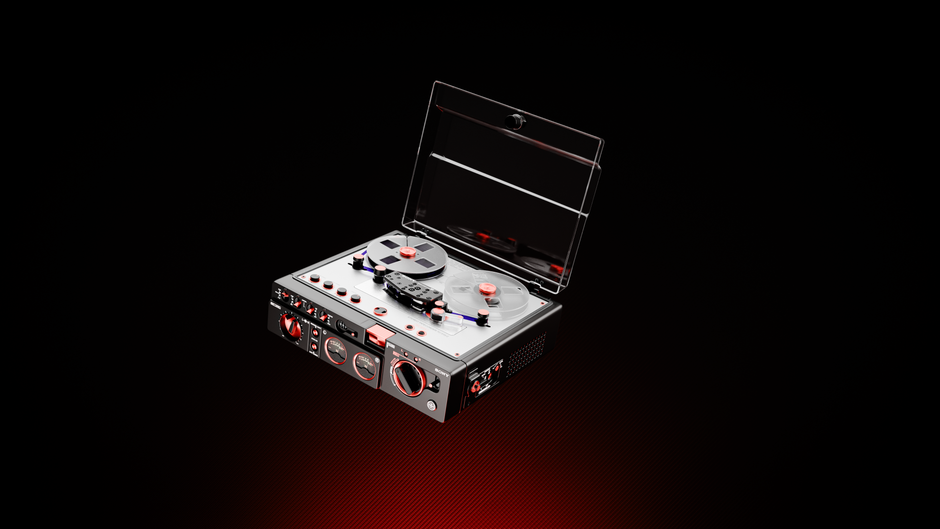
Wow and Flutter: Mechanical Phenomena, Quantification, and Relevance in Modern Audio Production
Exploring analog audio speed fluctuations, their measurement, sonic impact, and creative application in digital environments.

Live Sound Engineering: Capture, Processing, and Monitoring for High Fidelity
A technical exploration of live music reproduction, from miking techniques to venue acoustics, for an optimal sound experience.

Mastering the Stage: Lessons from Fresno's Electrifying Live Shows
Uncover the secrets behind Fresno's captivating live performances and gain actionable insights for Latin American musicians.