Recording and Processing Electronic Gesture Instruments: Methodologies and Sonic Applications
Optimizing the capture and mixing of theremins and gesture controllers for high-fidelity productions and unique expression.
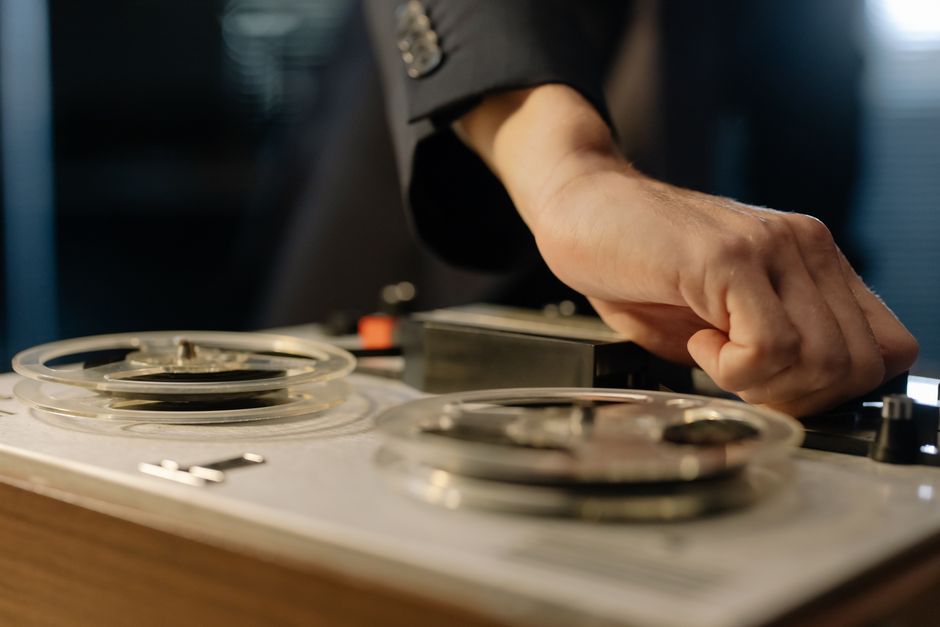
Capturing Theremin Sound: Techniques and Acoustic Considerations
Gesture interaction with sound has captivated musicians and listeners for decades, from early theremin experiments to today’s sophisticated electronic interfaces. These instruments, which translate body movement into sonic expression, present unique challenges and opportunities in music production. Proper capture and processing are fundamental to preserving their ethereal character and rich modulation. This article delves into methodologies for recording and refining the sound of these devices, ensuring their uniqueness is fully realized in any production.
The theremin, a pioneer of gestural electronic music, generates sound through electromagnetic interaction with the performer’s hands. Its analog nature and subtle radio frequency field variations necessitate a meticulous approach during recording. For its capture, using large-diaphragm condenser microphones, such as the Neumann TLM 103 or AKG C414, positioned 30 to 60 centimeters from the theremin’s speaker is recommended. The choice of preamplifier is crucial; a low-noise, high-fidelity preamplifier, like those from Universal Audio or SSL, will help maintain signal purity.
Room acoustics are vital. Spaces with controlled reverberation are preferable to avoid unwanted resonances that could mask the instrument’s delicate microtonalities. Monitoring with flat-response studio headphones, such as the Sennheiser HD 600, allows for the identification of electrical noise or interference that might affect the take.
Stereo recording, using two microphones in an X/Y or A/B configuration, can enrich the sound’s spatial perception, especially if the theremin is processed with effects that broaden its stereo image. Capturing a parallel DI (Direct Input) signal is a valuable strategy, providing a clean track for re-amping or further processing during mixing. For instance, Moog Etherwave theremins offer a line output that can connect directly to an audio interface, complementing the miked signal.
Processing MIDI and CV Gesture Instruments: Dual Workflows
Beyond the theremin, the landscape of electronic gesture instruments has expanded considerably, including devices like the Haken Continuum Fingerboard, the Eigenharp, or motion-sensor-based MIDI controllers. These instruments typically generate MIDI, CV (Control Voltage), or direct audio signals, requiring distinct recording approaches.
When an instrument outputs MIDI, it’s advisable to record both the MIDI data and the audio signal generated by its internal sound engine or an external synthesizer it’s connected to. MIDI recording offers the flexibility to modify notes, timing, and expression post-performance, allowing for fine adjustments without losing the spontaneity of the original gesture. Tools like Ableton Live or Logic Pro X facilitate this dual capture, efficiently integrating the MIDI and audio workflow.
For instruments employing CV, such as many modular synthesizers, integration with audio interfaces supporting CV inputs and outputs is fundamental. Devices like those from Expert Sleepers enable CV-to-MIDI conversion and vice versa, or direct manipulation of modular synthesizer parameters from a DAW. This hardware-software synergy amplifies creative possibilities.
The audio signal capture from these instruments should prioritize transparency. Utilizing high-quality AD/DA converters, such as those from RME or Antelope Audio, is essential to preserve dynamic range and timbral fidelity. For instruments with stereo outputs, like some synthesizers with built-in effects, stereo recording is imperative to maintain the sound image intended by the instrument’s designer.
Recently, the integration of artificial intelligence in gesture analysis has opened new avenues. Plugins developed by emerging sound design companies, which interpret complex movements to modulate synthesis parameters, suggest a future where gestural interaction translates into even more intricate and personalized sonic expressions. This approach enables a more fluid interaction between the musician’s body and the sonic machinery.
Once tracks are recorded, processing and mixing demand an approach that respects and enhances the expressive nature of these instruments. Equalization should be surgical, removing resonant or problematic frequencies without stripping the sound of its harmonic character. For example, a slight cut in the 200-300 Hz range can clean up ‘mud’ in theremins, while a subtle boost in the high frequencies (4-8 kHz) can add brightness and presence.
Compression requires delicacy. A multiband compressor like FabFilter Pro-MB or a smooth-acting optical compressor, LA-2A type (emulated or hardware), can manage extreme dynamic variations without crushing expressiveness. The goal is to control peaks and valleys without sacrificing the sense of ‘life’ that the performer’s gesture infuses into the sound.
Time-based and modulation effects are powerful allies. Convolution reverb (e.g., Altiverb) can place the instrument in realistic or imaginary acoustic spaces, while rhythmic delay adds complexity and movement. Chorus, flanger, or phaser, applied with moderation, can enrich the sonic texture, especially in sustained passages. Automating these effects in real-time, following the performance’s dynamics, enhances the connection between gesture and sound.
In the context of current trends, immersive mixing (like Dolby Atmos) offers an expanded canvas for these instruments. Their spatial nature and ability to move freely within a three-dimensional sound environment make them ideal candidates for exploring new dimensions of expression. Assigning their outputs to object buses in an Atmos environment, allowing for their positioning and movement in space, amplifies the emotional impact and listener experience.
Finally, referencing recordings by artists who have innovatively integrated these instruments, such as Clara Rockmore or Pye Corner Audio, provides inspiration and examples of how to manage their sonics in contemporary productions.
Sonic Optimization: EQ, Compression, and Effects for Gesture Music
Recording and processing theremins and electronic gesture instruments represent an opportunity to transcend traditional musical expression barriers. Through a deep understanding of their sound generation mechanisms and the application of refined capture and mixing techniques, producers can ensure these devices’ unique essence translates into high-fidelity productions. The continuous evolution of technology, from AI interfaces to immersive audio formats, promises an even more vibrant future for gesture music, solidifying its place in the contemporary sonic landscape.
Related Posts

Fundo de Quintal's Sonic Evolution: Acoustic Processing and Recording Technologies
A technical analysis of Fundo de Quintal's sonic evolution, from instrumentation to music production technologies.

Eventide: The Evolution of Digital Audio Processing and its Influence on Modern Music Production
A historical analysis of Eventide, from the H910 Harmonizer to current plugins and pedals, defining sonic creativity.

Ableton Live: Evolution of Digital Music Creation and Performance
Exploring Ableton Live's journey from its live performance origins to its current status as a comprehensive production environment.
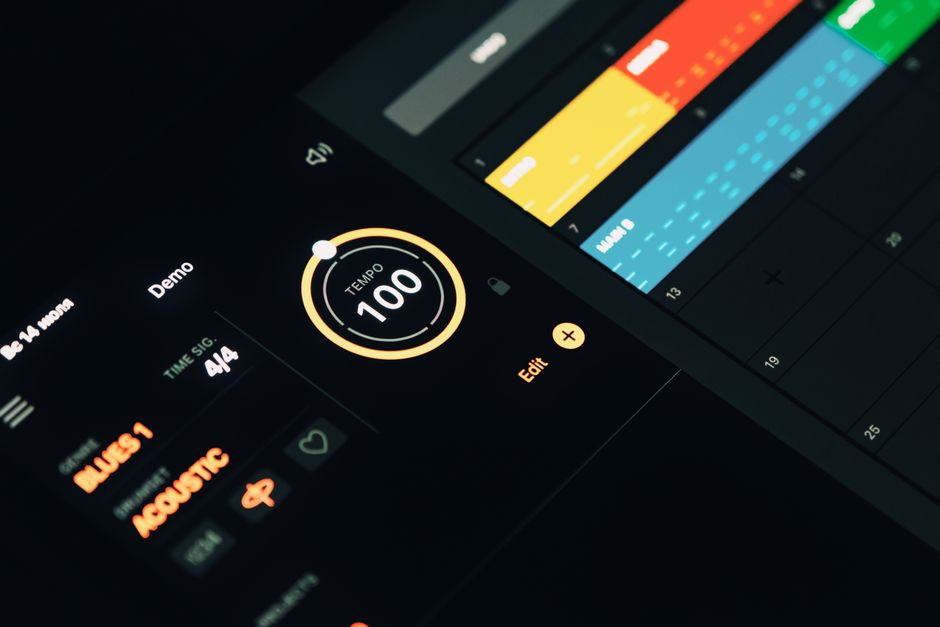
Creative Automation: Parameter Modulation for Artistic Expression in Music Production
Exploring automation in music production, from effect modulation to AI and MPE for sonic expression.