Bitwig Studio: Modular Evolution and Flexibility in Contemporary Music Production
An analysis of Bitwig Studio's development, modular architecture, key innovations, and relevance in modern music production.
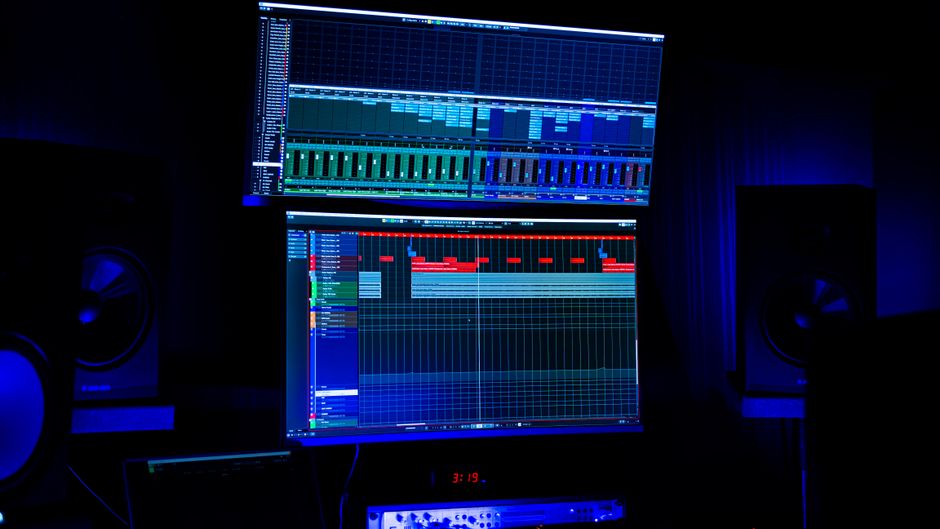
Origins and Design Philosophy of Bitwig Studio
The evolution of Digital Audio Workstations (DAWs) has been a fundamental pillar in the transformation of contemporary music production. In this dynamic landscape, Bitwig Studio emerged as a unique proposition, built on a vision of flexibility and a modular approach that set it apart from its conception. Its trajectory, marked by constant innovation, has established it as a benchmark for producers and sound designers who prioritize experimentation and granular control over every aspect of their sonic creation. This analysis delves into the milestones of its development, from its origins to its current position at the technological forefront.
The genesis of Bitwig Studio dates back to a team of developers with prior experience in the DAW realm, particularly with Ableton Live. This knowledge base enabled the formulation of a platform that not only emulated existing functionalities but also innovated in key areas. Officially launched in 2014 (for more information, see https://www.bitwig.com), Bitwig Studio presented a design philosophy centered on modularity and interoperability. Its open architecture facilitated users manipulating and connecting components in novel ways, from internal devices to external VST plugins. A distinctive feature was its native support for Linux operating systems, a move that significantly expanded its accessibility and positioned it as a versatile tool for a broader audience of technicians and artists. The ability to modulate virtually any parameter, using a unified modulation system, set a new standard for expressiveness in digital music production.
Key Innovations: The Grid, Synthesis, and MPE Support
Throughout its various iterations, Bitwig Studio has implemented a series of innovations that have reinforced its reputation as a cutting-edge DAW. The introduction of ‘The Grid’ in version 3.0 marked a significant milestone, offering a fully integrated modular sound design environment. This visual system allows users to build instruments and effects from scratch, interconnecting modules to generate complex sonic textures and unique processing. Subsequently, the addition of synthesizers like Polymer and Phase-4 amplified its synthesis capabilities, providing robust options for creating modern and experimental sounds. MIDI Polyphonic Expression (MPE) compatibility has been another crucial pillar, enabling unprecedented gestural and expressive control with compatible controllers. This functionality aligns Bitwig with current trends in musical performance and immersive sound design, where detailed interaction with sound is paramount. More recently, the CLAP (CLever Audio Plugin) plugin format initiative, co-developed by Bitwig, aims to establish an open and efficient standard for plugins, enhancing stability and performance within the music production ecosystem (more details at https://clap.audio/). These advancements demonstrate a continuous commitment to technological innovation and improving the user experience.
The impact of Bitwig Studio on the music producer community, especially those inclined towards electronic music and sonic experimentation, has been notable. Its focus on detailed sound manipulation and creative flexibility has made it a preferred choice for artists seeking to go beyond traditional paradigms. The modular nature of The Grid, for example, resonates with the resurgence of interest in hardware modular synthesis, offering a powerful and accessible digital counterpart. In the context of contemporary trends, Bitwig Studio aligns with several key currents. The increasing integration of artificial intelligence tools in music production, while not a native feature of the DAW, is facilitated by Bitwig’s openness to interconnection and scripting, allowing users to incorporate AI-assisted workflows through external solutions. Likewise, its robust modulation system and MPE support position it excellently for creating immersive music and multidimensional sound experiences, an expanding area with formats like Dolby Atmos. Bitwig’s ability to operate in Linux environments also projects it towards a global audience, including regions with diverse technological infrastructures, fostering the democratization of music production. This adaptability and forward-thinking vision solidify its relevance in a constantly metamorphosing industry.
Community Impact and Alignment with Technological Trends
Since its introduction, Bitwig Studio has charted a development path characterized by boldness and anticipation of the creative needs of modern producers. Its commitment to modularity, expressiveness, and technological innovation, manifested through features like The Grid, MPE support, and the CLAP initiative, firmly establishes it as an indispensable tool in any audio professional’s arsenal. The platform has not only evolved to meet current demands but also paves the way for future sonic explorations, offering a fertile environment for limitless creativity in the digital age.
Related Posts

Zezé Di Camargo & Luciano: Charting Brazil's Sertanejo Soul Through Their Essential Albums
Explore the enduring legacy of Zezé Di Camargo & Luciano, charting their essential albums and impact on Brazilian and Latin American music.

Electrical Impedance in Audio: Fundamental Principles for Signal Integrity
Understand electrical impedance and its impact on sound fidelity. Optimize signal transfer in professional audio systems.

The Compact Disc: Genesis, Standards, and Legacy in Digital Audio Evolution
Analyzes the CD's significance, the Philips-Sony collaboration, the Red Book standard, and its lasting impact on music production and consumption.

The Rioplatense Pulse: Unveiling Local Flavors in Pappo's Blues Legacy
Explore how the unique Rioplatense cultural landscape profoundly shaped Pappo's Blues, influencing its distinctive sound and enduring legacy in Argentine rock.