Adaptive Machine Learning Mastering: Precision and Consistency in Modern Sound Production
Innovations in pro audio: ML optimizes EQ and dynamics, freeing engineers for artistic nuance.
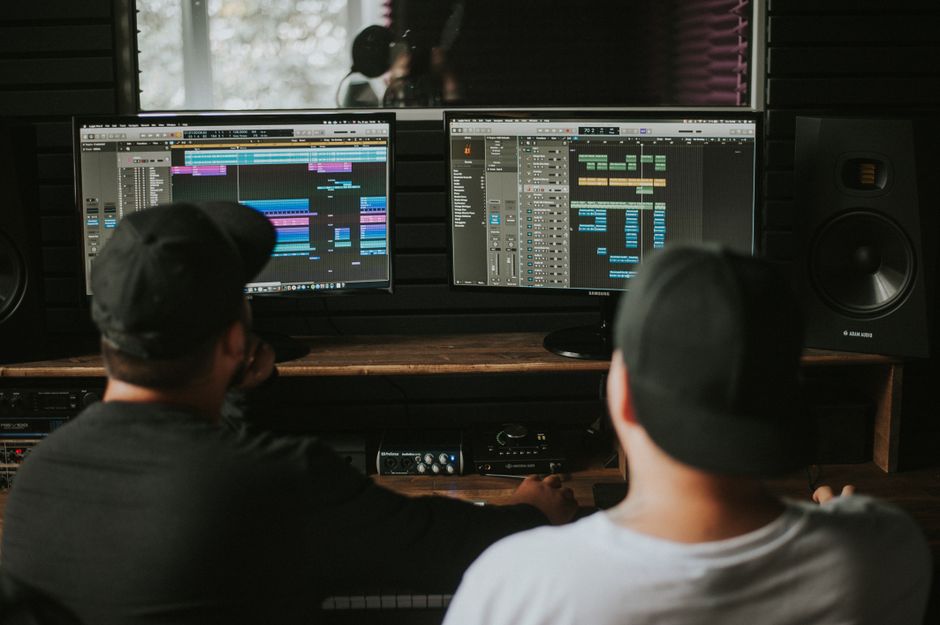
Foundations of Machine Learning in Audio Mastering
The professional audio sector is undergoing a significant transformation, driven by the integration of machine learning (ML) technologies into the mastering process. This evolution introduces a paradigm where algorithms analyze, process, and optimize sound material with unprecedented precision and adaptability. Adaptive mastering using ML represents a crucial advancement for achieving sonic consistency and optimal quality across various playback platforms. This approach not only streamlines workflows but also offers sophisticated tools for engineers and producers to achieve polished results while preserving the artistic identity of each production, a vital consideration for the global music scene.
The application of machine learning in audio is based on the ability of systems to learn complex patterns from vast datasets. In mastering, this involves training models with thousands of professionally mastered tracks, enabling them to understand the relationships between spectral structure, dynamics, loudness, and auditory perception. Neural networks, in particular, play a central role, as they can model non-linear behaviors and predict optimal adjustments based on real-time analysis of the source material. These algorithmic architectures evaluate characteristics such as tonal balance, stereo width, dynamic density, and phase coherence, suggesting or automatically applying necessary corrections. The goal is to generate an output that sounds balanced and impactful on any playback system, from headphones to large sound systems, with the particularity of being adjustable to specific streaming platform standards.
AI-Assisted Spectral and Dynamic Processing
One of the areas where machine learning demonstrates the greatest impact is in equalization processing and dynamic management. ML algorithms can perform detailed spectral analysis of a mix, identifying problematic resonances, frequency deficiencies, or tonal imbalances that a human ear might overlook or take longer to pinpoint. They then apply corrective or enhancing equalization intelligently, often by comparing the material to reference profiles of specific musical genres or user-provided reference tracks. Regarding dynamics, these systems manage compressors, limiters, and expanders with considerable precision. For example, an AI-powered mastering assistant can automatically calibrate thresholds, ratios, and attack/release times to achieve optimal density and loudness without introducing audible artifacts. Tools like iZotope Ozone’s Master Assistant, available in its plugin suite, or solutions offered by LANDR incorporate these capabilities, allowing producers to obtain a solid starting point or even a final master with minimal intervention. Volume adaptation for streaming platform regulations, such as the LUFS standardization employed by Spotify, represents another crucial facet of this technology, ensuring tracks sound consistent across the global digital ecosystem.
The integration of machine learning is not intended to replace the mastering engineer but to enhance their creativity and efficiency. These systems function as advanced assistants that handle the more repetitive or technically complex tasks, freeing up the professional to concentrate on artistic nuances and critical decisions. Personalization is a fundamental pillar; by analyzing user-selected reference tracks, the algorithm can adjust its parameters to emulate a particular sound or specific aesthetic. This facilitates rapid iteration of versions and experimentation with different sonic approaches, which is invaluable in today’s tight production deadlines. Furthermore, the ability to process large volumes of audio uniformly is particularly useful for projects with multiple songs or entire albums, where inter-track coherence is paramount. This technology is increasingly integrated into remote and collaborative production environments, allowing geographically distributed teams to share and review mastered versions more agilely. The continuous evolution of these predictive models promises an era where the technical quality of recordings is more accessible and uniform, without compromising the artist’s vision.
Workflow Optimization and Collaboration with ML
The advent of adaptive machine learning mastering techniques marks an exciting stage in the evolution of music production. These tools not only provide superior analytical precision and exceptional dynamic processing capabilities but also redefine the role of the mastering engineer, transforming them into a sonic curator and strategist rather than just an equipment operator. While human intervention remains indispensable for artistic decisions and final validation, ML offers robust support for achieving previously unimaginable levels of quality and consistency. As this technology continues to develop, its impact on the accessibility and standardization of audio quality will become increasingly pronounced, benefiting creators and listeners alike in the global entertainment industry, from Buenos Aires to the rest of the world.
Related Posts

Crest Factor: Dynamics Metrics and Their Relevance in Modern Audio Production
Technical analysis of crest factor, its measurement, and optimization for sound quality in current platforms and immersive formats.

The Evolution of USB Audio Interfaces: From Limitations to Global Music Production
An analysis of the technological development of USB audio interfaces, their impact on democratizing music production, and the future of connectivity.

Neural Style Transfer in Vocal Synthesis: Principles, Applications, and Challenges in Music Production
A technical exploration of neural style transfer for realistic and expressive synthetic voices in audio production.

WaveLab: Modern Audio Editing, Restoration, and Mastering for the Industry
Explore WaveLab's capabilities for precise editing, advanced restoration, and professional mastering, optimizing workflows.