Digital Performer: Evolving MIDI Sequencing to Immersive Audio Production
A technical analysis of Digital Performer's journey, from its MIDI origins to immersive audio and technological adaptation.
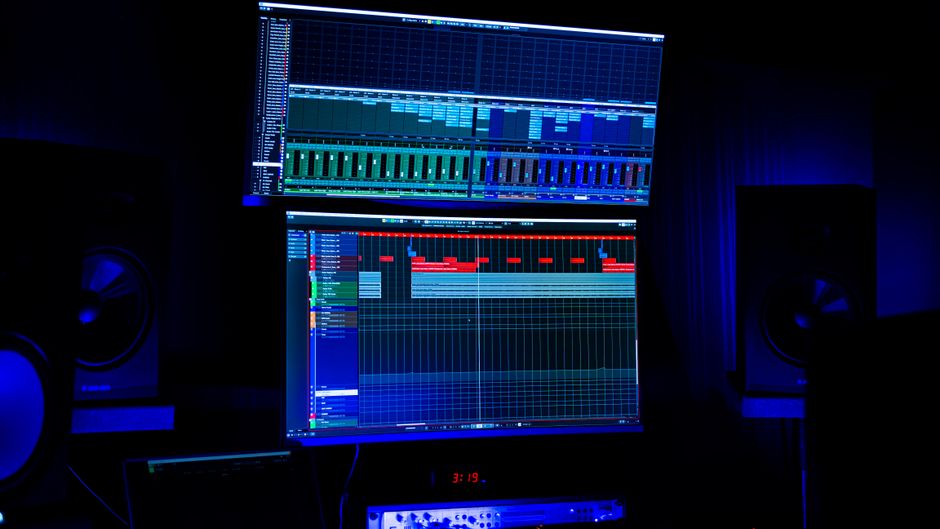
Performer’s Origins: Pioneering MIDI Sequencing
The journey of Digital Performer, a digital audio workstation (DAW) environment developed by MOTU (Mark of the Unicorn), represents a significant chapter in the evolution of music and audiovisual production. From its humble beginnings as a revolutionary MIDI sequencer to its current incarnation as a comprehensive platform for composition, recording, mixing, and post-production, this software has maintained a consistent presence in professional and home studios. Its development has been marked by anticipating user needs and adapting to changing technologies, forging a robust and flexible tool appreciated by composers, producers, and audio engineers worldwide.
The genesis of this influential DAW dates back to 1984, with the release of “Performer” for the Macintosh 128K. In an era where the MIDI interface was just beginning to be standardized, Performer distinguished itself with its advanced MIDI sequencing capabilities. It offered innovative features such as graphical note editing, real-time quantization, and precise MIDI event manipulation, characteristics that laid the groundwork for computer-assisted music creation. At the time, the ability to synchronize multiple synthesizers and drum machines from a single graphical interface was cutting-edge, allowing musicians and composers to structure complex works with previously unattainable efficiency. This initial period cemented MOTU’s reputation as a pioneer in music software, particularly within the Apple ecosystem, a connection that would endure for decades.
Digital Performer: Audio Integration and Key Functionalities
The true metamorphosis of Performer into Digital Performer (DP) occurred in the mid-1990s with the integration of digital audio capabilities. This transition was crucial, as it allowed users to record, edit, and process audio directly within the same environment where they already managed their MIDI sequences. Early versions like Digital Performer 2.0 (released in 1996) enabled high-fidelity multitrack audio recording, non-destructive editing, and real-time effects processing, transforming the program into a complete solution for recording studios. With each iteration, MOTU added differentiating functionalities, such as “Chunks” (song segments that facilitate organization and experimentation with different arrangements) and “Take Folders” (efficient management of multiple takes), features that are now cornerstones of its workflow. This stage solidified DP as a strong alternative to other workstations in the professional realm, especially in audio post-production for film and television, where its precision and stability are highly valued.
In the 21st century, Digital Performer’s development has focused on optimizing performance, compatibility with modern standards, and integrating new technological trends. The adoption of 64-bit architectures, support for VST and AU plugins, and the implementation of plugin delay compensation (PDC) significantly improved its efficiency and processing power. One of its most recent and notable adaptations is support for immersive audio formats, such as Dolby Atmos. This feature allows producers and mixers to create three-dimensional sound experiences directly within DP, a crucial advancement in contemporary music and audiovisual production that responds to the growing demand for spatial audio consumption formats. Furthermore, the software has enhanced its remote collaboration tools, making it easier for production teams to work together regardless of their geographical location, a need amplified by current industry dynamics.
Modern Evolution: Immersive Audio and Performance Optimization
Digital Performer’s evolution also demonstrates its ability to integrate and adapt to emerging innovations in the audio field. While it doesn’t directly incorporate native artificial intelligence (AI) algorithms like some newer plugins, its compatibility with the latest third-party tools allows users to leverage advancements such as AI-based audio restoration or assisted mastering. For instance, integration with advanced spectral analysis plugins or granular synthesis tools expands creative possibilities, keeping DP relevant in a constantly changing technological landscape. The user community, which includes numerous renowned film score composers and artists, has also contributed feedback that shapes each new version, ensuring the software remains a pertinent and powerful tool.
In conclusion, the story of Digital Performer is a testament to continuous development and adaptation. From its pioneering role in MIDI sequencing to its current position as a full-featured DAW supporting immersive audio and compatibility with the latest innovations, MOTU has successfully kept its software at the forefront. Its focus on stability, precision, and a robust feature set positions it as a reliable choice for professionals seeking a high-performance, durable audio production platform. Its legacy and constant evolution ensure its place as a fundamental piece in the infrastructure of recording and post-production studios worldwide, including those in Buenos Aires and other Latin American capitals.
Related Posts

The Evolution of the Delay Effect: From Natural Echoes to Advanced Digital Processing
We explore the trajectory of the delay effect, from its acoustic origins to today's complex digital tools in music production.

Acoustic Capture and Processing of Ethnic Instruments: Preserving Authenticity in Modern Productions
Ensure the sonic fidelity of cultural instruments in contemporary productions using appropriate miking and processing techniques.

Automated Harmonic Analysis: Algorithms and Applications in Contemporary Music Production
Discover how AI and machine learning optimize chord progression identification and creative exploration.

Digital Modular Synthesis: Algorithmic Evolution and Pioneering Architectures in Sound Creation
A historical journey through digital modular synthesizers, from academic origins to contemporary music production influence.