Mbira and Kalimba Sound Capture: Mic Techniques and Digital Processing
Optimizing mbira and kalimba recording: miking techniques, instrument prep, and digital audio processing for pure sound.
Acoustic Characteristics and Preparation of Mbira and Kalimba
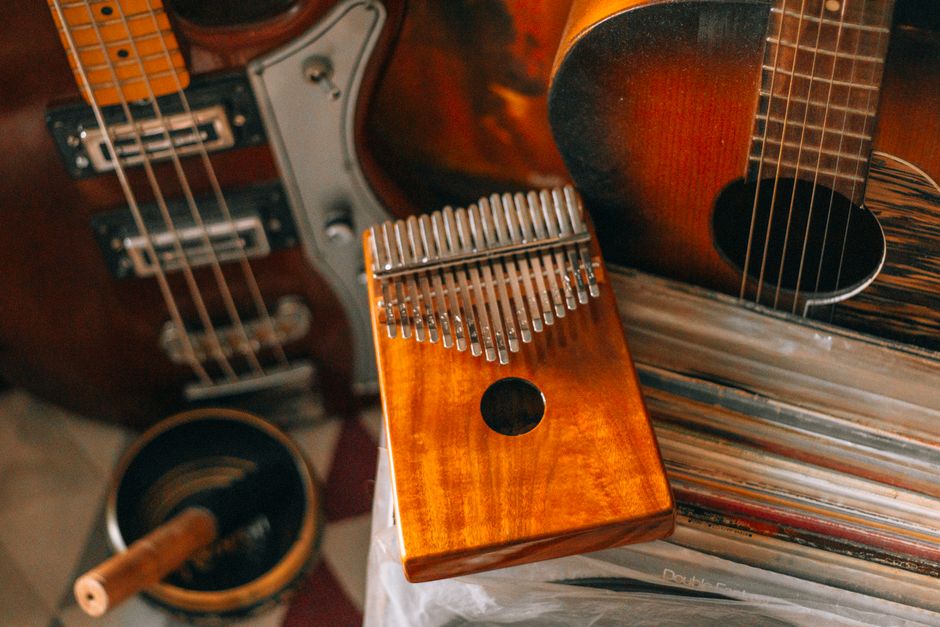
The mbira and kalimba, lamellophone instruments with deep cultural roots in Africa, present a unique sonic challenge in music production. Their timbre, a blend of metallic percussion and harmonic resonance, demands a meticulous approach to capture. Understanding the inherent acoustic characteristics of each instrument is essential; the mbira, with its harmonic complexity and extended sustain, differs from the kalimba, which often possesses a more direct resonance and a sharper attack. Proper instrument preparation is fundamental: precise tuning and the elimination of parasitic noises or unwanted buzzes ensure a clean sonic foundation. This may involve adjusting the tines, checking the integrity of the resonator, or even applying small dampeners if necessary, allowing the instrument’s authentic character to fully manifest.
Appropriate miking constitutes the cornerstone of successful recording. Various strategies can be employed, depending on the desired outcome. Small-diaphragm condenser microphones, positioned 15 to 30 centimeters above the tines, capture articulation and metallic brightness with high fidelity. To apprehend the body resonance of the instrument, especially in mbiras with gourds or soundboxes, a large-diaphragm condenser microphone placed in front of the resonator or even at the rear can add depth and body. A valuable technique involves the use of contact microphones (piezos), which adhere directly to the instrument’s body. These transducers capture internal vibrations, offering a direct and isolated signal, ideal for dense mixes or for creating unusual sonic textures. Combining an overhead microphone with a piezo pickup allows for considerable flexibility during mixing, enabling adjustment of the proportion between direct attack and ambient resonance. In home studios or environments with challenging acoustics, implementing absorptive panels or diffusers in the recording area can mitigate unwanted reflections, thereby optimizing the capture of the instrument’s pure sound. The phase between multiple microphones should always be verified to prevent frequency cancellation.
Miking Strategies for Detailed Sound Capture
Processing within the digital audio chain is crucial for refining and positioning the mbira or kalimba within a mix. A low-noise, high-gain preamplification stage is imperative to preserve the signal’s dynamic range and clarity. Equalization should be selective; a slight cut in the low frequencies (between 80 Hz and 200 Hz) can eliminate any handling noise or room resonance, while a subtle boost in the highs (around 4 kHz to 8 kHz) can accentuate the tine’s brightness. Compression is applied cautiously, using low ratios (1.5:1 to 3:1) and slow attack times to level dynamics without crushing sustain. A multiband compressor can be particularly useful for controlling specific resonances without affecting the rest of the spectrum. Regarding spatial effects, modern convolution reverbs, such as those offered by Valhalla DSP or FabFilter Pro-R, allow the instrument to be placed in realistic acoustic environments, from small wooden rooms to vast cathedrals, or even in synthetic soundscapes. The application of AI-based noise reduction plugins, like those from iZotope RX, can clean up recordings with noise floor issues, a common concern when recording delicate acoustic instruments in non-ideal settings.
The integration of the mbira and kalimba into contemporary productions reveals vast creative potential. These instruments are not limited to world music genres; their sound can enrich electronic compositions, film and video game scores, and even pop or rock productions. Artists in the independent scene in Argentina and Latin America are applying these sounds to infuse organic textures and evocative atmospheres into their work. Online collaborative production, facilitated by platforms like Splice or BandLab, enables musicians from different geographies to incorporate these timbres into shared projects. Furthermore, advancements in virtual instrument technology have generated high-quality kalimba and mbira emulations, which, while not replacing the authenticity of physical instruments, serve as complementary tools for composition and sound design. The trend towards immersive music and spatial audio (such as Dolby Atmos) offers new avenues for experimentation, allowing the delicate resonances of the mbira to be positioned in a three-dimensional space, generating an enveloping auditory experience. Experimentation with rhythmic delays and modulation effects can transform the perception of these instruments, granting them a leading role in innovative soundscapes.
Digital Processing: EQ, Compression, and Reverb
In summary, recording and processing the mbira and kalimba demand a combination of respect for their cultural legacy and astute application of modern production tools. From meticulous instrument preparation and strategic microphone choice, to refinement with digital processing and integration into immersive formats, each stage contributes to the full manifestation of their sonic beauty. The fusion of tradition and technology enhances the capacity of these lamellophones to captivate global audiences and enrich the contemporary musical landscape.
Related Posts

The Sonic Craft of La Renga: Studio Secrets Behind Their Unmistakable Sound
Explore how La Renga captures their raw, powerful live energy in studio recordings, offering insights for Latin American rock producers.

PreSonus Studio One's Evolution: Tech Innovations and Modern Music Production Impact
A technical analysis of Studio One's journey, design milestones, and key features defining current workflows.

Spatial Audio in Virtual Reality: Techniques, Tools, and the Evolution of Immersive Music Production
Exploring 3D soundscape generation in VR: spatial audio, ADM, DAWs, and plugins for interactive listening experiences.

Vocal Pitch Manipulation: Advanced Techniques and Processing Tools in Modern Music Production
Exploring the evolution and application of 'vocal pitch riding' in Latin American music, from correction to creative expression.