Sunset Sound Studios: Acoustics, Innovation, and Legacy in Iconic Music Production
An analysis of the sound engineering and acoustic design of Sunset Sound, a catalyst for historic and contemporary musical successes.
Genesis and Acoustic Design of Sunset Sound Studios
At the epicenter of the Los Angeles music industry, where creativity merges with sound engineering, stands a legendary name: Sunset Sound Studios. Since its inception, this venue has been a fundamental pillar in shaping the global soundscape. This article reviews the trajectory of a studio that not only witnessed the evolution of popular music but was also an active catalyst in its transformation. Its history is a compendium of technical innovation, artistic talent, and distinctive acoustics that have left an indelible mark on countless recordings, from classic rock hits to contemporary productions that continue to define genres. Understanding its legacy offers valuable insight into historical recording practices and their resonance in current production methods.
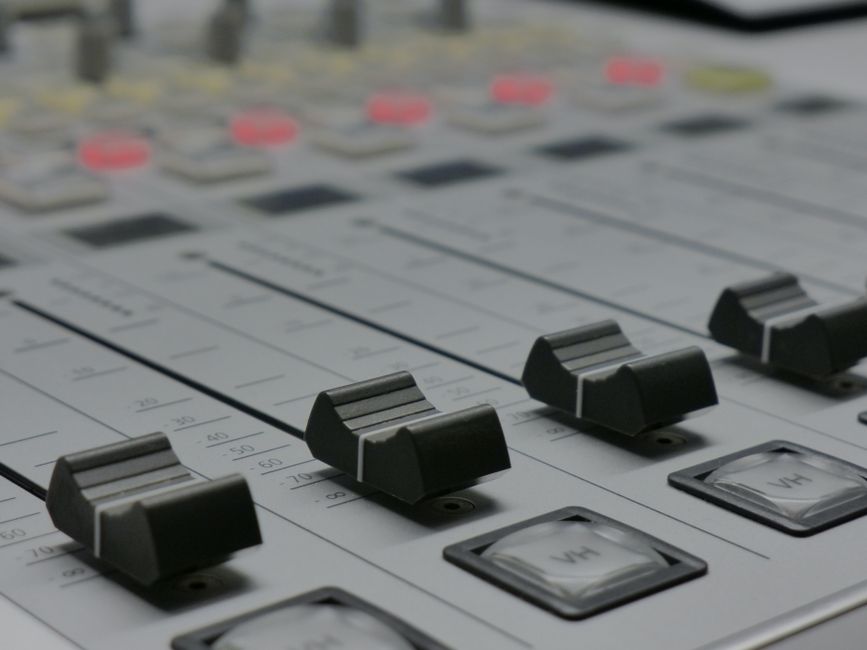
The genesis of Sunset Sound dates back to 1960, when Tutti Camarata, Disney’s musical director, conceived the idea of a state-of-the-art recording studio. His initial purpose was a space dedicated to Disney productions, but his vision quickly transcended the confines of animation. Camarata, an innovator in audio engineering, was key in the acoustic design of the rooms and the construction of custom consoles, distinguishing himself with its unique sonic character. Studio One, his main room, became a benchmark for its natural and controlled reverberation, an invaluable asset for engineers of the era.
Technical Innovation and Adaptation to Emerging Genres
The early years saw Sunset Sound cultivate a stellar reputation. Artists such as The Beach Boys, The Doors, and Janis Joplin flocked to its facilities, attracted by the combination of cutting-edge technology and an environment conducive to experimentation. The studio’s ability to adapt to the demands of emerging genres, like psychedelic rock and folk-rock, cemented its position. Multitrack recording techniques, still in their early stages, were perfected here, allowing producers unprecedented flexibility to mix and arrange complex instrumental and vocal layers. This initial period set the standard for technical and artistic excellence that would characterize the studio for decades.
During the 1970s and 1980s, Sunset Sound reached its zenith, becoming the epicenter of iconic recordings. Landmark albums by Led Zeppelin, Van Halen, and Prince were conceived within its walls, each contributing to the studio’s legend. The versatility of its three studios (Studio One, Two, and Three) allowed for a wide range of genres and production styles to be addressed. Studio Two, with its more compact configuration, became famous for its intimate atmosphere, ideal for overdubbing and mixing sessions, while Studio Three offered an alternative with its own acoustic personality.
Signal Processing Methodologies and Sonic Emulation
Innovation was not limited to the physical infrastructure. Engineers and producers who frequented Sunset Sound, such as Bruce Swedien and Don Landee, developed mic’ing and mixing methodologies that became influential. For example, the creative use of the studio’s natural echo chambers to add depth to vocals and drums was a distinctive hallmark. The pursuit of a “larger-than-life” sound led to experimentation with chain compression and pre-fader delay effects, techniques that are easily replicated in digital environments today but at the time required analog ingenuity and skill. These methods not only defined the sound of an era but also laid the groundwork for many current production practices. The influence of its custom consoles, with their unique equalizers and preamplifiers, is such that companies like Universal Audio have developed plugins that faithfully emulate their sonic character, allowing producers worldwide to access that classic sound from their DAWs. The range of available emulations can be explored at Universal Audio.
Despite the passage of time and constant technological evolution, Sunset Sound Studios maintains its prestige and relevance in the contemporary music industry. Far from being a mere museum, the studio has adapted to new trends, integrating cutting-edge digital equipment without sacrificing its analog essence. The original consoles, meticulously maintained, coexist with digital audio workstations (DAWs) like Pro Tools and state-of-the-art monitoring systems. This hybrid setup allows artists and producers to benefit from the warmth and character of vintage hardware while leveraging the flexibility and efficiency of modern software.
Hybrid Integration and Contemporary Music Production
One of the most notable trends in current production is immersive music, with formats like Dolby Atmos gaining traction. Sunset Sound has responded to this demand, equipping some of its rooms for spatial mixing, demonstrating its commitment to technological advancement. Argentinian and Latin American producers visiting Los Angeles often seek studios with a distinct history and sonic character, and Sunset Sound features prominently on that list. Its reputation attracts talent looking for a blend of history, expertise, and the ability to experiment with techniques ranging from classic mic’ing to the application of artificial intelligence in signal processing. For instance, recent plugins using machine learning algorithms to emulate the ‘sweet spot’ of analog compressors or equalizers find fertile ground for application in studios that understand the importance of sonic nuance. The studio not only preserves the past but also actively contributes to shaping the future of music production, offering a space where tradition and innovation converge to create distinctive sounds. More information on Dolby Atmos can be found at Dolby Professional.
The trajectory of Sunset Sound Studios is a testament to the enduring pursuit of sonic excellence. From its beginnings as a visionary project by Tutti Camarata to its current position as a global benchmark, the studio has demonstrated an exceptional ability to innovate and adapt. Its influence extends beyond the countless recordings in its credits; it lies in its role as a laboratory of ideas, where production techniques were forged and refined. For today’s musicians and producers, the story of Sunset Sound is not just a nostalgic tale but a source of inspiration and a reminder of the intrinsic value of studio acoustics, quality equipment, and artistic vision. The studio continues to be a beacon of creativity, a place where sonic magic remains a palpable reality, connecting generations of artists through an unwavering legacy.
Related Posts

Microtiming and Rhythmic Layers: Groove Engineering in Modern Music Production
Exploring temporal, dynamic, and textural subtleties that define compelling grooves in today's music productions.

Therapeutic Music Production: Acoustic Principles and Technological Applications for Well-being
Exploring the synergy between acoustics, psychoacoustics, and technology in creating audio for health and relaxation.
Analog-Digital Convergence: Technical Analysis of the Contemporary Soundscape
Explore the features, benefits, and challenges of analog, digital, and hybrid mixing in modern music production.

Spectral Analysis in Audio: Principles, Applications, and Advances in Sound Production
Dissects the frequency anatomy of sound. Understand FFT, spectrograms, and their impact on equalization, dynamics, and sound design.