Digital Vinyl Mastering: Spectral, Dynamic, and Phase Optimization for DVS
Technical analysis of mastering for DVS systems, covering frequency management, dynamic processing, and phase coherence.
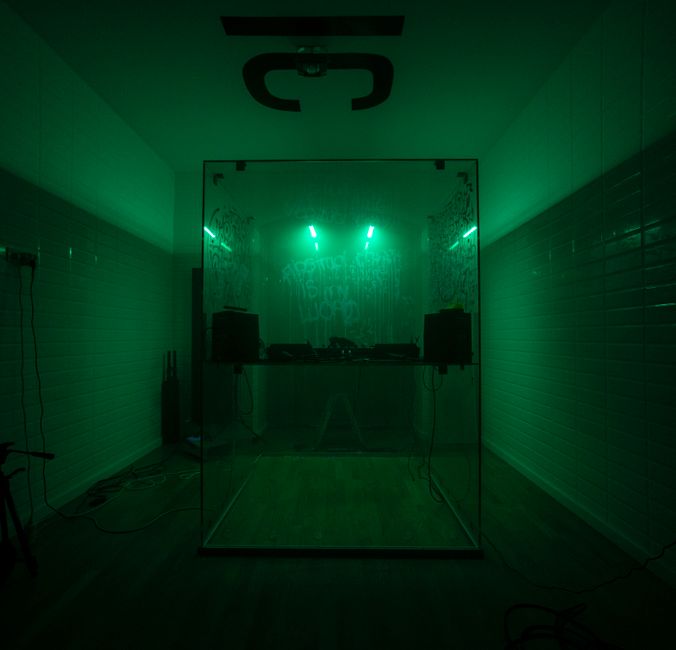
Acoustic and Frequency Considerations in Preparing Audio for DVS
The integration of Digital Vinyl Systems (DVS) into DJing and music production environments has redefined the demands of the mastering process. Although the source is a digital audio file, its playback through a turntable and analog cartridge introduces unique considerations that differ from mastering for purely digital platforms or physical vinyl. This specialized approach aims to preserve sonic integrity, optimize dynamic response, and ensure reliable, robust playback within a system that combines the best of both worlds: the flexibility of digital with the tactile feel of vinyl. A deep understanding of the interactions between DVS software, turntable hardware, and the audio chain is fundamental to achieving an optimal result, avoiding artifacts, and maximizing the listening experience.
The correct preparation of audio material for DVS requires meticulous attention to acoustic characteristics. One of the crucial aspects involves managing the RIAA pre-emphasis curve, which, although applied in the digital domain, simulates vinyl behavior. Low-frequency energy needs careful moderation to prevent amplifier overheating and playback system distortion, a phenomenon particularly relevant in clubs with powerful sound systems. Applying gentle high-pass filters with appropriate slopes is suggested to eliminate unnecessary sub-sonic information below 20 Hz, contributing to groove stability and overall clarity. Similarly, the treble and sibilance regions demand precise control. Excessive energy in these bands can lead to listening fatigue and, in the context of DVS, even introduce perceived surface noise or poor needle tracking, even in an emulation system. The implementation of transparent de-essers or dynamic EQs in specific ranges from 4 kHz to 8 kHz can mitigate these issues without compromising the sound’s brilliance.
Dynamic Processing and Headroom for DJ Environments
Dynamic processing for DVS differs from that applied to mastering for streaming or CD. It is vital to maintain sufficient dynamic range for the music to ‘breathe’ and have impact in a club environment, but without excessive peaks that could saturate the analog-to-digital converter of the DVS interface. A multiband compressor can be an invaluable tool, allowing for detailed dynamics management across different frequency regions. For instance, gentler compression in the mid-highs can preserve the clarity of vocals and lead instruments, while more robust compression in the low frequencies can provide cohesion and punch. The final limiting should be transparent and subtle, targeting a loudness level (LUFS) that allows for adequate headroom. Many engineers opt for integrated LUFS values between -9 and -12 for DVS, providing margin for the DJ to adjust gains and EQ without introducing distortion. This contrasts with the higher loudness levels often used for streaming platforms, where automatic normalization can compensate for a lack of headroom.
Spectral and phase optimization constitute a pillar in mastering for digital vinyl systems. Phase coherence, especially in the low frequencies, is essential for a solid stereo image and to avoid cancellation or energy buildup issues that could destabilize playback. Phase analysis tools, such as stereo correlation meters, allow for the identification and correction of potential problems. A good practice involves mono-compatibility of low frequencies (below 150-200 Hz), achieved with a mono filter or phase EQ. This not only enhances the definition of bass and kick drums but also prevents virtual ‘needle jumps’ in DVS systems like Serato DJ Pro or Native Instruments Traktor. Regarding spectral balance, the goal is a well-rounded sound profile that avoids annoying resonances or significant deficiencies. The use of linear phase EQs can be advantageous for maintaining signal time integrity, especially in musical genres that rely on sharp transients and precise phase response. Constant monitoring with real-time spectrum analyzers assists in identifying problematic peaks or dips.
Spectral and Phase Optimization for Digital Vinyl Systems
Technological evolution introduces new possibilities and challenges in mastering for DVS. Artificial intelligence (AI) tools, such as those found in assisted mastering plugins, can offer interesting starting points, suggesting EQ or compression adjustments based on spectral and dynamic analysis of the material. While these tools do not replace human expertise, they can streamline certain stages of the process. Accurate monitoring is more critical than ever; the use of advanced loudness meters that comply with standards like EBU R128 or ITU-R BS.1770 allows for an objective assessment of perceived loudness and helps maintain consistency between tracks. Furthermore, online collaborative workflows, through platforms that allow for real-time review and feedback, facilitate communication between the mastering engineer and the artist or DJ. These platforms often integrate version management and annotation tools, optimizing the approval process. The adoption of high-quality, low-latency audio interfaces with transparent converters is fundamental for any studio dedicated to this specialization, as conversion fidelity is key to interacting with DVS systems.
Mastering for digital vinyl platforms is a field that demands a specific set of skills and technical considerations. From meticulous management of low frequencies and sibilance to strategic dynamic processing that prioritizes headroom and transparency, every decision influences the final experience for the DJ and their audience. Applying an informed approach, which integrates audio engineering best practices with an understanding of DVS particularities, ensures that the audio material not only sounds exceptional but also plays back flawlessly on any system. Constant observation of technological innovations, from AI-assisted plugins to advanced metering tools, empowers professionals to adapt their methodologies and remain relevant in a constantly transforming musical landscape.
Related Posts

Wow and Flutter: Fundamentals, Measurement, and Relevance in Analog and Digital Sound Reproduction
Breaking down audio speed anomalies: causes, quantification, and their role in restorations and modern sound aesthetics.

Zeca Pagodinho Live: The Unrivaled Soul of Samba on Stage
Dive into the magic of Zeca Pagodinho's live performances, a masterclass in authentic samba spirit and captivating stage presence for artists and producers.

Beyond the Riff: Guasones' Landmark Collaborations That Defined Argentine Rock
Explore Guasones' pivotal musical collaborations that enriched their sound and solidified their status as Argentine rock legends, offering insights for artists.

Mastering Melody: Unpacking Conociendo Rusia's Iconic Guitar Riffs
Explore the signature guitar riffs of Argentinian sensation Conociendo Rusia, analyzing their melodic impact and production nuances for aspiring musicians.