Frequency Adaptive Compression: Advanced Dynamic Control in Music Production
Explore frequency adaptive compression, a key technique for refining specific audio band dynamics in mixes.
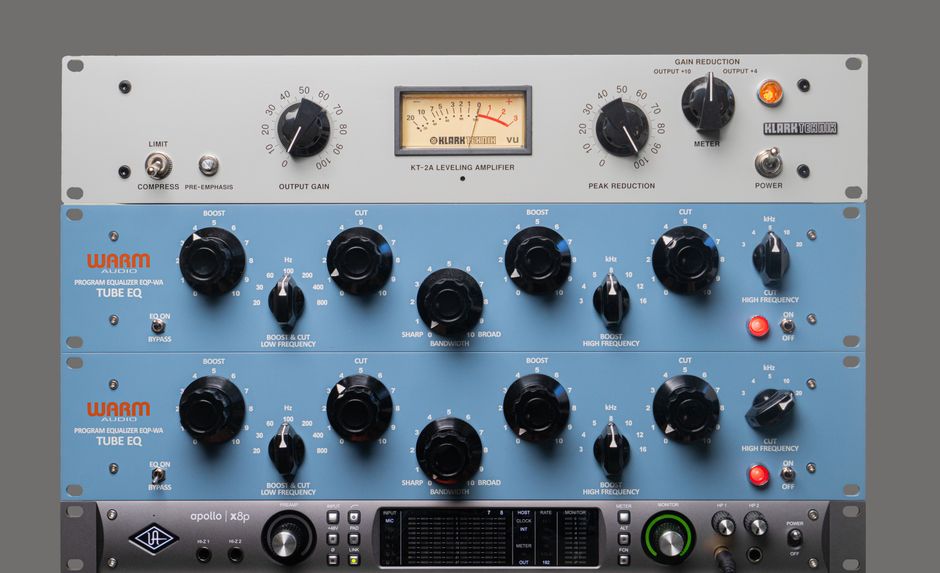
Frequency Adaptive Compression: Advanced Spectral Dynamic Control
Dynamic processing is a cornerstone of music production. While conventional compression is essential, it acts on the entire audio spectrum, often leading to undesirable side effects by reducing the dynamics of an entire sound to control a specific section. This phenomenon can compromise the naturalness or impact of a mix. However, frequency adaptive compression emerges as a sophisticated solution, enabling surgical intervention on frequency ranges. This approach allows for unparalleled precision in shaping sonic dynamics, addressing issues without affecting the overall integrity of the signal. It represents a significant advancement in the ability of audio engineers to refine and balance elements in recordings and mixes, establishing itself as an indispensable tool in contemporary production.
The most common manifestation of adaptive compression is multiband compression. This process divides the audio signal into several discrete frequency bands, applying individual compression to each. Unlike a full-band compressor, which reacts to the overall amplitude, a multiband compressor can reduce the resonance of a kick drum in the low frequencies without attenuating the punch in the mid-highs, or control vocal sibilance in the upper range without thinning out the vocal’s body. Each band operates with its own threshold, ratio, attack, and release parameters, providing granular control over the audio’s dynamic behavior. This method is particularly valuable for correcting spectral imbalances, adjusting density in specific regions, or for subtly and effectively shaping timbre. Its implementation requires a clear understanding of the interaction between bands and how their settings influence the overall auditory perception.
Multiband Compression: Segmentation and Processing by Frequency Ranges
The application of frequency adaptive compression spans multiple scenarios in audio production. In vocal post-production, it is frequently employed to mitigate excessive sibilance using a de-esser, which is essentially a multiband compressor focused on problematic frequencies (typically between 4 kHz and 8 kHz). Likewise, it allows for the correction of bass recordings with resonances at certain notes or the management of excessive energy in the 200-400 Hz range of an acoustic guitar without impacting its brightness. In mastering, multiband compression is a powerful tool for balancing the spectral density of the final mix, contributing cohesion and a greater sense of loudness. For example, if a song’s bass frequencies are inconsistent, gentle compression can be applied solely to that band, preserving the dynamics of other instruments. Various current plugins, such as FabFilter Pro-MB or iZotope Ozone, offer intuitive interfaces for this type of processing, facilitating its integration into professional workflows. The ability to react dynamically to specific peaks in the spectrum provides a flexibility that static equalizers cannot match.
The professional audio sector is witnessing continuous evolution in frequency dynamic processing tools. Recent innovations include the development of dynamic equalizers, which apply frequency attenuation or enhancement only when the signal exceeds a predefined threshold, combining the precision of an equalizer with the reactivity of a compressor. A notable example is Sonible’s Smart:EQ 3 plugin, which uses artificial intelligence to analyze the spectrum and suggest adjustments that optimize clarity and balance. This technology represents a qualitative leap, automating complex tasks and accelerating the mixing process. Another area of relevance is immersive audio production, such as Dolby Atmos, where the separation and precise control of elements in three-dimensional space critically depend on rigorous dynamic and spectral management. Frequency adaptive compression becomes a fundamental ally in ensuring that each sound object maintains its desired presence and location without frequency clashes. Furthermore, online collaboration platforms, like Splice, benefit from these techniques by allowing producers to share and refine tracks that have already been treated with great attention to spectral detail, ensuring a solid foundation for joint work. Advances in processing algorithms and the increasing computational power of digital audio workstations (DAWs) drive the creation of increasingly sophisticated tools, accessible to a wider range of creatives.
Practical Applications of Adaptive Compression in Production and Post-Production
In summary, frequency adaptive compression is an advanced technique that allows for meticulous control over the dynamics of specific frequency bands. Its correct application elevates the sonic quality of any production, from mitigating specific issues to optimizing overall spectral balance. Understanding its fundamentals and available tools empowers producers and engineers to achieve cleaner, more transparent, and more powerful mixes. This methodology not only resolves challenges but also opens up new creative possibilities, solidifying its position as a standard in the pursuit of sonic excellence.
Related Posts

The Evolution of USB Audio Interfaces: From Limitations to Global Music Production
An analysis of the technological development of USB audio interfaces, their impact on democratizing music production, and the future of connectivity.

Digital Performer: From MIDI Sequencer to Comprehensive DAW for Audio and Video Production
A retrospective analysis of Digital Performer, tracing its journey from early MIDI sequencing to its current role as a versatile DAW for audio and post-production.

Luiz Gonzaga's Guitar Alchemy: Crafting Forró's Enduring Rhythmic Soul
Explore the often-overlooked guitar contributions to Luiz Gonzaga's iconic sound, offering producers and musicians insights into crafting authentic Northeastern Brazilian grooves.

Automation in Music Production: Dynamism and Expressiveness in Contemporary Sound Design
Exploring the evolution and application of automation in DAWs, shaping expressiveness and sonic narrative.