Sound Design and Spatial Audio: Technological Evolution in Contemporary New Age Production
Analysis of the fusion of advanced synthesis, AI, and spatial audio in creating immersive new age music.
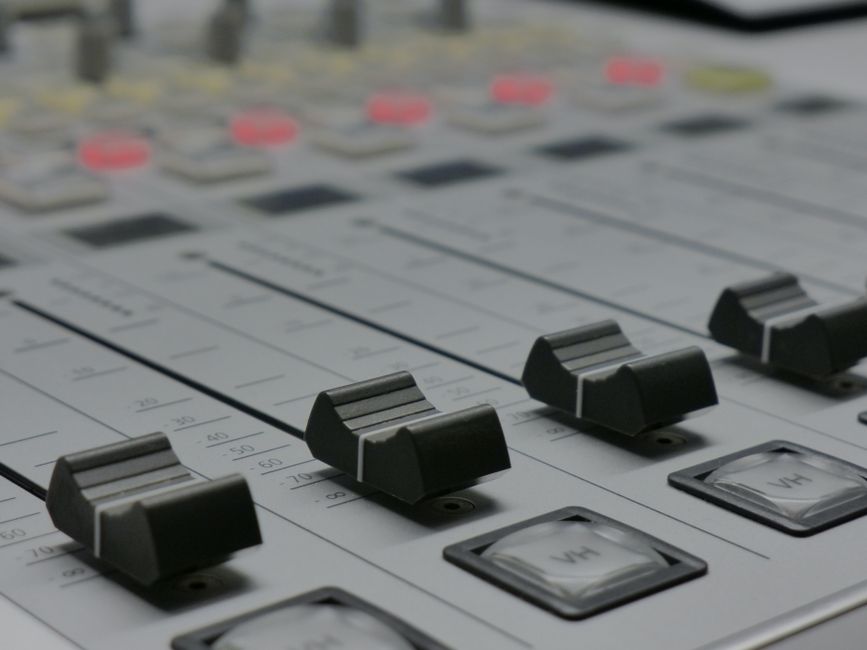
Sound Design: Synthesis and Textures in Contemporary New Age
Contemporary new age music production represents a fascinating confluence of melodic serenity and present-day technological innovations. This genre, which has historically prioritized atmosphere and introspection, is now enriched by advanced digital tools and sound design approaches that enable unprecedented depth and immersion. The evolution from analog synthesizers and field recordings towards AI-based plugin ecosystems and spatial audio experiences is redefining the new age soundscape.
The cornerstone of creating new age compositions lies in sound design. The selection of timbres must balance organic warmth with digital precision. Software synthesizers, such as those from Native Instruments or Arturia, offer an expansive palette, allowing for the generation of ethereal pads, hypnotic arpeggios, and evolving textures. The implementation of granular synthesis enables the fragmentation and reassembly of audio samples into abstract soundscapes, while additive synthesis allows for the construction of complex sounds from pure harmonics. The integration of acoustic elements, like high-fidelity recordings of traditional instruments or nature sounds, provides an earthly anchor and emotional resonance, blending the natural with the synthetic. Manipulating these elements through digital processing, such as ring modulation or subtle distortion, adds a layer of mystery and sophistication. For this purpose, tools like Native Instruments’ Kontakt or Spectrasonics’ Omnisphere prove invaluable, offering extensive libraries and powerful synthesis engines.
Mixing and Spatialization Techniques for Sonic Amplitude
Mixing and spatialization techniques are crucial for generating the characteristic sense of amplitude and calm in the genre. A discerning use of reverberations and delays is indispensable. Convolution reverbs, which emulate real acoustic spaces, and algorithmic reverbs, offering creative control over density and duration, are employed to create vast sonic environments. The application of rhythmic and ping-pong delays contributes to the sensation of movement and expansion. Dynamic processing should be subtle, prioritizing transparency to preserve the natural dynamics of the elements. Multiband compressors can refine specific frequency ranges without collapsing the sonic front. A significant advancement lies in spatial audio, such as Dolby Atmos, which allows sounds to be positioned in a three-dimensional environment, fostering a deeply immersive listening experience. Platforms like Spotify already offer support for this format, encouraging producers to adapt their mixes for wider dissemination. This approach overcomes stereo limitations, enveloping the listener in the composition’s atmosphere.
The current production workflow benefits from the synergies between robust DAWs like Ableton Live or Logic Pro, and artificial intelligence. AI-powered mixing and mastering assistants, such as those offered by iZotope or LANDR, streamline technical processes, allowing the creator to focus on artistic vision. These systems can suggest equalization, compression, or spectral balance adjustments, optimizing the starting point for a professional mix. Remote collaboration, facilitated by platforms like Splice or cloud services within DAWs, enables musicians and producers from different geographic locations to contribute to the same project, enriching the diversity of ideas and talents. The implementation of advanced MIDI controllers and touch surfaces allows for more intuitive and expressive interaction with virtual instruments, facilitating improvisation and real-time experimentation. This iterative and collaborative approach aligns with the organic nature of new age, where evolution and adaptation are constant elements.
Workflow and AI-Assisted Collaboration in Music Production
Contemporary new age music production is a dynamic field that values experimentation and the integration of new technologies. From the meticulous construction of soundscapes to the application of advanced spatialization techniques and AI assistance, the creative possibilities are limitless. Attention to timbral details, dynamics management, and the exploration of immersive formats are key elements in generating works that resonate with today’s audience, offering serenity and an enriched sonic experience. The constant evolution of digital tools continues to push the boundaries of what is possible in this unique genre.
Related Posts

Capturing and Processing Electronic Gesture Instruments: Sonic Integrity and Expressiveness
Analysis of recording and modeling techniques for theremin and MPE controllers, optimizing fidelity and dynamic range.
Holographic Instrument Recording: 3D Spatial Capture for Immersive Sound Experiences
Research into holographic instrumental sound capture, its technology, applications, and challenges for advanced music production.

FL Studio: Genesis, Evolution, and Architecture of a Revolutionary DAW in Music Production
A technical analysis of FL Studio's evolutionary journey, from its beginnings as a sequencer to its current role in global music production.

Lookahead Compression: Precise Transient Control and Sonic Transparency in Audio Engineering
Analysis of lookahead compression: its anticipatory mechanism, transient benefits, and practical applications for high-fidelity mixes.