Sonic Architecture in Narrative Podcasts: Vocal Processing, Spatiality, and Musical Cohesion
Technical optimization for narrative podcasts: vocal clarity, spatial depth, musical integration, and loudness standards for immersive audiences.

Sonic Architecture: Fundamentals of Mixing in Narrative Podcasts
The construction of an impactful narrative podcast fundamentally relies on the quality of its sonic architecture. Beyond a captivating script and eloquent performance, professional mixing is the pillar that elevates a story into an immersive auditory experience. This often-underestimated technical process shapes the listener’s perception, guiding them through atmospheres and emotions that complement the spoken word. A well-executed mix lends clarity to the dialogue, integrates sound elements coherently, and establishes a spatial depth that transcends the two-dimensionality of stereo audio. Mastery of these techniques is indispensable for any producer seeking to forge a lasting connection with their audience and solidify their project in today’s competitive podcasting landscape.
The articulation of vocals and sonic ambiance constitute the foundations of any narrative podcast. The crucial first step lies in ensuring maximum intelligibility of the dialogue. This involves careful vocal processing, beginning with equalization, which allows for enhancing key frequencies for clarity (typically between 2 kHz and 5 kHz) and attenuating bothersome resonances or low-frequency noise. The use of advanced noise reduction plugins, such as those offered by iZotope RX, is recommended for cleaning recordings of subtle acoustic imperfections while preserving the natural timbre of the voice. Compression, applied judiciously, manages volume variations, ensuring the voice remains constant without sounding artificially limited. A low ratio (2:1 to 4:1) and appropriate attack and release settings are essential for a transparent result. Simultaneously, the incorporation of ambient sounds must be subtle and believable, establishing the spatial context without competing with the narrative. Selecting high-quality sound libraries and manipulating their volume and equalization are vital for creating an immersive and realistic atmosphere, generating a sense of place that accompanies the story.
Vocal Processing and Ambiance: Clarity and Auditory Immersion
Dynamic management and auditory spatiality are elements that infuse narrative with life and depth. Once the voice is processed, applying multiband compression can further refine dynamic control, addressing specific frequency ranges. This allows, for example, for controlling sibilance or plosives without affecting the entire vocal spectrum. The strategic use of reverb and delay imbues sound elements with a credible spatial dimension. A short, natural room reverb can place the voice in a specific environment, while a subtle delay can create echoes in particular scenes, reinforcing the feeling of an open or closed space. Volume and panning automation are fundamental for directing listener attention and generating movement within the soundscape. Shifting a sound effect from left to right, or increasing a voice’s volume to emphasize a dramatic moment, are techniques that enrich the experience. Innovations in immersive audio, such as the development of binaural formats or the growing adoption of Dolby Atmos for narrative content, indicate a future direction where spatiality will be even more prominent, offering tools to place the listener within the story in a three-dimensional manner. Platforms like https://developer.apple.com/documentation/foundation/audiofile already provide guidelines for high-quality audio production, including spatial considerations.
The integration of music and sound effects is crucial for narrative cohesion. Background music should complement the voice without overshadowing it, often achieved through sidechain compression. This technique automatically attenuates the music’s volume when the voice is present and restores it when there is no dialogue, maintaining narration clarity. Plugins like FabFilter Pro-C 2 are excellent tools for implementing this type of compression with precision. Layering sound effects is another powerful technique: combining multiple audio layers (e.g., the sound of rain, wind, and rustling leaves) creates a more complex and convincing soundscape. Precise synchronization of these elements with the script is vital for emotional impact. Currently, AI-based tools are beginning to assist in selecting and adjusting sound effects, optimizing the workflow. Experimentation with specialized sound libraries, such as those available at https://www.freesound.org/, can provide unique textures and enrich the producer’s sonic palette. The goal is for every auditory element to contribute to the story, reinforcing the narrative’s atmosphere, tone, and rhythm.
Dynamic Management and Spatiality: Sonic Depth and Movement
Finally, loudness optimization and preparation for distribution are unavoidable technical aspects. Loudness standards (Loudness Units Full Scale, LUFS) are essential regulations that ensure a consistent listening experience across various platforms. For example, Spotify recommends -14 LUFS, while Apple Podcasts and other streaming platforms have similar guidelines. Monitoring loudness with tools like YouLean Loudness Meter is vital for meeting these requirements, preventing the podcast from sounding too loud or too quiet compared to other content. A final limiter on the master bus controls signal peaks, preventing distortion and generating a consistent level. It is crucial to perform listening tests in different environments (headphones, studio monitors, car systems, mobile phones) to verify the mix’s quality and balance. Narrative podcast production benefits greatly from a meticulous approach to post-production, where every technical decision aligns with the artistic vision. Continuous technological advancement, including high-fidelity audio interfaces from Universal Audio (https://www.uaudio.com/) and DAWs with increasingly sophisticated automation functionalities, continues to expand creative possibilities for sonic storytellers, enabling productions that connect with audiences in increasingly deep and immersive ways.
Related Posts

The Historical Evolution of Sampling: From Magnetic Tape to Digital Sound Design
Trace the development of the sampler, from pioneers like Schaeffer to AI, redefining music creation.

Integrating Acoustics and Psychoacoustics in 3D Sound Installation Mixing
Technical approach to sound spatiality, environmental acoustics, and psychoacoustics for immersive audio experiences in installations.
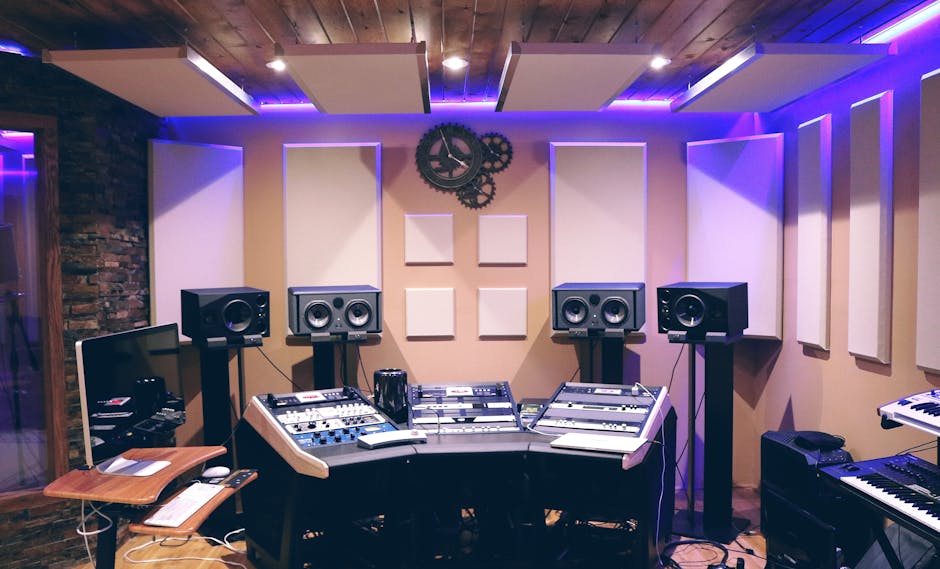
Studio Monitoring Fundamentals: Components, Acoustics, and Calibration for Sonic Fidelity
Technical analysis of speakers, interfaces, acoustic treatment, and calibration for precise audio reproduction in professional environments.
Abbey Road Studios: Technological Evolution and Global Music Production Legacy
An analysis of sonic innovation at Abbey Road, from pioneering analog techniques to digital integration and immersive sound.