Integrating Vintage Electronic Instruments: Preparation, Capture, and Processing in Modern Workflows
Methodologies for capturing and processing vintage synthesizers and drum machines, ensuring sonic authenticity in current productions.
Preparing and Connecting Vintage Electronic Instruments
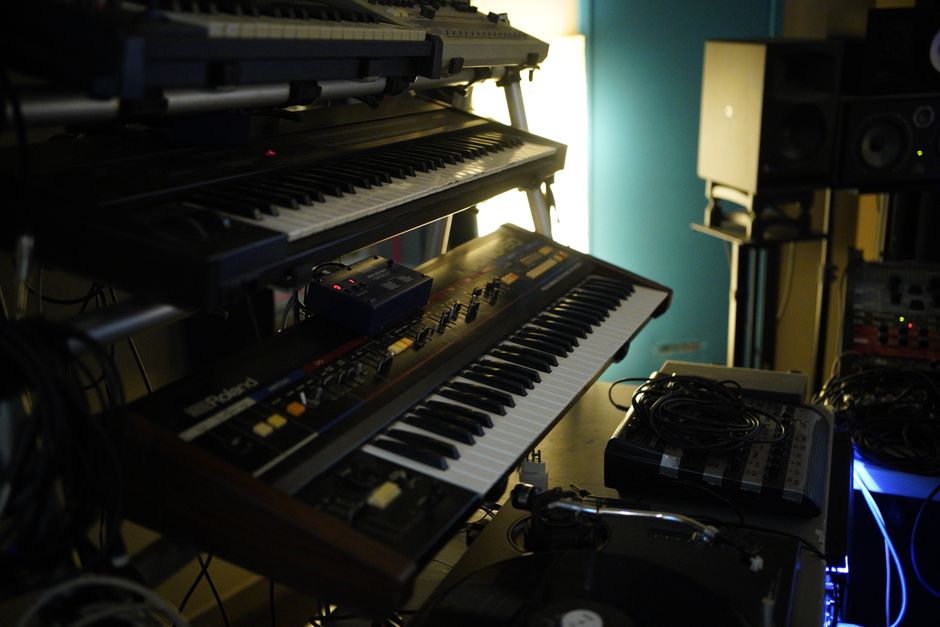
The inclusion of vintage electronic instruments in contemporary productions presents a unique technical challenge and creative opportunity. These devices, such as iconic Moog or Roland analog synthesizers, or E-mu and LinnDrum drum machines, with their distinctive sonic character forged by analog components and unique designs, offer textures and timbres that modern digital synthesizers and drum machines rarely replicate accurately. Preserving and enhancing their essence requires a meticulous recording and processing methodology that considers both their historical particularities and the demands of current workflows. The appreciation for these machines lies not only in their nostalgic value but in their ability to inject depth and authenticity into music, from Buenos Aires techno to global pop and video game soundtracks, where analog warmth remains highly valued.
Before commencing capture, meticulous preparation of the instrument is fundamental. The condition of components like potentiometers, faders, and connections is verified to ensure a clean signal and optimal performance. Cleaning contacts with specific products and a visual inspection can prevent unwanted noise, hum, or interruptions during the session. In many cases, vintage instruments have unbalanced outputs or atypical signal levels, often with high output impedance. Therefore, using a high-quality active or passive Direct Injection (DI) box is crucial for impedance matching and converting the signal to balanced, minimizing the introduction of ground loops into the chain. Microphone preamplifiers with variable impedance options, especially those with input transformers, can also significantly influence the tone, offering additional flexibility for sculpting the sound before analog-to-digital conversion. Modern audio interfaces with high-end preamplifiers, such as those from Universal Audio (https://www.uaudio.com/) or SSL, incorporate circuits that emulate the character of classic gear, adding an extra layer of authenticity and facilitating integration.
Sound Capture Techniques: DI vs. Re-amping
The choice between direct recording (DI) and re-amping through guitar amplifiers or effect pedals is a key point that defines much of the final character. Direct capture provides the purest signal from the instrument, ideal for extensive post-processing with plugins or external re-amping. However, re-amping through a tube amplifier and subsequent miking with condenser or ribbon microphones can infuse warmth, natural compression, and desirable harmonics, emulating how these instruments were used in historical recordings of genres like funk or progressive rock. It is crucial to adjust the gain staging precisely from the instrument to the converter to avoid clipping or excessive noise levels. For initial processing, subtle parametric equalizers are employed to polish problematic frequencies, such as mid-low range resonances or harsh treble, without altering the fundamental character of the timbre. Compression, applied moderately with a VCA or FET compressor, helps control the erratic dynamics inherent in some vintage designs, maintaining the instrument’s expressiveness. It is imperative to record the signal with adequate headroom, ideally between -18 dBFS and -12 dBFS peak, to preserve the fidelity of the original timbre and allow flexibility in the subsequent mix.
The integration of these instruments into a current production environment often involves synchronization via MIDI or CV/Gate. Modern MIDI controllers and specialized interfaces, such as those from Expert Sleepers or Kenton Electronics, facilitate communication with DAWs like Ableton Live or Logic Pro, enabling precise parameter automation and detailed sequencing. Software innovations also play a vital role. Emulation plugins for classic gear, such as those from Arturia V Collection or Native Instruments Kontakt, complement the sonic palette, offering digital versions of synthesizers that may not be physically available or are too expensive to acquire. Furthermore, AI-powered tools, like iZotope’s plugins for noise reduction (RX) or intelligent equalizers (Neutron), are beginning to optimize tasks such as signal cleaning or texture enhancement, allowing vintage sounds to better adapt to dense, modern mixes. Immersive production, with formats like Dolby Atmos, finds an opportunity in analog timbres to create richer, more three-dimensional soundscapes, using the warmth and harmonic complexity of this gear to fill space. These classic sounds, revitalized with current techniques, manifest in genres ranging from experimental electronic music to video game soundtracks and contemporary pop productions, evidencing a constant revaluation of analog in the digital age. Remote collaboration, facilitated by platforms like Splice or Bandcamp (https://bandcamp.com/), also allows producers from different locations to incorporate recordings of vintage instruments into their shared projects.
Modern Integration and Analog Audio Processing
Working with vintage electronic instruments demands a combination of patience, technical knowledge, and a deep appreciation for their sonic legacy. From initial preparation and maintenance to integration into complex mixing architectures, each stage represents an opportunity to infuse productions with a unique and unmistakable character. Investing in quality equipment, understanding signal chain principles, and embracing technological innovations are determining factors for achieving professional results that honor the spirit of these timeless machines. By applying these methodologies, producers can ensure that the distinctive voice of each vintage synthesizer or drum machine resonates with clarity and power in the contemporary musical landscape, transcending the barriers of time and technology.
Related Posts

Neural Voice Synthesis: Architectures, Applications, and Ethical Challenges in Sound Production
Exploring AI models for realistic voice generation, their creative applications, and ethical considerations in the industry.
Vocal Pitch Processing: Techniques, Applications, and Expressive Preservation
Technical analysis of vocal pitch processing: from tuning correction to creative effects, optimizing expressiveness.

OTT Compression: Loudness Standardization for Global Digital Audio Distribution
Explore OTT compression principles, streaming platform applications, and EBU R128/ATSC A/85 loudness guidelines.

Technological Integration in Contemporary Jazz Production: Hybrid Approaches and Sonic Expansion
Technical analysis of blending acoustic instrumentation and digital processing in modern jazz. Exploring synthesis and remote collaboration.