Compass Point Studios: Sonic Geography and Legacy in Global Music Production
An analysis of Compass Point Studios' impact on music production, blending ambiance, technology, and creativity for a distinctive sound.

Origins and Vision of Compass Point Studios
Compass Point Studios, established in Nassau, Bahamas, represented a pivotal milestone in the evolution of global music production. Founded in 1977 by Chris Blackwell, the visionary behind Island Records, its conception aimed to create a unique recording environment, away from urban pressures, where creativity could flourish without constraints. The proposition was clear: an international, world-class studio in a tropical paradise, designed to attract artists from diverse genres and facilitate an immersive creative process. This vision not only redefined the concept of a destination studio but also fostered a distinctive sound that defined an era.
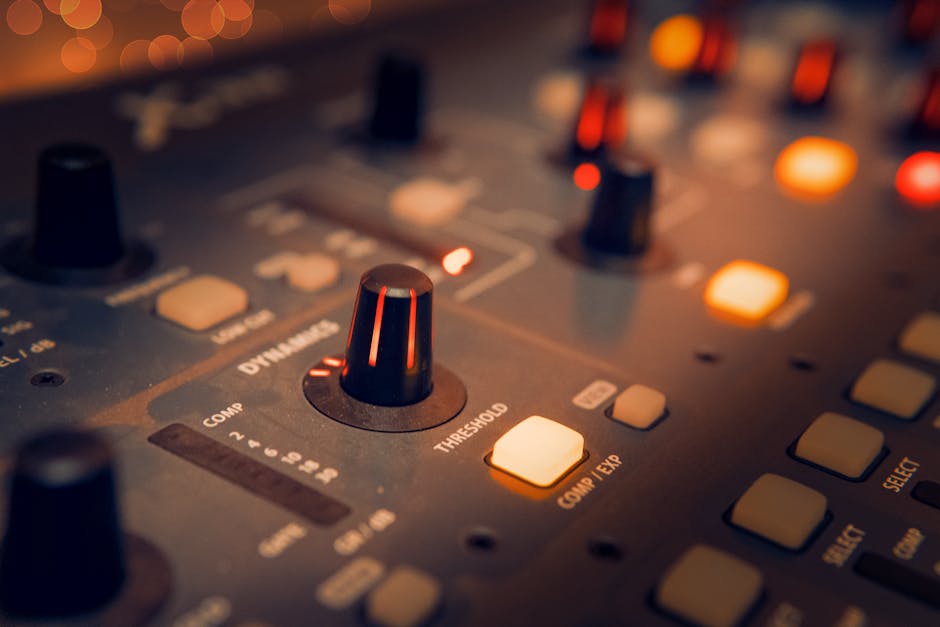
The sonic philosophy of Compass Point was built on a combination of cutting-edge analog equipment and a relaxed atmosphere that encouraged experimentation. From its inception, the studio housed a top-tier mixing console and a selection of microphones and peripheral equipment that allowed for considerable technical flexibility. Engineers like Alex Sadkin and Steven Stanley were instrumental in shaping its acoustic identity. They not only operated the technology but also collaborated closely with artists to translate their ideas into vibrant recordings. The Caribbean environment, with its inherent rhythm and unique light, subtly infused the productions, adding a warmth and spaciousness that became its hallmarks. This holistic approach, where the physical environment and technical expertise intertwined, sets a precedent for the current pursuit of optimized acoustic spaces and the integration of advanced technologies to replicate or simulate unique recording environments, even through AI tools that model reverbs and ambiances.
Sonic Philosophy: Equipment and Ambiance
The studio quickly became an epicenter for genre-defining productions. Artists such as Talking Heads, Grace Jones, Robert Palmer, and AC/DC recorded iconic albums within its walls, each benefiting from the location’s unique resonance. Talking Heads’ album “Remain in Light,” for example, showcases Compass Point’s ability to capture complex rhythms and innovative sonic textures, with prominent percussion and a mix that emphasizes spatial depth. Similarly, Grace Jones’ collaborations with Sly & Robbie and Alex Sadkin generated a groundbreaking sound that fused reggae, new wave, and disco, where deep basslines and minimalist arrangements took on a monumental presence. These productions stood out not only for their technical quality but also for their artistic boldness, demonstrating how the right space can catalyze innovation. The influence of these works extends to modern production, where the pursuit of a distinctive groove and the manipulation of sonic space continue to be pillars, often achieved with advanced digital techniques that emulate the warmth and punch of that analog gear.
The legacy of Compass Point Studios transcends its peak activity period. Its impact on contemporary music production lies on several fronts. Firstly, it solidified the idea of the destination studio as a creative catalyst, a concept that continues to inspire producers to seek out special environments for recording, whether they are boutique studios in nature or urban facilities with custom-designed acoustics. Secondly, its distinctive sound, characterized by rhythmic clarity and spatial breadth, remains a benchmark. Current producers often analyze these recordings to understand the interplay of instruments and the mixing that defined that era. Thirdly, the experimentation with genres and the fusion of styles nurtured there, such as post-punk with elements of reggae and funk, anticipated the genre fluidity we observe today. The way Compass Point fostered collaboration and creative freedom remains a model, adaptable even in the era of remote production and cloud-based collaborative work, where technology allows dispersed teams to emulate that synergy. The enduring interest in analog equipment and the increasing sophistication of console emulation and reverb plugins, such as those offered by Universal Audio or Waves, demonstrate the continued value of the sonic character that originated in places like Compass Point. Documenting its processes and analyzing its impact are essential for understanding the evolution of professional audio.
Iconic Productions and Their Acoustic Legacy
In summary, Compass Point Studios was not merely a recording space; it was a sonic laboratory that redefined the parameters of music production in the latter decades of the 20th century. Its combination of an inspiring environment, high-quality equipment, and exceptional technical staff produced a catalog of works that endure as testaments to innovation and quality. The studio demonstrated that geography and atmosphere can be as crucial as technology in the creative process. The relevance of its history for today’s audio professionals lies in understanding how the integration of technical, environmental, and human factors converges to generate timeless sounds and productions that continue to influence current trends in mixing, mastering, and sound design. Its journey exemplifies how the vision of a single individual can shape the trajectory of music on a global scale, inspiring new generations to seek their own distinctive sound.
Related Posts

Gilberto Gil Live: The Enduring Resonance of a Brazilian Music Icon's Stage Craft
Explore the unparalleled live artistry of Gilberto Gil, from his iconic stage presence to his profound musical legacy, inspiring Latin American artists.
Electric Lady Studios: Architecture, Acoustics, and Technological Adaptation in Iconic Sound Production
Historical and technical analysis of Electric Lady Studios: design, innovation, and legacy in music recording evolution.

From Roar to Resonance: The Enduring Soul of Ratones Paranoicos' Ballads and Mid-Tempos
Explore the profound artistry behind Ratones Paranoicos' slower tracks, revealing their emotional depth and lasting influence on Latin American rock.

Brain-Computer Interfaces in Music Production: Decoding Mental Intent into Soundscapes
Exploring how BCIs translate neural activity into musical parameters, examining methods, challenges, and creative potential.