Olympic Studios: Technical Innovation and Cultural Resonance in 20th Century Music Production
An analysis of Olympic Studios' impact on music sound and production evolution, highlighting its technical and cultural legacy.
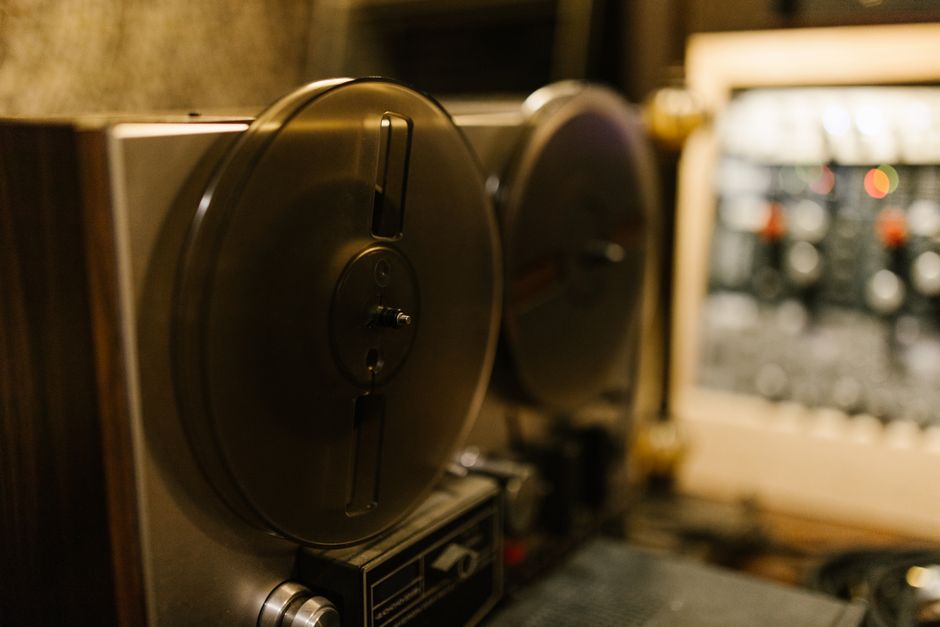
Technical Evolution and Audio Architecture at Olympic Studios
In the pantheon of recording facilities with significant historical trajectories, London’s Olympic Studios holds an undeniable place of distinction. From its inception, this space transcended the mere function of a studio, establishing itself as a crucible where some of the most influential musical recordings of the 20th century were forged. Its impact spanned genres and generations, consolidating production techniques that still resonate powerfully in the contemporary industry and contributing decisively to the development of the celebrated ‘British sound.’ To comprehend its magnitude, it is essential to analyze its technical evolution and profound cultural resonance.
The journey of Olympic began in 1958 in a former cinema on Carlton Street, West End, before its strategic relocation to Barnes in 1966. This move marked the dawn of an era of unprecedented innovation. The vision of its founders, along with lead engineer Keith Grant, fostered the adoption of cutting-edge technologies that transformed the creative process. Olympic pioneered the implementation of multitrack recorders, advancing from four to eight tracks, and then to sixteen, enabling unprecedented creative flexibility for artists and producers. The design of its mixing consoles, engineered in-house by Grant and his team to meet very specific acoustic and operational demands, represented a crucial advancement in audio architecture. These consoles, precursors to many later commercial designs, incorporated custom preamplifiers and equalizers that endowed the studio with a distinctive sonic coloration. This constant pursuit of technical excellence laid the groundwork for a characteristic sound that attracted global talent, establishing a benchmark in sound engineering.
Innovations in Multitrack Recording and Console Design
During the 1960s and 1970s, Olympic Studios became the epicenter of a creative explosion that defined an era. Iconic bands such as The Rolling Stones, Led Zeppelin, The Who, and Jimi Hendrix immortalized recordings there that redefined the rock and blues landscape. Seminal albums like The Rolling Stones’ ‘Beggars Banquet’ [https://www.rollingstones.com/] and Led Zeppelin’s ‘Led Zeppelin II’ [https://www.ledzeppelin.com/] not only captured the visceral essence of their performers but also showcased the studio’s capacity to shape distinctive and powerful soundscapes. The acoustics of its rooms, especially the legendary Studio One, offered rich and controlled natural reverberation that integrated organically into productions, minimizing the need for excessive artificial processing. Engineers of the caliber of Glyn Johns, Eddie Kramer, and George Chkiantz, with their technical expertise and exceptional ear, developed innovative microphone techniques and mixing methods that optimized the capture of drums, electric guitars, and vocals, setting sonic standards for classic rock. The symbiotic interaction between artists and a top-tier technical team fostered an environment of experimentation that was fundamental to the development of new sonic textures and dynamics, leaving an indelible mark on music history.
Despite its closure as a recording studio in 2009, the legacy of Olympic Studios remains vibrant and continues to shape current production practices. Currently, the building has been renovated and houses a luxury cinema and a restaurant; a transformation that, while changing its function, has not erased its historical imprint. The technical innovations and work methodologies perfected within its walls continue to inspire current engineers and producers worldwide, from Buenos Aires to Los Angeles. The pursuit of natural and controlled acoustics, experimentation with microphone placement to capture the essence of an instrument, and the emphasis on signal quality from the source are principles that Olympic helped to cement. These principles are reaffirmed today with the rise of immersive recording and formats like Dolby Atmos [https://www.dolby.com/technologies/dolby-atmos/], where spatiality and sound depth are crucial. The meticulous attention to detail in sound capture, characteristic of Olympic, aligns with current trends that value authenticity, analog warmth, and depth in productions, even in an environment dominated by digital tools. The legacy of Olympic Studios serves as an eloquent reminder that artistic creativity and audio engineering are symbiotic elements, and that adequate infrastructure, designed with vision, can elevate artistic expression to extraordinary levels.
Acoustic Impact and Miking Methods in Iconic Sessions
In retrospect, Olympic Studios was not merely a building with high-end equipment but a true sound laboratory where artistic boldness met technical mastery. Its chronicle is a living testament to how adequate infrastructure, combined with human talent and an innovative vision, can shape the course of modern music and leave a lasting imprint on the global sonic landscape. Its history instructs on the fundamental interaction between technology, art, and the constant evolution of music production, offering valuable lessons for future generations of sound creators in Argentina and the rest of the world, who can find inspiration in its tireless pursuit of sonic excellence.
Related Posts

Psychoacoustics and Sound Design: Fundamentals for Meditative Music Production
Exploring synthesis, signal processing, and mastering techniques to craft immersive and calming soundscapes.

Sympathetic Resonance in Recording: Acoustic Principles and Capture/Processing Strategies
Explore sympathetic resonance in music production: mic techniques, acoustics, and processing for rich sound textures.

Adaptive Sound Design: Reactive Audio Architectures for Immersive Experiences
Exploring audio systems that evolve in real-time, enhancing immersion and emotional connection in interactive media.

Modular Architecture and Sound Design in Reason Studios: A Technical Perspective
Exploring Reason Studios' virtual rack interface, instruments, and workflows for advanced sound creation.