Audio Crosstalk: Mechanisms, Measurement, and Mitigation for Signal Integrity
Understand crosstalk, its origins, measurement via channel separation, and strategies for maintaining sonic purity in professional audio.
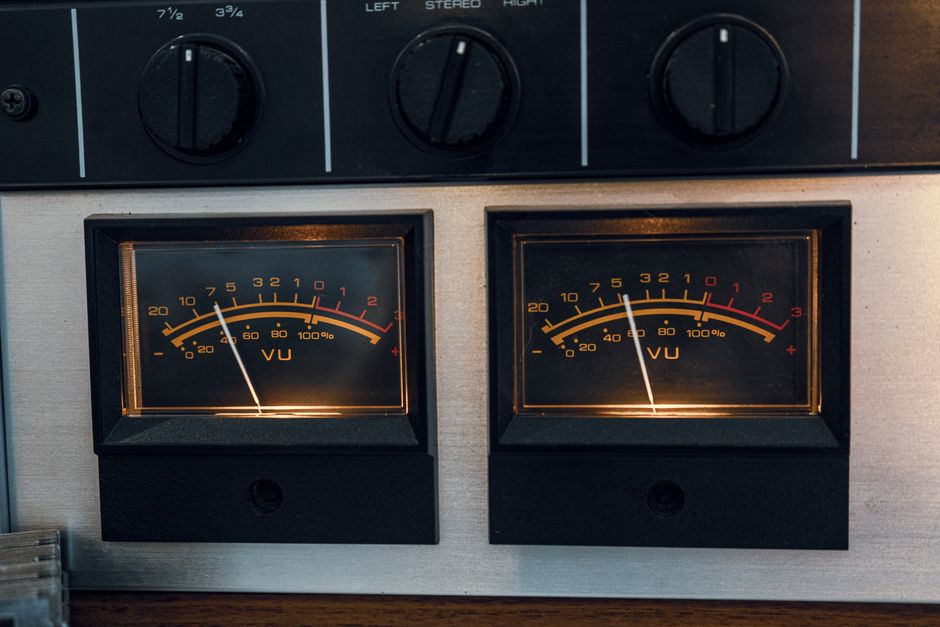
Origins and Manifestations of Electronic and Acoustic Crosstalk
Signal integrity is a fundamental pillar in high-fidelity audio production. Within this domain, a technical phenomenon requiring meticulous attention is crosstalk. This concept refers to the unwanted leakage of a signal from one channel to an adjacent one, directly impacting the clarity, stereo separation, and spatial imaging of a mix. Its understanding and measurement are essential for engineers and producers seeking to optimize sound quality in modern studios, from capture to final distribution.
Nature and Manifestation of Crosstalk
Crosstalk originates from various mechanisms of unwanted coupling between circuits or conductors. The most common causes include electromagnetic induction, where magnetic fields generated by a cable or printed circuit board trace induce currents in a nearby one; and capacitive coupling, where physical proximity allows signals to transmit through parasitic capacitance. In the realm of recording, even acoustic leakage between proximate microphones, though different in nature, can manifest with effects similar to electronic crosstalk, reducing instrumental separation.
Quantifying Channel Separation and Measurement Methods
The audible repercussions of crosstalk are subtle yet significant. In a stereo mix, a high level of crosstalk reduces the sense of width and precise localization of elements, blurring the image. A sound that should be strictly in the left channel might be faintly heard in the right, compromising spatial definition. In more complex multichannel systems, such as those used for immersive audio (Dolby Atmos or 360 Reality Audio), crosstalk can completely distort the intended spatial design, affecting the listener’s immersive experience.
Technical Evaluation and Measurement Methods
The quantification of crosstalk is performed using the parameter of channel separation, expressed in decibels (dB). A value of, for example, -90 dB indicates that the unwanted signal in the adjacent channel is 90 dB lower than the original signal injected into the primary channel. The higher this negative value, the better the separation and the lower the crosstalk. High-end professional audio equipment typically specifies separation values exceeding -90 dB, and even -120 dB in the most sophisticated components.
Impact of Crosstalk on Immersive Audio Formats and Modern Production
To perform an accurate measurement, a test signal (commonly a sine wave) is injected into one channel, and the level of that signal is monitored in the adjacent channels, without the latter receiving any direct signal. This test is usually conducted across a range of frequencies to observe the frequency dependency of crosstalk. It is common to observe that crosstalk tends to increase with frequency, a critical factor in circuit design and cable selection for broadband audio applications. Specialized audio analyzers, such as those from Audio Precision, are regularly used for these evaluations, providing objective data on the performance of interfaces, mixers, and other devices in the audio chain. Technical documentation from manufacturers like Universal Audio or RME includes these specifications for their interfaces, allowing users to understand the real-world performance of their equipment.
Relevance in Contemporary Music Production
Today, crosstalk takes on particular relevance with the proliferation of high-resolution audio formats and immersive experiences. A system’s ability to maintain pristine channel separation is crucial for formats like Dolby Atmos, where the precise placement of sound objects in a three-dimensional space is the essence of the experience. A high level of crosstalk would compromise the sense of directionality and depth.
Mitigation and Crosstalk Control Strategies in the Audio Chain
For producers and technicians, understanding crosstalk involves several practical strategies. In studio setup, the use of high-quality, balanced cabling is fundamental, as its inherent design minimizes the pickup of noise and interference. Proper cable routing, avoiding the bundling of input and output signals or signals of different levels, also contributes to reducing crosstalk. When selecting audio interfaces and preamplifiers, it is advisable to examine their technical specifications to ensure that the channel separation meets professional standards. For instance, the design studios of mixing consoles like SSL or Neve dedicate considerable engineering effort to minimize crosstalk within their circuits to preserve signal purity.
Technological advancements, including improvements in electronic component design and shielding techniques, continue to mitigate crosstalk at the hardware level. Likewise, the use of spectral analysis tools integrated into modern DAWs or specialized plugins can assist in identifying signal anomalies, although prevention at the infrastructure level remains the most effective defense.
In summary, the analysis and management of crosstalk constitute an indispensable aspect of achieving sonic excellence. From equipment selection to studio setup and recording techniques, every decision influences signal integrity. A deep understanding of these fundamentals allows audio professionals to build systems that not only sound good but also meet the demanding requirements of fidelity and spatial separation that cutting-edge music production requires.
Related Posts
The Sonic Legacy of API Equalizers: Design, Evolution, and Technical Application
Explore the design of the 2520 op-amp and Proportional Q functionality in API equalizers, their historical impact and current relevance.

Parallel Compression: Principles, Practical Applications, and Technological Advancements in Audio Mixing
Exploring parallel compression to enhance sonic impact and density while preserving original dynamics in music productions.

Musical Field Recording: Equipment Selection, Capture Techniques, and Post-Production Processing
Explore integrating ambient sounds into music, from gear choice to creative post-production manipulation.

Audio Engineering at Hitsville U.S.A.: Key Motown Sound Techniques and Their Modern Legacy
Explore Motown's recording and audio processing techniques, their impact on modern production, and vintage gear emulation.