Adaptive Compression: Intelligent Dynamic Control for Sophisticated Music Production
Technical analysis of adaptive compression, its algorithms, and application for optimizing dynamics in mixes and masters.
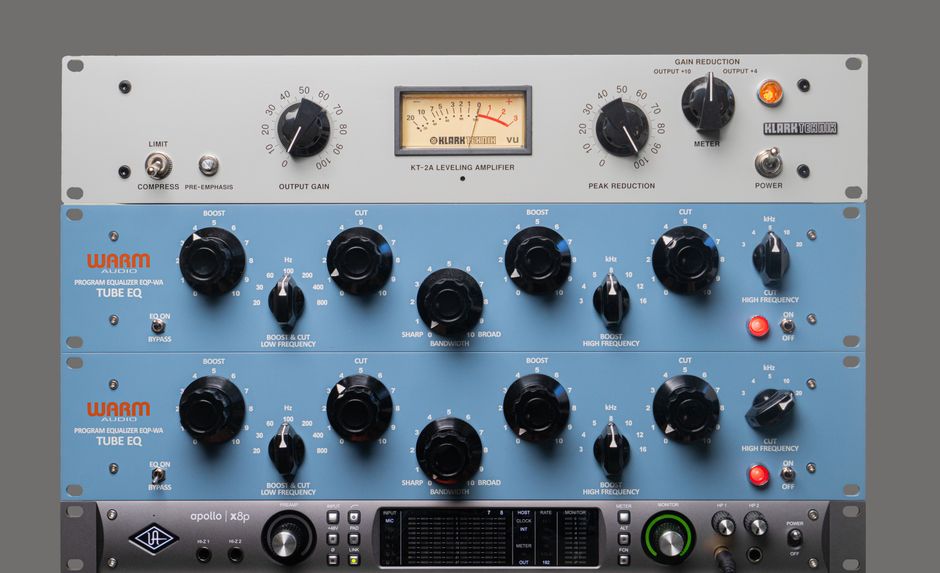
Adaptive Compression: Principles and Differences from Conventional Compressors
Dynamic management in music production is a fundamental pillar for achieving coherent mixes and transparent masterings. Within the arsenal of available tools, adaptive compression emerges as an advanced technique that redefines dynamic control. Unlike conventional compressors, which apply fixed processing based on static thresholds, adaptive systems adjust their parameters in real-time, responding to the changing characteristics of the sonic material. This approach allows for more subtle and musical intervention, preserving the naturalness of the signal while optimizing its density and presence. Adaptive technology offers a renewed perspective for engineers and producers seeking superior sophistication in sound shaping.
Adaptive compressors operate with algorithms that continuously analyze the spectral and temporal content of an audio signal. This dynamic analysis capability allows them to automatically modify the compression ratio, attack, and release according to the specific needs of each moment. For example, in a musical passage with pronounced transients, the algorithm might apply a fast attack to control peaks, while in sections with sustained notes, it would opt for a slower release to maintain density. The primary goal is to maintain a consistent output level without introducing audible artifacts, achieving superior sonic cohesion. This technology differs from the constant manual adjustment required by traditional compressors, offering a more automated and efficient solution in today’s production environment.
Adaptive Compression Algorithms: Analysis and Dynamic Response
While the “adaptive” nature suggests less manual intervention, understanding the underlying parameters is crucial for its effective application. Many adaptive compression plugins, such as the Dynamics module in iZotope Ozone, offer controls to guide the algorithm’s behavior. These can include:
- Target Level: Defines the desired dynamic level to which the compressor will attempt to bring the signal.
- Sensitivity: Controls the algorithm’s reactivity to dynamic changes. Higher sensitivity implies a more agile response.
- Speed/Response: Influences how quickly the compressor adjusts its internal attack and release parameters.
- Ratio Range: Sets the limits within which the compression ratio can vary, allowing control over the processing intensity.
- Adaptable Sidechain: Some advanced systems allow for a sidechain input that can also be adaptively analyzed, opening new creative and mixing possibilities, such as intelligent ducking in immersive music environments. These adjustments allow the audio engineer to customize the adaptive behavior, ensuring that the compression complements the artistic intent of the mix.
Adaptive compression finds its utility in various stages of music production. In mixing, it is invaluable for:
- Vocals: Maintains consistent vocal level throughout a dynamic performance, without crushing soft syllables or exaggerating loud ones.
- Drums: Adds punch to individual transients while sustaining the body of the drums, ideal for genres requiring precise dynamic control.
- Mix and Master Buses: On the stereo bus, it can unify disparate elements, creating a more cohesive mix with an optimal perceived level, crucial for streaming platforms like Spotify, where volume normalization is a determining factor. Recent advancements in artificial intelligence and machine learning have further enhanced this technology. State-of-the-art plugins integrate multiband spectral analysis and predictive algorithms, enabling adaptive compression that considers not only overall dynamics but also the interaction of specific frequencies. This is particularly relevant in the production of music for immersive formats, such as Dolby Atmos, where dynamic coherence between sound objects is essential for an enveloping listening experience.
Key Parameters in Adaptive Compressor Setup
Integrating adaptive compression into a workflow requires critical listening and an understanding of its benefits and limitations. It is recommended to use it as a complementary tool to traditional compression, not as a complete replacement. It is essential to experiment with sensitivity and response parameters to observe how the algorithm interacts with different types of material. A good practice involves applying it subtly, aiming to enhance intelligibility and cohesion without sacrificing dynamic impact. Furthermore, it is valuable to consider the order of processing. Placing an adaptive compressor after equalization can yield more predictable results, as the input signal has already been tonally shaped. Accurate monitoring in an acoustically treated environment, as practiced in professional studios worldwide, is indispensable for evaluating the real impact of these tools. The goal is always to enhance musicality, not simply to achieve a technical level. Adaptive compression, when applied correctly, becomes a powerful ally for achieving polished and professional-sounding productions.
Adaptive compression represents a significant evolution in dynamic control, providing audio engineers with unprecedented ability to handle the complexity of modern signals. Its capability to adjust parameters in real-time facilitates a more fluid and musical integration, resulting in more balanced and present mixes. By understanding its principles and applying its settings with discernment, producers can elevate the technical and artistic quality of their work, adapting to the demands of the current sonic landscape.
Related Posts

Mono Compatibility: Ensuring Sonic Coherence Across Playback Systems
Technical analysis of mono compatibility checks in audio mixes, crucial for sonic clarity and consistency.

Catupecu Machu's Collaborative Alchemy: Forging Sound Beyond Boundaries
Explore the pivotal collaborations that defined Catupecu Machu's innovative sound and artistic evolution in the Latin American rock scene.

Physical Modeling in Sound Synthesis: Principles, Applications, and Future Innovations
Fundamentals of physical modeling for recreating instruments and generating unique timbres, exploring its application in modern music production.

Dynamic vs. Condenser Microphones: Operating Principles, Applications, and Optimal Selection
Technical distinction between dynamic and condenser microphones: operation, advantages, disadvantages, and their role in modern audio production.