Sonic Integration of Hybrid Genres: Dynamic, Spectral, and Spatial Processing
Mixing techniques to fuse disparate musical styles, optimizing frequencies, dynamics, and spatiality in contemporary productions.
Fundamentals of Hybrid Music Genre Fusion
The convergence of musical styles has redefined the contemporary soundscape, fostering the emergence of hybrid genres that challenge traditional conventions. From fusions of trap with folklore to experimental electronic music with classical orchestration, today’s producers face the challenge of integrating disparate elements into an audible cohesion. This process demands a keen understanding of mixing tools and a creative vision to assemble sonic universes that, in principle, might seem incompatible. The ability to amalgamate textures, rhythms, and harmonies from different origins is now a distinguishing quality in sound design.
The starting point for a hybrid genre mix lies in identifying the pillars of each style to be combined. Each genre possesses intrinsic frequency, dynamic, and spatial characteristics. For instance, the percussion of a Latin rhythm requires different treatment than a techno beat. An effective methodology involves analyzing the timbral palette of each component. A segmented approach is suggested: first, ensure each individual element sounds optimal within its original context, and then, consider how it will adapt to the new ecosystem. This leads to careful selection of samples, recordings, and synthesizers, paying attention to the compatibility of their dynamic ranges and spectral information. Harmonic coherence, while not always strict in experimental genres, can guide transitions between sections.
Timbral and Spectral Analysis in Hybrid Mixes
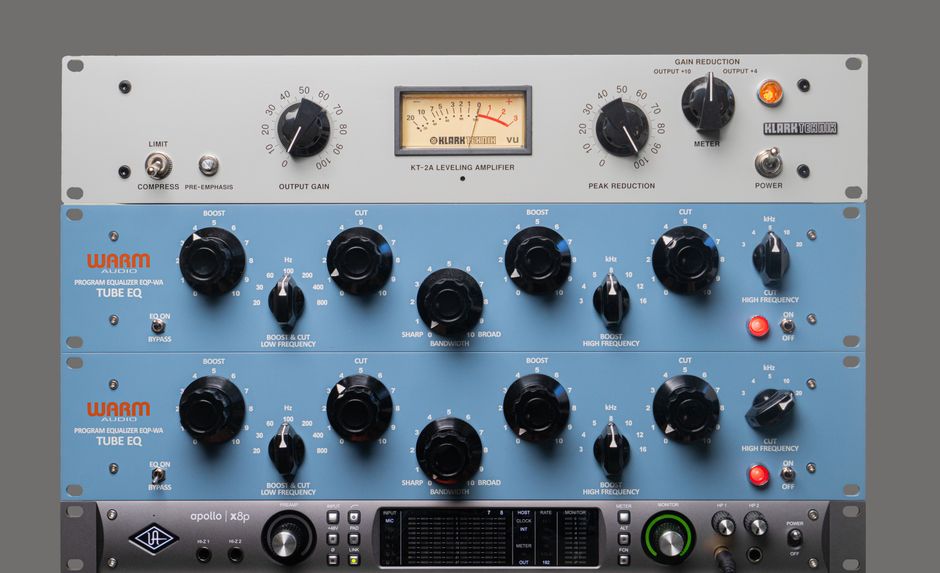
The articulation of disparate elements demands precise manipulation of dynamic range and frequency distribution. Equalization, in this context, not only corrects but also sculpts spaces for each instrument, preventing masking. For example, if synthesizer basses are fused with acoustic double basses, identifying their fundamental frequencies and key harmonics is crucial for them to coexist without conflict. Multiband compression proves to be an invaluable tool, allowing control over the dynamics of specific ranges, which is particularly useful when uniting elements with very different transients. Parallel compression, on the other hand, can inject punch and density into electronic percussion without negating the subtlety of acoustic drums. Proper phase management is another vital aspect, especially when combining multiple microphones or samples with live recordings. Tools like phase meters or correction plugins are essential for maintaining clarity and impact.
The creation of a coherent soundscape in hybrid genres often benefits from advanced spatial and textural design techniques. Reverb and delay, beyond adding ambiance, can unify elements originating from different acoustic environments. Using a common reverb send for certain instrument groups can generate a sense of spatial cohesion. Innovations in immersive audio, such as Dolby Atmos, are opening new possibilities for positioning sounds in three-dimensional space, offering a more enveloping and complex listening experience for the audience. For further details, consult the official documentation for the Dolby Atmos Production Suite. Furthermore, artificial intelligence (AI) is beginning to influence the mixing process. AI-based plugins, such as those from iZotope or Sonible, can suggest equalization and compression adjustments, or even generate creative effects that assist in sound integration. Texture manipulation through granular synthesis, modulation effects, or granular synthesis allows transforming an original sound to better fit the aesthetic of the resulting hybrid genre. Remote collaboration platforms, like Splice or Landr, enable artists from different geographical locations and styles to work together, enriching the diversity of hybrid mixes.
Dynamic and Frequency Processing for Sonic Cohesion
The mixing of hybrid genres represents one of the most stimulating frontiers in contemporary music production. It involves a combination of technical rigor and creative boldness. By applying principles of sonic integration, meticulous dynamic and spectral processing, and employing advanced spatial and textural design tools, producers can forge compositions that not only function but also define new artistic directions. The constant evolution of technology, from immersive audio to artificial intelligence, continues to provide new avenues for this discipline, inviting limitless experimentation.
Related Posts

Automation in DAWs: Dynamic and Textural Control for Contemporary Music Production
Explore how DAW automation sculpts sonic dynamics and texture, elevating musical expression beyond basic recording.

Mastering for Streaming: Navigating LUFS Normalization, True Peak, and Codecs
Sonic optimization for digital platforms: managing loudness, peaks, and lossy compression for maximum fidelity.

Digital Audio Jitter: Measurement, Impact, and Mitigation Strategies for Engineers
Analyzes the impact of jitter on digital audio quality, its measurement methods, and effective management strategies in studios.

Cross-Modulation: Fundamental Principles and Applications in Contemporary Sound Synthesis
Explore cross-modulation (AM/FM) for sculpting complex timbres. Modern tools and spectral analysis for audio design.