Technical and Creative Processes in Modern Cinematic Music Production
Analysis of composition, recording, mixing, and immersive audio in scores for film, series, and video games, focusing on Argentina and Latin America.
Genesis and Pre-production of Film Scores
Film music is a fundamental pillar of audiovisual narrative, transcending mere background ambiance to become an indispensable dramatic element. From classical orchestral compositions to contemporary sound textures, its evolution reflects the constant technological and artistic innovation within the industry. This analysis delves into the technical and creative processes involved in producing scores for film, series, and video games, considering current methodologies and cutting-edge tools shaping cinematic sound. It offers a particular perspective on trends impacting professionals in Argentina and Latin America.
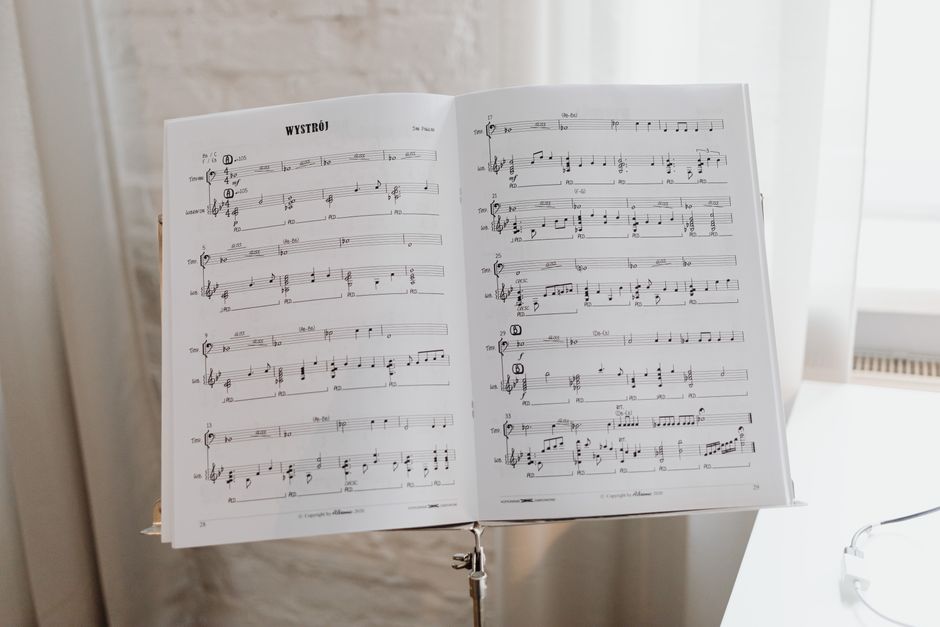
The genesis of a film score begins with a profound understanding of the narrative arc and characters. Developing leitmotifs and specific musical themes for each dramatic element is crucial, bestowing coherence and emotional resonance throughout the work. Composers often initiate this process by creating detailed mock-ups using advanced sample libraries, such as those offered by Spitfire Audio or Orchestral Tools (see https://www.spitfireaudio.com/ and https://www.orchestraltools.com/). These libraries emulate full symphony orchestras or specific ensembles with remarkable fidelity. These increasingly sophisticated virtual tools allow for precise acoustic previsualization, facilitating agile iteration with the director by adjusting tempos, harmonies, and orchestrations before the final recording. The choice between a live orchestra, which provides unparalleled organic quality, or an entirely virtual production depends on budgetary and aesthetic factors. However, current technologies achieve astonishing results in both scenarios, progressively blurring the lines between the real and the synthetic.
Orchestral Recording Techniques and Remote Collaboration
The recording stage presents particular challenges in film music production, especially when aiming to capture the magnitude and emotional depth of an orchestra. For live ensembles, the space’s acoustics and microphone techniques are critical for capturing the required spatiality and dynamics. Multi-microphone configurations are employed, from Decca Tree setups to ambient and spot microphones, to achieve a wide stereo image and granular control over natural reverberation and the definition of each instrumental section. In the current landscape, remote production has gained significant traction, enabling talents worldwide to collaborate without geographical barriers. Tools like Source-Connect (see https://source-elements.com/) or Audiomovers facilitate real-time collaboration among distributed musicians, enabling recording and mixing sessions with low latency and high fidelity. Additionally, artificial intelligence (AI) is beginning to play an increasing role, assisting in generating melodic ideas, automatic orchestration, or creating complex soundscapes. Platforms such as Amper Music or AIVA offer capabilities to generate musical passages based on emotional or stylistic parameters defined by the composer, optimizing pre-production times and expanding the possibilities for creative exploration.
The mixing of music for film demands meticulous articulation with dialogue and sound effects, essential components of audiovisual narrative. The mix engineer must ensure the score complements the action without masking critical narrative elements, which requires a delicate balance and sophisticated use of equalization, multiband compression, and stereo panning management to create distinct sonic layers and a perception of depth. An innovative trend redefining the listening experience is immersive audio production, with formats like Dolby Atmos at the forefront (see https://www.dolby.com/atmos/). This technology allows sound elements to be placed within a three-dimensional space, offering the viewer an enveloping acoustic experience and a deeper connection to the scene. Post-production studios configure complex monitoring systems that include multiple overhead and side speakers, precisely calibrated to render these spatial mixes. Integration with modern DAWs, such as Pro Tools Ultimate or Nuendo (see https://www.avid.com/pro-tools and https://www.steinberg.net/nuendo/), enables specific workflows for editing and mixing in these environments, allowing for greater depth, realism, and dramatic impact in the cinematic auditory experience.
Mixing and Immersive Audio Processes in Post-production
Cinematic music production is a discipline that amalgamates artistic sensibility with technical expertise. From thematic conception to the final mix in immersive formats, each phase requires detailed attention and constant adaptation to technological innovations. The future of this field promises even greater integration of AI tools, expanded collaborative workflows, and continuous evolution towards increasingly enveloping auditory experiences, redefining the interaction between sound and visual narrative on screen.
Related Posts

Interactive Generative Music: Principles, Implementation, and Applications in Contemporary Sound Production
Investigating the fusion of algorithmic composition and real-time response, exploring tools and the future of dynamic sonic expression.
Hybrid Mixing Engineering: Sonic Cohesion in Fused Genres and New Sound Frontiers
Analysis of EQ, spatial, and dynamic processing techniques to integrate disparate musical genres in contemporary productions.

Pyramix DAW: Architecture for Ultra-High Resolution Audio and Precision Editing
Analysis of Pyramix's audio engine, advanced editing, and hardware-software synergy for elite productions.
Rhythmic Layering: Percussive Overlap Principles for Sonic Depth and Definition
Optimize your music productions with rhythmic layering. Learn processing techniques for sonic cohesion and articulation.