The Sonic Architecture of Trap: Advanced Bass Processing and Vocal Design
A technical deep dive into trap's sound design, from 808 synthesis to expressive vocals and streaming optimization.

Rhythmic Architecture and Percussion Design in Trap
The production of contemporary trap music has redefined the global sonic landscape, solidifying a style that demands technical precision and a deep understanding of available tools. This technical analysis addresses the essential methodologies and technologies that shape trap’s distinctive sonic profile, from rhythmic programming to optimization for various digital distribution platforms. The genre’s constant evolution incorporates advanced software and hardware solutions, enabling artists and producers, even in regions like Buenos Aires, to craft complex and resonant auditory landscapes.
The fundamental pillar of trap lies in its rhythmic architecture. The configuration of the sub-bass, or “808”, is a central element; it not only provides a powerful low-end foundation but also functions as a crucial melodic line. Hi-hat patterns, with their intricate rhythmic variations and rapid “rolls”, constitute an unmistakable sonic signature. To achieve clean interaction between the 808 and the kick drum, sidechaining techniques with compressors are implemented, ensuring each component occupies its frequency space without masking. Additive and subtractive synthesis, as well as granular sampling, are common procedures for generating and manipulating percussion textures. Recent innovations include the use of AI-powered drum plugins that assist in creating complex patterns and generating dynamic rhythmic variations, streamlining the creative process and offering new perspectives in groove articulation. Platforms like Splice (https://splice.com) continue to be a primary source for accessing high-quality sound libraries, while tools like Native Instruments’ software (https://www.native-instruments.com) offer advanced synthesizers and samplers for sound manipulation.
Vocal Processing and Atmospheric Synthesis
Sound design in trap integrates a variety of synthesizers to establish distinctive atmospheres and melodic lines. Ethereal pads, aggressive leads, and rhythmic arpeggios are frequent elements. Vocal processing management is a core aspect, where autotune is employed not just as a pitch correction tool but as an expressive effect that defines much of the genre’s vocal aesthetic. The application of tempo-synced delays and algorithmic or convolutional reverbs generates acoustic spaces that deepen sonic immersion. Vocal doubling techniques and the insertion of “ad-libs” contribute to textural richness. Advances in digital signal processing have introduced plugins with spectral modeling capabilities that allow for detailed alteration of vocal harmonics, while MIDI controllers with haptic feedback offer more intuitive interaction in real-time effect configuration. Experimentation with plugins like FabFilter’s (https://www.fabfilter.com) for equalization and compression, or iZotope’s (https://www.izotope.com) for vocal design, allows producers to achieve the desired clarity and color.
Mixing trap productions requires extremely careful management of the low-frequency range to maintain punch without saturation. Vocal clarity and separation between distinct instrumental elements are vitally important for optimal reproduction across various sound systems. The final mastering must consider specific loudness standards for streaming platforms like Spotify (https://www.spotify.com/ar/) or Apple Music (https://www.apple.com/la/apple-music/), ensuring consistent and competitive sonic impact. The application of true-peak limiters and dynamic range analysis tools is essential in this phase. Current trends include the use of AI-assisted mastering software that suggests adjustments based on the analysis of thousands of tracks, and the growing relevance of mixing for immersive formats like Dolby Atmos, which, while not yet standard across all trap, represents a future direction for the auditory experience. Precise calibration of the monitoring environment is fundamental for making reliable decisions throughout the entire process.
Mix and Master Optimization for Digital Platforms
The evolution of modern trap music is a testament to technological innovation and creativity in music production. Understanding and applying these advanced tools and techniques are indispensable for creators aspiring to establish a significant sonic presence in the contemporary scene. Constant adaptation to new technologies and distribution formats, coupled with a solid technical foundation, empowers producers to craft sounds that resonate with current and future audiences.
Related Posts
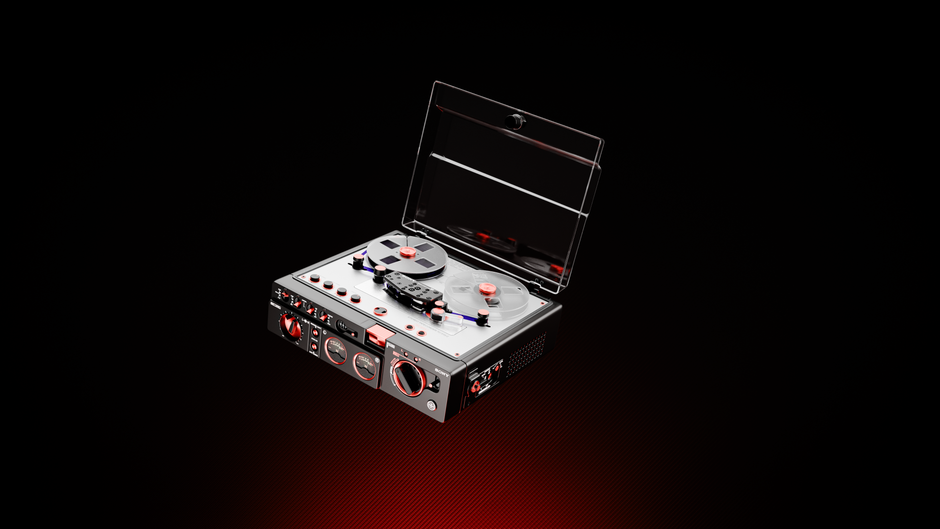
Wow and Flutter: Mechanical Phenomena, Quantification, and Relevance in Modern Audio Production
Exploring analog audio speed fluctuations, their measurement, sonic impact, and creative application in digital environments.

Microtiming, Synthesis, and Automation: Rhythmic Architecture in Modern Music Production
Exploring microtiming, sound design, and automation to sculpt percussive grooves with depth and character in productions.

Advanced Equalization: Dynamic and Linear Phase Techniques in Contemporary Sound Production
Dive into dynamic, linear phase, and sidechain EQ for refining mixes and adapting to immersive audio and streaming.

Microphony and Harmonic Bowl Processing: Capturing Timbre and Sonic Spaciality
Technical analysis of crystal and Tibetan bowl recording, covering mic selection, techniques, and processing.