Cubase: Architecture, Workflows, and Applications in Latin American Music Production
Technical analysis of Cubase: configuration optimization, high-fidelity audio capture, and advanced mixing techniques for modern production.
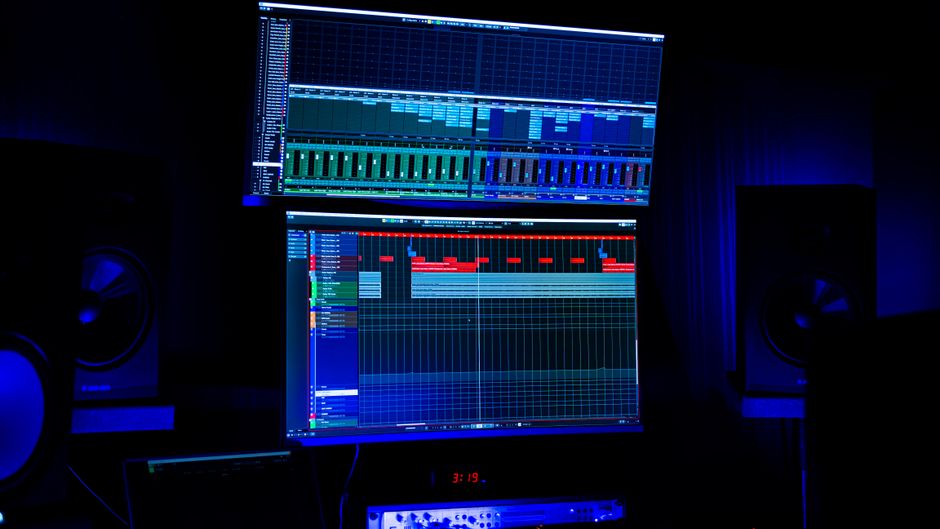
Cubase Architecture and Configuration for Efficient Workflows
The music production landscape is undergoing continuous transformation, with digital tools becoming fundamental pillars. In this evolving scenario, Steinberg’s Cubase stands out as a Digital Audio Workstation (DAW) with a solid track record and constant adaptability. Its robust architecture and advanced feature set make it a preferred choice for engineers, composers, and producers in Latin America, from the most sophisticated studios in Buenos Aires to emerging home studios across the region. The platform not only facilitates the realization of sonic ideas but also integrates with the latest technological innovations, offering a versatile work environment for creating high-quality music in the contemporary era. A deep understanding of its capabilities empowers users to develop their creative and technical potential, addressing production challenges with efficient solutions.
An efficient configuration is essential for optimizing any production workflow. Within Cubase, customizing the user interface and creating specific project templates are crucial initial steps. Users can adapt window layouts, keyboard shortcuts, and track settings to suit their preferences, streamlining the creative process. Implementing pre-configured templates, for example, for a live band recording session or for electronic music production, saves considerable time and standardizes projects. This includes assigning audio inputs and outputs, loading preferred virtual instruments, and pre-setting effect chains for common tasks. Considering hardware specifications, such as audio interface latency and CPU processing power, is equally important for maintaining optimal performance, especially when working with complex projects integrating multiple VST instruments and plugin instances. Optimizing buffer size and managing system load are technical aspects that directly impact the software’s operational fluidity. For more information on Cubase optimization, visit the official Steinberg website: https://www.steinberg.net/cubase/.
High-Fidelity Audio Recording and Editing Techniques
High-fidelity audio capture represents one of Cubase’s core functions. The platform supports advanced multitrack recording, enabling engineers to capture multiple sources simultaneously with direct monitoring options and minimal latency. ‘Comping’ features facilitate the selection of the best takes from several overlapping recordings, constructing a flawless vocal or instrumental track from diverse performances. Audio editing is equally robust; ‘VariAudio’ offers pitch correction and melodic quantization tools with surgical precision, useful for fine-tuning vocal or monophonic instrumental performances without audible artifacts. Time manipulation using ‘Audio Warp’ allows for non-destructive adjustment of audio fragment timing, an invaluable resource for synchronizing disparate elements or experimenting with groove. Furthermore, the ability to integrate external hardware like analog preamplifiers and compressors, through the ‘External FX’ functions, enriches sonic options, merging the best of the analog and digital worlds. These tools facilitate the creation of professional-standard recordings, meeting the quality demands of today’s streaming platforms.
The mixing process in Cubase benefits from a 64-bit floating-point audio engine, providing ample headroom and superior sonic clarity. The ‘MixConsole’ is highly configurable, offering engineers great flexibility in organizing channels, groups, and effect sends. Integrated effect chains, including professional-grade parametric EQs, compressors, reverbs, and delays, are solid starting points for any mix. Integration with third-party plugins, such as those from Universal Audio (https://www.uaudio.com/) or FabFilter (https://www.fabfilter.com/), exponentially expands processing possibilities. A growing trend is mixing for immersive formats, such as Dolby Atmos (https://www.dolby.com/technologies/dolby-atmos/), a capability that Cubase Pro has incorporated, enabling producers to create three-dimensional sound experiences for film, video games, and music platforms like Apple Music or Tidal. For the mastering phase, Cubase includes tools like the ‘Loudness Meter’ to comply with streaming platform LUFS standards (e.g., -14 LUFS for Spotify for Artists: https://artists.spotify.com/), as well as advanced export options that ensure the delivery of optimized files for various media. Precise parameter automation is fundamental in both stages, facilitating dynamic transitions and complex effects that elevate the final production quality.
Mixing and Mastering Processing in Modern Audio Environments
Cubase’s evolution is closely linked to industry innovations. Compatibility with advanced MIDI controllers and control surfaces, such as the Steinberg CC121 or third-party devices, enhances tactile interaction with the software, fostering a more intuitive and expressive workflow. Artificial intelligence (AI) is also beginning to play a relevant role; recent plugins use AI algorithms to assist in tasks like automatic mastering, harmony suggestion, or sound texture generation, albeit always under the producer’s creative supervision. Remote collaborative production, facilitated by cloud-based project sharing tools or Steinberg’s ‘VST Connect’ features, enables musicians and producers to work together regardless of their geographical location, a practice becoming increasingly common in the global and local music scene. Integration with new sound libraries and the continuous development of cutting-edge virtual instruments ensure Cubase remains at the forefront as a fertile ground for sonic experimentation and the realization of innovative musical concepts. Advances in granular synthesis and physical modeling, accessible through VST3 plugins, open new dimensions for sound design.
In summary, Cubase represents a comprehensive solution for contemporary music production, extending from initial conception to final product delivery. Its advanced tools for recording, editing, mixing, and mastering, combined with constant adaptation to technological trends, position it as an invaluable asset. For professionals and music enthusiasts in Argentina and the rest of Latin America, understanding and fully utilizing Cubase’s capabilities means accessing a global standard of quality, suitable for the demands of the current industry and future innovations. Investing in knowledge of this DAW directly translates into the ability to create productions that resonate with clarity and professionalism in the worldwide soundscape.
Related Posts

Unlocking Dread Mar I's Studio Magic: Crafting Reggae Hits for Global Ears
Explore the studio techniques, production philosophies, and signature sound engineering behind Dread Mar I's iconic reggae and Latin pop hits.

Capturing the Sound of Fretless Instruments: Miking, Acoustics, and Advanced Processing
Technical analysis of miking techniques, acoustic treatment, and processing for high-fidelity recordings of bowed string instruments.

Eastcote Studios: Sonic Legacy and the Evolution of British Audio Engineering
A technical analysis of Eastcote Studios' impact on modern music, from analog roots to contemporary hybrid practices.

Mastering for Interactive Audio: Dynamics, Spatiality, and Asset Preparation
Technical analysis of mastering for interactive content, focusing on dynamics, spatial audio, and asset optimization for immersive experiences.