Microtiming and Percussive Layers: Foundations for Distinctive Groove Construction
Delve into rhythmic articulation, microtiming, percussive layer design, and instrumental interaction for unique groove creation.
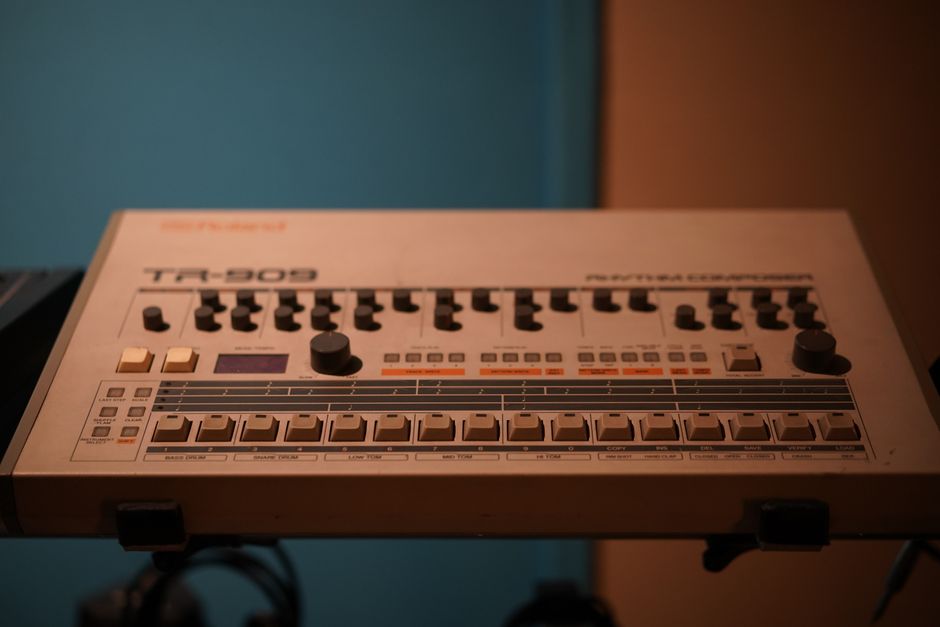
Rhythmic Articulation and Microtiming in Modern Production
The essence of a musical composition often lies in its groove – that rhythmic quality that drives movement and emotionally connects with the listener. Beyond the mere sequence of notes and silences, groove imbues music with life and character, transforming a simple foundation into something infectious and memorable. For producers and musicians worldwide, understanding the nuances of rhythm construction is crucial for producing works that resonate with diverse audiences. This text delves into various contemporary methodologies and tools for forging rhythms with a distinctive sonic identity.
The starting point for any groove is the precise articulation of its rhythmic elements. While quantization to the grid is a standard practice in digital production, excessive reliance can lead to sterile rhythms. To infuse humanity and fluidity, considering microtiming is vital. This involves subtle adjustments to note placement, deviating them slightly from perfect time. Techniques like swing or shuffle, which alter note subdivisions, are essential for generating different rhythmic feels. Many modern DAWs, such as Ableton Live with its “Groove Pool” or Logic Pro with its intelligent quantization options, offer detailed parameters for manipulating these micro-adjustments, allowing producers to customize the rhythmic feel of their tracks. Variations in note attack and duration also contribute significantly to rhythmic perception, adding a dynamic quality that the human ear interprets as more organic and expressive. A meticulous study of these elements enables the crafting of rhythmic foundations with a unique character.
Percussive Layer Interaction: Density and Spectral Clarity
The richness of a groove is often built upon the interaction of multiple percussive layers. It’s not just about selecting impactful sounds, but how they interweave within the frequency and spatial spectrum. The intelligent layering of kicks, snares, hi-hats, and additional percussion can create a complex and immersive rhythmic density. For instance, one kick might serve as the fundamental base, while another sample with more attack adds definition. To achieve clarity, frequency separation is key: each percussive element should occupy its own space in the mix. This is achieved through surgical equalization and the use of filters, ensuring no frequency collisions muddy the rhythm. Furthermore, dynamic processing, such as parallel compression or the use of transient shapers, can enhance the impact and punch of each layer without sacrificing overall dynamics. Current trends in drum sound design include granular synthesis for unique textures and the use of multiband processors for highly detailed timbre sculpting. Platforms like Splice [https://splice.com/] offer a vast library of samples and loops that can be the initial spark for experimenting with new texture combinations.
An effective groove transcends the percussion section; it is the result of cohesive interaction among all instruments. The relationship between the bass and drums is paramount, forming the rhythmic and harmonic backbone of the piece. A bassline that synchronizes its attacks with the kick or establishes a melodic counterpoint can anchor the rhythm powerfully. The sidechain technique, commonly used to make the bass “breathe” with the kick, can also be creatively applied to other melodic instruments or pads, generating a subtle yet impactful rhythmic movement. Considering how chords and arpeggios are rhythmically articulated in relation to the drums can add layers of complexity and fluidity. In the context of collaborative production, tools like BandLab [https://www.bandlab.com/] allow musicians from different locations to build and refine grooves together, bringing diverse perspectives to rhythmic interaction. Additionally, the integration of artificial intelligence tools for generating rhythmic or melodic accompaniments, such as those found in some iZotope or Native Instruments plugins, represents a cutting edge in groove composition, offering ideas that might not arise conventionally.
Instrumental Cohesion: The Role of Bass and Creative Sidechaining
Today’s music production landscape offers a spectrum of tools that enhance the creation of innovative grooves. Rhythmic analysis plugins, such as XLN Audio XO [https://www.xlnaudio.com/products/xo], which organizes and suggests drum samples based on rhythmic and timbral similarities, exemplify how technology redefines workflow. Virtual modular synthesis, through environments like VCV Rack [https://vcvrack.com/], enables the construction of generative and polyrhythmic sequences that evolve unpredictably, bringing unparalleled freshness. Advanced MIDI controllers with sequencing and real-time manipulation capabilities, like those in Ableton’s Push series or Akai Professional controllers, empower producers to inject performative expressiveness directly into their grooves, humanizing the final output. Exploring creative processing techniques, such as synchronized rhythmic delay or applying complex modulation effects to percussive elements, can also transform a basic rhythm into an immersive sonic experience. These methods, combined with a solid understanding of rhythmic principles, open pathways for continuous innovation in groove crafting.
In synthesis, crafting compelling grooves is a discipline that blends technical knowledge with developed musical intuition. From microscopic timing adjustments to the orchestration of sound layers and inter-instrumental interaction, every decision contributes to the final quality of the rhythm. Embracing the latest technologies, including artificial intelligence and collaborative platforms, vastly expands creative possibilities. By applying these techniques and methodologies, producers and musicians can generate rhythms that not only move feet but also capture the audience’s imagination and spirit, establishing a solid foundation for any musical production.
Related Posts
Catupecu Machu's Collaborative Alchemy: Forging Sound Beyond Boundaries
Explore the pivotal collaborations that defined Catupecu Machu's innovative sound and artistic evolution in the Latin American rock scene.

Corrective Equalization: Mitigating Resonances and Optimizing Spectral Balance in Audio Mixes
Dive into corrective equalization techniques, from frequency sweeping to Mid/Side processing, for clear, balanced audio mixes.

Mastering the Stage: Unpacking Chitãozinho & Xororó's Enduring Live Performance Magic
Explore the artistry behind Chitãozinho & Xororó's iconic live performances, offering insights for Latin American musicians and producers on stagecraft, sound, and legacy.
Cubase: Evolving MIDI Sequencing to Immersive Digital Audio Production
An analysis of Cubase's journey from its MIDI origins to innovations in spatial audio and AI for music production.