The Evolution of Multitrack Recording: From Magnetic Tape to Immersive, Collaborative Production
A technical analysis of the multitrack audio journey, from its origins to current digital and collaborative innovations.
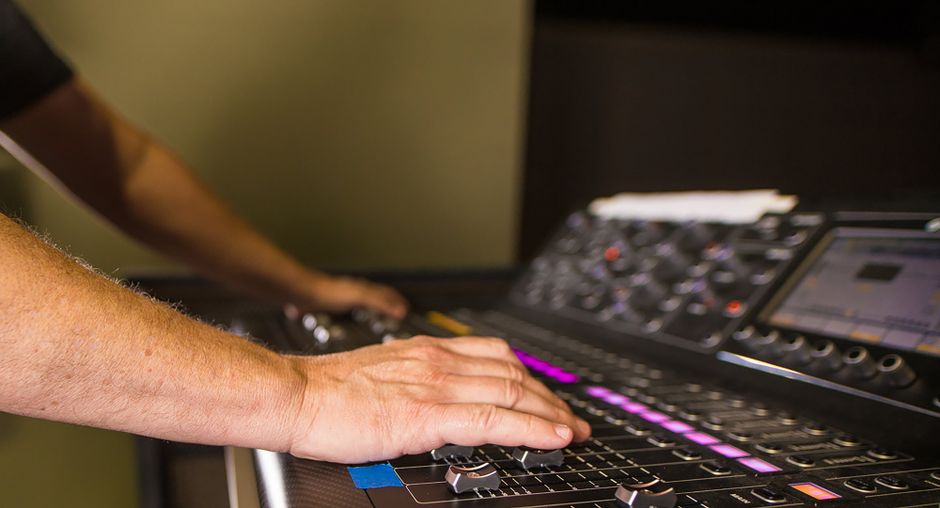
The Evolution of Sound Recording: From Direct Capture to Multitrack
The setup for capturing and manipulating sound has undergone a fascinating evolutionary journey, radically transforming music creation. Initially, audio recording focused on documenting live performances, an approach that valued the fidelity of the moment. However, the invention of the multitrack system redefined this paradigm, enabling the meticulous construction of sound works, layer by layer, in a process of experimentation and accumulation.
The origins of this methodology trace back to innovations with magnetic tape in the post-war era. Visionaries like Les Paul, in collaboration with Ampex, pioneered the “Sound-on-Sound” technique, which allowed for track overdubbing. This advancement was crucial for the development of the Sel-Sync function, which enabled the synchronization of a recorded track with a new performance on another. Ampex’s commercialization of these technologies marked the beginning of the multitrack era, with two- and then four-track equipment opening up a universe of creative possibilities, freeing artists from the limitations of a single perfect take.
Innovations in Magnetic Tape: The Origins of Analog Multitrack
During the so-called “golden age” of music production, track capacity expanded considerably. Iconic eight, sixteen, and twenty-four track machines, manufactured by companies like Studer, MCI, and Otari, became the heart of major studios. These machines, combined with large-format consoles, allowed for a complexity of arrangements and a precision in mixing previously unimaginable. The standardization of synchronization systems, such as SMPTE timecode, was fundamental for coordinating multiple recorders and video equipment, shaping entire musical genres and the sound of film productions. The high cost and operational complexity of these systems solidified the recording studio as an epicenter of technical and artistic innovation, accessible only to large-scale productions.
The transition to digitalization represented another momentous milestone. Digital tape-based multitrack recorders, like Alesis’s ADAT or TASCAM’s DA-88, offered a more economical and compact alternative to analog systems. However, the true revolution arrived with digital audio workstations (DAWs), such as Pro Tools, Logic Pro, and Cubase. These software platforms virtualized the studio, providing non-linear editing capabilities and a practically unlimited number of tracks. This shift democratized access to high-quality production tools, moving much of the creative process from physical hardware to a computational environment.
Track Expansion and Standardization: The Golden Age of Studios
Today, the multitrack concept continues to evolve, integrating the latest technological innovations. Artificial intelligence (AI) plays an increasing role in optimizing mixes and mastering, with plugins like iZotope Neutron and Ozone assisting in spectral analysis and dynamic processing. Immersive audio production, particularly in formats like Dolby Atmos, represents an expansion of the multitrack approach into a three-dimensional space, challenging engineers to conceive enveloping soundscapes. Likewise, remote collaboration platforms (e.g., Soundtrap or Splice) and cloud-based music project management tools are redefining how artists and producers cooperate remotely, eliminating geographical and temporal barriers. These advancements signal a future where flexibility and connectivity will further expand the creative possibilities inherent in the multitrack concept, driving new forms of sonic expression.
The trajectory of multitrack recording, from its rudimentary beginnings to its current sophisticated implementations, underscores a constant pursuit of creative expansion and technical efficiency. Tools and methodologies continue to transform, but the fundamental principle of building a sound work from superimposed individual elements remains the cornerstone of modern music production. Continuous innovation in this field ensures that the audio creation process remains a fertile ground for artistic experimentation and technical excellence.
Related Posts

Timbric Authenticity: Acoustic and Perceptual Parameters in Audio Engineering
Quantifying sonic fidelity through spectral, dynamic, and psychoacoustic analysis for high-quality music productions.

Vinyl Mastering: Groove Physics, Limitations, and Analog/Digital Processing Techniques
Delve into the technical challenges of vinyl mastering: frequencies, stereo, dynamics, and tools for faithful reproduction.

Musical Field Recording: Capture, Processing, and Application in Contemporary Sound Composition
Field recording methodologies and digital processing techniques for integrating organic textures into innovative music productions.

Dolby Atmos: Objects and Beds in Immersive Audio Mixing
Exploring Dolby Atmos object and bed techniques for immersive audio production and their music applications.