Dynamic vs. Condenser Microphones: Operating Principles, Performance, and Key Applications
A technical exploration of the operating principles, characteristics, and practical uses of dynamic and condenser microphones.
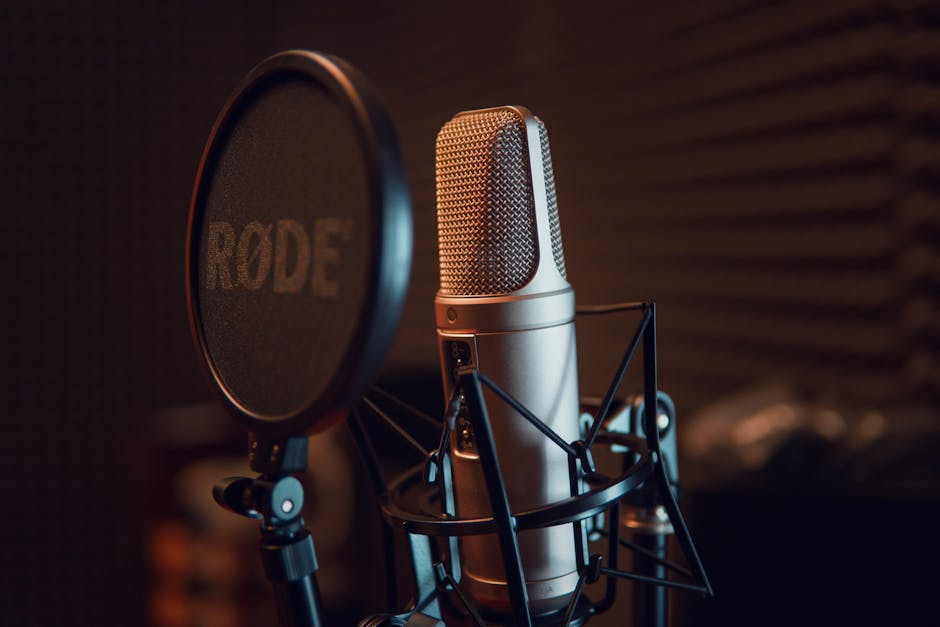
Operating Principles: Dynamic vs. Condenser Microphones
The precise selection of an acoustic transducer is a fundamental pillar in sound engineering. The primary distinction between dynamic and condenser microphones lies in their operating principles and, consequently, their performance characteristics. Understanding these differences is essential for optimizing sound capture in any context, from a professional recording studio in Buenos Aires to a home production space.
Dynamic microphones operate on the principle of electromagnetic induction. A voice coil, attached to a diaphragm, moves within a magnetic field when struck by sound waves. This vibration generates an electrical current that translates into the audio signal. Their robust construction lends them remarkable durability and a high capacity to handle elevated Sound Pressure Levels (SPL) without distortion. This characteristic makes them ideal for challenging environments and noisy sources. In practical applications, dynamic microphones are a common choice for live vocal amplification, the miking of electric guitars, and drums, especially for the snare and toms, where resistance to impact and the capture of powerful transients are priorities. Iconic models like the Shure SM57 or SM58 are ubiquitous on stages and in studios, valued for their reliability and their focused mid-frequency response, which contributes to intelligibility in dense mixes.
Dynamic Microphone Characteristics and Applications
In contrast, condenser microphones function on the principle of capacitance variation. They possess two plates: one fixed and one mobile (the diaphragm). Sound waves cause the diaphragm to vibrate, altering the distance between the plates and, therefore, the capacitance. This variation is converted into an electrical signal, which requires external power, commonly known as phantom power (+48V). Their lighter diaphragm and inherently more sensitive design allow them to capture a much wider frequency range with greater transient detail than their dynamic counterparts. This sensitivity makes them the preferred tool for recording studio vocals, acoustic instruments like guitars, pianos, and strings, as well as for capturing ambient sounds and drum overheads. The ability to discern subtle nuances is crucial in productions aiming for exceptional fidelity. Brands like Neumann with their U87 or AKG with the C414 represent the gold standard in this category, offering versatile polar patterns and a pristine sound response.
The determination of the most suitable microphone type involves considering the sound source, the recording environment, and the desired outcome. For an energetic voice in a concert or a high-volume guitar amplifier, a dynamic mic will offer the necessary resilience and a direct capture. For the subtlety of a sung voice in a soundproof studio or the resonance of a classical guitar, a condenser will reveal the harmonic richness and spatial detail. Today, technological innovations offer additional tools for audio engineers. Microphone modeling plugins, such as Universal Audio Sphere or Antelope Audio Edge systems, allow for the emulation of the sonic characteristics of classic microphones, both dynamic and condenser, with a single physical unit. This provides unprecedented flexibility in the post-production phase. Likewise, the increasing adoption of artificial intelligence in audio processing and remote production platforms (e.g., Sessionwire, Source-Connect) emphasize the importance of high-quality audio capture at the source. The informed choice of microphone becomes even more critical when the signal is transmitted and processed in distributed collaborative environments, where clarity and initial fidelity are irreplaceable. This technological convergence underscores that, while the foundations of acoustics remain, the applications and sonic possibilities continue to expand.
Condenser Microphone Functionality and Use
In summary, both dynamic and condenser microphones possess unique attributes that make them indispensable in the arsenal of any producer or sound engineer. The distinction between their robustness and ability to handle high SPLs versus their sensitivity and harmonic detail is key to effective decision-making. Analyzing the specific needs of each project and staying abreast of emerging technological solutions will enable the achievement of top-quality sonic results, enriching any musical production.
Related Posts

Advanced Vocal Processing: Formants, Vibrato, and AI in Contemporary Music Production
Detailed analysis of advanced vocal manipulation, from formants to AI, for sculpting expressiveness in today's music.

Technical Riff Analysis: Massacre's Guitar Evolution in Death Metal
Exploring Massacre's compositional and textural riff techniques, defining their death metal legacy.

The Acoustic Legacy of Criteria Studios: Innovation, Adaptation, and Sonic Quality in Analog and Digital
An analysis of the technical evolution and influence of Criteria Recording Studios in music production, from analog to digital.

Harmonic Distortion Fundamentals: Timbral Character and Sound Perception in Audio
Understand the addition of even and odd harmonics and their psychoacoustic impact on shaping timbre.