Comparative Analysis: X-Y vs. A-B Configuration for Stereo Audio Capture and Spatial Perception
Technical examination of X-Y and A-B stereo recording techniques, detailing principles, applications, and mono compatibility for professional audio.

Fundamental Principles of Stereo Capture
Stereo audio capture is a cornerstone of contemporary music production, lending depth and width to recordings. Spatial perception, the attribute that allows us to locate instruments and voices within a soundscape, is achieved through the conscious manipulation of time, phase, and intensity differences between two channels. Among the most implemented methodologies for this purpose, the X-Y and A-B configurations stand out for their effectiveness and versatility. This technical analysis examines the inherent properties of each, outlining their operating principles and ideal applications in various recording situations.
The primary objective of stereo recording is to replicate the human auditory experience, where both ears receive slightly different signals. These variations are interpreted as spatial information by the brain, constructing a three-dimensional soundstage. A monaural track lacks this dimensionality, merging all elements into a single central point. Stereo recording, in contrast, allows for the distribution of sound sources along the horizontal axis and, to a lesser extent, in depth. The choice of an appropriate stereo technique directly impacts phase coherence, mono compatibility, and the perceived width of the sound image, crucial aspects for subsequent mixing and mastering.
X-Y Configuration: Phase Coherence and Precise Localization
The X-Y technique, also known as a coincident pair, involves placing two directional microphones (typically cardioids) with their capsules as close as possible, forming an angle between 90 and 135 degrees. The diaphragms should be vertically aligned to minimize time differences between the signals. This arrangement is characterized by excellent mono compatibility, as phase differences are minimal when the capsules coincide. The resulting stereo image is sharp and well-defined, with precise localization of sound sources. However, it may offer a somewhat reduced sense of width compared to other methods. It is a preferred choice for drum overheads, acoustic guitars, and pianos, where phase coherence is paramount. Small-diaphragm condenser microphones, such as the AKG C451B or Neumann KM 184, are often recurring choices due to their transient response and consistent polar pattern.
A-B Method: Spatial Width and Inter-aural Time Differences
The A-B method, or spaced pair, uses two microphones (frequently omnidirectional or cardioids) arranged in parallel and separated by a distance that can range from about 30 centimeters to several meters, depending on the size of the sound source and the acoustic space. This technique relies on inter-aural time differences (ITD) to generate the stereo image, similar to how the human ear processes sound. The result is a wide and immersive stereo image, with a notable sense of space and generally robust low-frequency response. The main consideration with A-B is managing potential phase issues, especially if the signals are summed to mono, which could lead to unwanted frequency cancellations. To mitigate this, phase analysis tools in the DAW are indispensable. This configuration is highly valued in recording orchestras, choirs, grand pianos, and for capturing room ambience in studios, such as those located in Buenos Aires. Large-diaphragm condenser microphones, such as the Neumann U87 Ai or Schoeps CMC 6 with omnidirectional capsules, are common choices.
The selection between X-Y and A-B intrinsically depends on the source material and the desired sonic aesthetic. While X-Y provides a solid, centered image, A-B offers a more pronounced expansion of the stereo field. In the context of modern music production, understanding these techniques is complemented by advanced digital tools. Phase correction plugins, such as Universal Audio’s Little Labs IBP or Sound Radix’s Auto-Align Post, allow for fine-tuning temporal relationships between microphones, optimizing the mono compatibility of A-B recordings. The trend towards immersive audio formats, such as Dolby Atmos, redefines the importance of fundamental stereo capture, as these bases are the starting point for three-dimensional spatialization. Platforms like Spotify and Apple Music are driving the adoption of these formats, underscoring the need for high-quality source recordings with excellent spatial definition. Producers and engineers can use spectral analysis tools and phase correlation meters to evaluate the integrity of their stereo recordings, ensuring the sound translates optimally across various playback systems, from headphones to multichannel sound systems. Advances in artificial intelligence are also beginning to offer solutions for source separation and spatial reconstruction, although classic microphone techniques remain irreplaceable for the initial capture of sonic essence.
The informed choice between X-Y and A-B configurations is crucial for obtaining high-quality stereo recordings. Each methodology presents distinct attributes in terms of spatial imaging, phase coherence, and mono compatibility. Consistent practice and experimentation with various microphones and sound sources are fundamental for any producer or sound engineer. Integrating these classic techniques with current technological innovations, such as phase correction plugins and the demands of immersive formats, allows audio professionals to achieve excellent sonic results, tailored to the requirements of the contemporary auditory landscape.
Related Posts

Mastering Spatial Audio: From Stereo to 3D Immersion and Technical Implications
Detailed exploration of spatial audio mastering techniques, metadata optimization, and tools for immersive delivery.
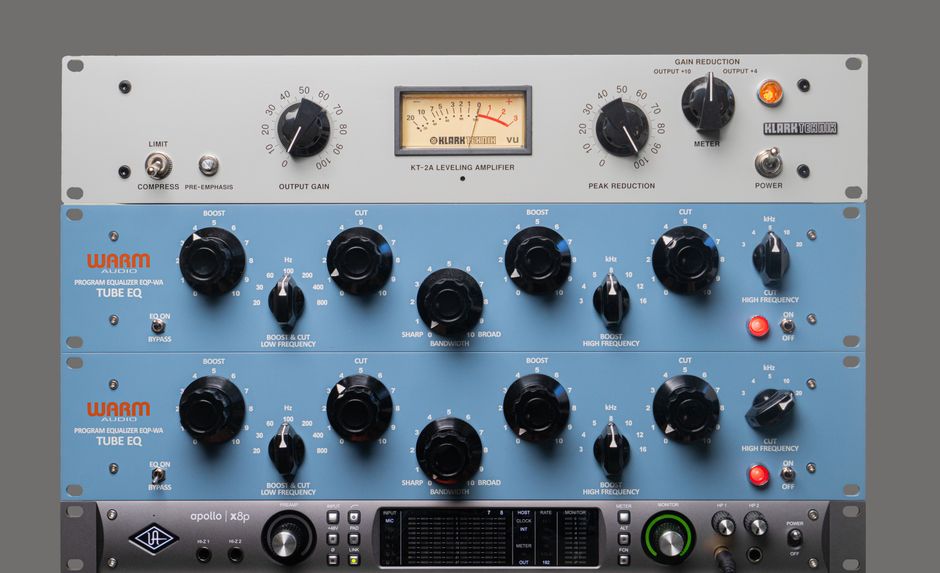
Sonic Integration of Hybrid Genres: Dynamic, Spectral, and Spatial Processing
Mixing techniques to fuse disparate musical styles, optimizing frequencies, dynamics, and spatiality in contemporary productions.
Analog-to-Digital and Digital-to-Analog Conversion: Technical Foundations for Sonic Integrity
Technical analysis of A/D and D/A conversion, key parameters (sample rate, bit depth), and their impact on audio quality.
Analog-Digital Convergence: Technical Analysis of the Contemporary Soundscape
Explore the features, benefits, and challenges of analog, digital, and hybrid mixing in modern music production.