Neural Style Transfer in Vocal Synthesis: Principles, Applications, and Challenges
AI advancements in voice: how style transfer shapes speech for the creative industry.
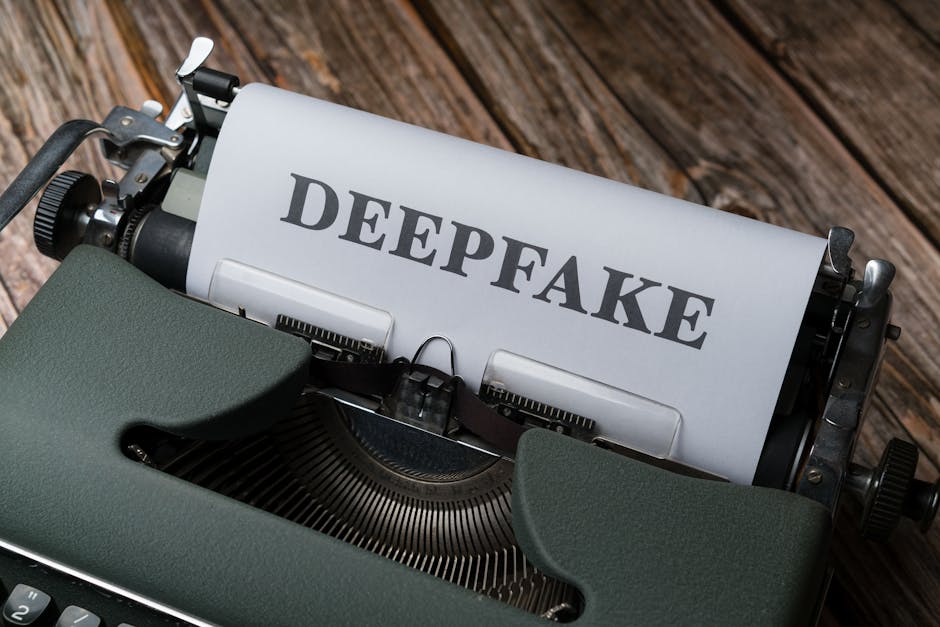
Evolution of Vocal Synthesis and Deep Learning
The evolution of vocal synthesis has marked significant milestones in audio production. From early vocoders to parametric systems, the pursuit of convincing artificial voices has been constant. Currently, neural style transfer techniques in vocal synthesis represent a paradigm shift, redefining creative possibilities for musicians, producers, and developers. This innovative method allows for the generation of speech in a specific voice, while imbuing it with the stylistic characteristics of another, opening up unprecedented applications in the music and entertainment industries.
Traditional vocal synthesis relied on complex articulation models or concatenating pre-recorded audio fragments. However, the advent of deep learning transformed this landscape. Neural models, such as Generative Adversarial Networks (GANs) or Variational Autoencoders (VAEs), learn intricate speech patterns directly from large datasets. These systems not only replicate phonemes but also capture prosody, timbre, and intonation – crucial elements for vocal naturalness. The ability of these algorithms to discern and replicate these subtleties is what lays the foundation for style transfer.
Neural Style Transfer: Separating Content and Style
The process of neural style transfer in vocal synthesis generally involves separating content (what is said) from style (how it is said). A reference model analyzes a source voice to extract its linguistic content, while another component focuses on identifying the stylistic attributes of a target voice, such as pitch, rhythm, emotion, or accent. These elements are subsequently recombined. Cutting-edge tools like VITS (Variational Inference with adversarial learning for Text-to-Speech) or RVC (Retrieval-based Voice Conversion) exemplify these processes. The system learns to manipulate latent speech representations so that the generated voice retains the original message but adopts the “color” and expressiveness of the desired voice. This approach offers granular control over vocal aspects that were previously unattainable without re-recording. For more details on advanced models, consult Google AI Research’s documentation at https://ai.googleblog.com/.
The implications of this technology are vast. In music production, it facilitates the re-voicing of vocal tracks without requiring the original singer’s presence, allowing experimentation with different timbres or genres. It also aids in creating voices for characters in video games or audiobooks, maintaining stylistic consistency. Artists can employ these techniques to generate complex vocal harmonies or explore new sonic identities, as seen in some experimental electronic music projects. However, significant challenges persist. The quality of the generated audio, while remarkably improved, may still lack the richness and nuance of a real human performance. Furthermore, the computational cost for training and running these models is considerable, and ethical concerns regarding the misuse of synthetic voices are a growing topic of debate in the industry. Platforms like Spotify https://www.spotify.com/ are already grappling with the impact of AI in music.
Applications and Challenges of Stylized Synthetic Voice
Research in neural vocal synthesis is advancing at a breakneck pace. Models capable of generating voices with even more precise control over emotions, diction, and idiosyncratic characteristics are on the horizon. The integration of these tools into professional DAWs and audio plugins is intensifying, democratizing access for producers worldwide, including the growing audio community in Argentina and Latin America. Advances presented at AES (Audio Engineering Society) conferences https://www.aes.org/ suggest a future where the interaction between human and synthetic voices will become increasingly fluid and indistinguishable. The implementation of vocal style transfer not only optimizes workflows but also drives new forms of artistic expression, transforming how we conceive of voice in the digital realm.
In summary, neural style transfer in artificial vocalization represents a technological frontier with immense potential. While it presents technical complexities and ethical dilemmas, its evolution promises increasingly sophisticated tools for sound creation. For audio professionals, understanding these mechanisms is fundamental to maximizing the possibilities that artificial intelligence offers to the human voice in the digital age.
Related Posts

Mastering Spatial Audio: Methodologies, Processing, and Technological Challenges in the Music Industry
Immersive audio engineering: adapting techniques, calibrating monitoring, and loudness management for 3D formats.

The Evolution of Musical Sequencing: From Mechanical Devices to Artificial Intelligence
A historical journey through musical sequencing technology, from its mechanical origins to current digital and AI innovations.

Vocal Harmonization: Theoretical Foundations and Digital Processing for Complex Sound Arrangements
Explore harmonic theory and digital tools for creating rich, coherent vocal textures in modern music production.

DBX's Legacy in Dynamic Processing: Innovation, Application, and Sonic Persistence
An analysis of DBX's impact on audio engineering, from its analog compressors to its influence on modern digital production.