Eastcote Studios: Analog-Digital Fusion and Its Impact on British Music Production
An analysis of Eastcote Studios' sonic evolution, from its analog roots to its hybrid adaptation, influencing Britpop.
Genesis and Sonic Philosophy of Eastcote Studios
Recording studios have been, since their inception, crucibles where sonic creativity takes shape. Among these havens of innovation, Eastcote Studios, located in the heart of London, holds a distinctive place in the history of music production. This space not only witnessed the creation of seminal albums but also cultivated a particular sonic philosophy that influenced generations of artists and audio engineers. Its trajectory offers valuable insight into the evolution of recording methodologies and adaptation to the changing dynamics of the industry, a topic that resonates in specialized publications like Sound on Sound.
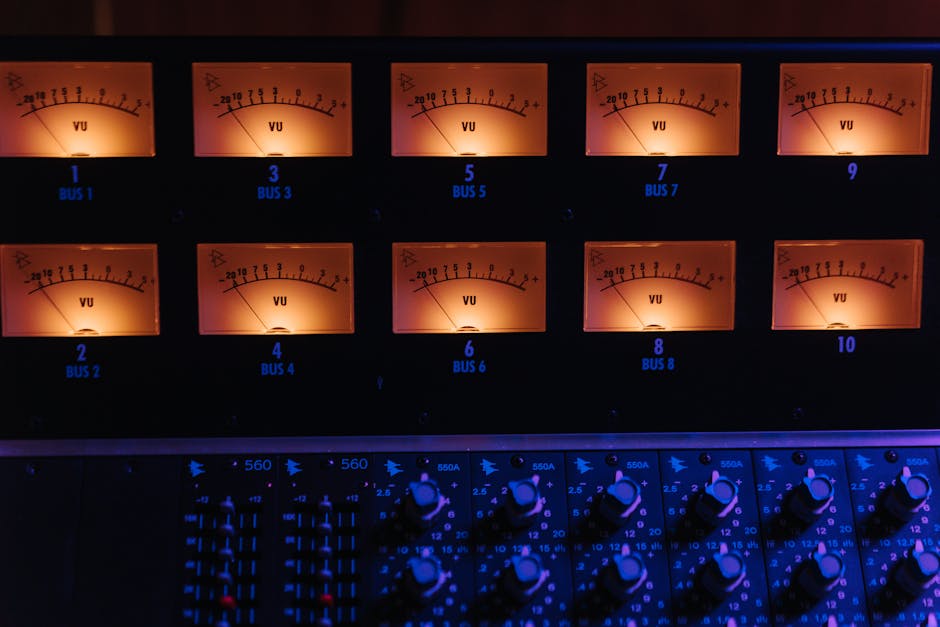
The genesis of Eastcote Studios dates back to the 1980s, an era of musical effervescence and technological transformations. Founded by Philip Bagenal, the studio was conceived with the vision of offering a recording environment that combined the warmth and depth of analog sound with the precision required for contemporary productions. Initially, the equipment included classic analog consoles and multitrack tape machines, elements that defined the sonic character of the time. The meticulously designed acoustics of its rooms facilitated an organic and spacious sound capture, a characteristic appreciated by bands seeking authenticity.
Analog Equipment and Initial Acoustics
Artists such as Suede, in their early works (https://www.suede.co.uk/), found in Eastcote the conducive environment to solidify their distinctive sound. This initial period cemented the studio’s reputation as an epicenter for alternative rock and the emerging Britpop scene, genres that valued experimentation and a raw yet polished sonority. The working methodology prioritized real-time musical interaction, aiming to preserve the energy of live performances. The sound engineers working there were dedicated to understanding the artistic vision, applying mic placement and mixing techniques that enhanced the essence of each project. The choice of large-diaphragm condenser microphones, alongside solid-state preamplifiers, allowed for detailed capture and subtle harmonic coloration.
Over the years, Eastcote Studios demonstrated a remarkable ability to evolve without losing its identity. The 1990s brought a gradual integration of digital technologies, albeit always maintaining a strong anchor in the analog domain. New signal processors were incorporated, such as digital reverbs from Lexicon and delays from Eventide, which complemented the pre-existing analog hardware effects. This hybrid setup allowed producers and artists to benefit from digital flexibility for editing and post-production, while retaining the tonal richness of analog equipment during the main recording and mixing phases.
Hybrid Evolution: Digital and Analog Integration
Renowned engineers, such as Flood and Alan Moulder, who collaborated on significant projects at Eastcote, helped forge its legend. Their technical expertise and artistic vision contributed to defining the sound of iconic albums for bands like The Killers (https://www.thekillersmusic.com/) and Arctic Monkeys (https://www.arcticmonkeys.com/). The implementation of consoles like the SSL 4000 series (https://www.solidstatelogic.com/), recognized for its transparent EQ and VCA compressors, marked a milestone in the studio’s operational capabilities. These technical advancements not only expanded the available sonic palette but also optimized workflows, enabling more efficient and creative recording sessions. The constant renewal of the microphone arsenal, including vintage and modern models, ensured that the studio could offer a varied sonic palette for any instrument or voice.
The impact of Eastcote Studios extends beyond the specific recordings made within its walls. Its focus on acoustic quality, the fusion of analog and digital technologies, and the valuation of musical performance serve as a model for contemporary studios. Today, with the rise of remote production and artificial intelligence in audio, Eastcote’s philosophy highlights the importance of a well-designed physical space and human interaction in the creative process. Many modern plugins, such as those from Universal Audio (https://www.uaudio.com/) or Waves (https://www.waves.com/), strive to emulate the character of the classic gear that was foundational in studios like Eastcote, confirming the enduring appeal of that sound.
Legacy and Influence on Contemporary Music Production
The influence of these historic spaces is evident in how current producers, even in Argentina and Latin America, structure their own hybrid studios, combining the versatility of DAWs like Ableton Live (https://www.ableton.com/en/live/) or Pro Tools (https://www.avid.com/pro-tools) with the warmth of hardware preamplifiers and compressors. The pursuit of a studio’s unique “sonic signature,” an intrinsic characteristic of Eastcote, persists in the digital age. Platforms like Spotify (https://www.spotify.com/) and Bandcamp (https://bandcamp.com/), which drive musical diversity, continue to host productions that, directly or indirectly, draw from the lessons learned in venues like this. Eastcote’s legacy is manifested in the prioritization of musicality over mere technical perfection, a principle that remains fundamental at the forefront of sound production.
Eastcote Studios represents more than just a recording building; it is a testament to the evolution of audio technology and the perseverance of an artistic vision. From its analog beginnings to its adaptation to the digital era, the studio demonstrated that excellence in music production lies in the combination of a superior acoustic environment, cutting-edge equipment, and, crucially, the experience and sensitivity of engineers and producers. Its history teaches us that while the tools may change, the principles of authentic sound and soulful production remain unaltered.
Related Posts

Synthesizer Layering: Sound Design and Processing Techniques
Explore synthesizer layering for complex soundscapes, optimizing timbre, frequency, and texture.

Adaptive Mastering: Sonic Methodologies for Digital Platforms, High-Resolution, and Immersive Audio
Technical analysis of mastering for streaming, Hi-Res, and immersive audio, optimizing sound quality across diverse playback ecosystems.

Unveiling Eruca Sativa's Soul: The Craft Behind Their Haunting Ballads and Mid-Tempos
Explore Eruca Sativa's masterful approach to ballads and mid-tempo tracks, revealing the nuanced artistry that defines their slower, emotional compositions and inspires Latin American artists.

Analysis of Guitar Evolution in Charly García's Work
Technical exploration of guitar integration and development in Charly García's sonic universe.