Deep Learning in Vocal Restoration: Precision and Applications in the Audio Industry
Exploring how deep learning is redefining audio cleanup, from noise reduction to source separation.
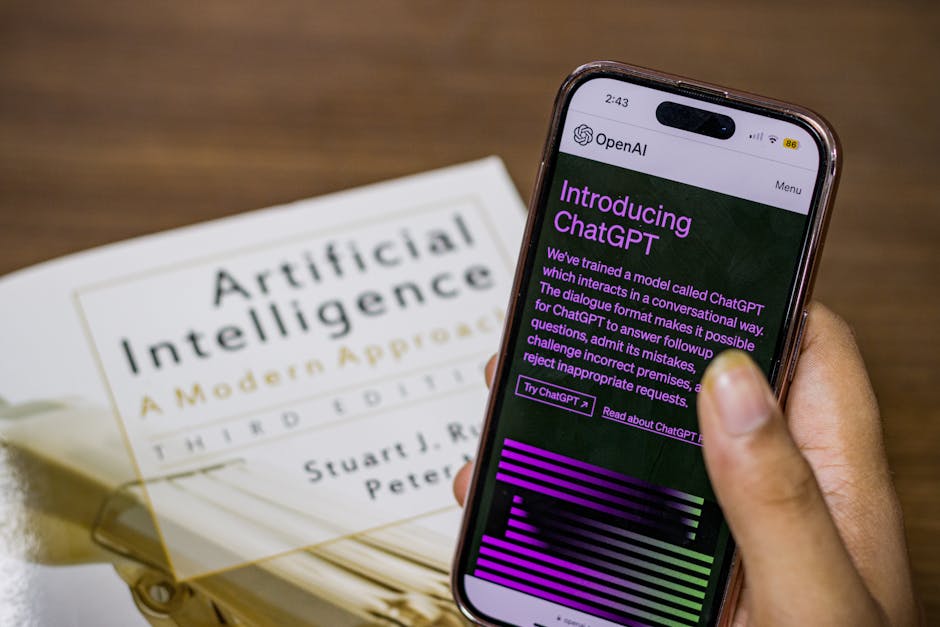
Deep Learning: New Frontiers in Vocal Restoration
Vocal restoration remains a constant challenge in audio production, from recovering historical recordings to cleaning contemporary takes affected by noisy environments. Traditionally, this task relied on a combination of filters, noise gates, and parametric equalization. While effective, these methods often introduced artifacts or required extensive manual intervention. However, the advent of deep learning has radically redefined this field, offering tools with unprecedented ability to discern and isolate the human voice from unwanted elements with astonishing precision. This technology not only streamlines processes but also enables restorations previously considered unfeasible.
Essentially, deep learning applied to audio is based on complex neural networks trained on vast datasets. These networks, often employing architectures like Generative Adversarial Networks (GANs) or U-Net models, learn to identify acoustic patterns inherent to the human voice, distinguishing them from noise, reverberation, or instrumentation. The process involves feeding the model thousands of hours of “clean” and “noisy” vocal recordings, allowing it to understand how to transform a degraded signal into an optimized version. This intensive training equips artificial intelligence to generate an ideal representation of the voice, eliminating imperfections and enhancing clarity. The capacity of these networks to model the spectral and temporal characteristics of speech in great detail is what grants them their transformative power.
Neural Architectures for Voice Processing
The applications of this methodology are diverse and are profoundly impacting the industry. One of the most widespread is noise reduction, where algorithms can effectively suppress tape hiss, electrical hum, broadband background noise, and even clicks and pops from old recordings. Tools like iZotope RX, a benchmark in the sector (more information at iZotope), incorporate deep learning-based modules that allow for surgical audio cleanup. Another crucial application is source separation, a technique that enables the isolation of a vocal track from a complete musical mix or the differentiation of individual voices in recordings with multiple speakers. This is particularly useful in film and television post-production, podcasting, and for creative remixes. Dereverberation, the removal of excessive room echo, is another area where AI excels, reconstructing a “dry” vocal signal from a take with too much acoustics. Furthermore, its use is observed in improving overall speech intelligibility, making voiceovers or dialogues more comprehensible in challenging environments. Companies like Waves, with their Clarity Vx plugin (details at Waves Audio), and Accentize, with Chameleon, are at the forefront, providing solutions that simplify complex tasks and elevate audio quality in all types of productions. These advancements are particularly valuable in the context of remote production, where recording conditions are often less than ideal and robust post-processing is required.
However, the implementation of these techniques is not without its challenges. The generation of artifacts—unwanted sounds resulting from excessive processing or poorly trained models—is a constant concern. There is also the risk that AI might subtly alter the original artistic intent of a vocal performance if not applied judiciously. The quality and bias of training data are critical; a model trained predominantly on certain types of voices may perform less effectively with others. Therefore, human supervision remains indispensable. Audio engineers must apply their professional judgment to adjust the parameters of these algorithms and ensure the final result is transparent and musical. Ethics also raise questions, especially with the rise of voice “deepfakes,” where AI can replicate or generate realistic voices, prompting reflection on the responsible use of these technologies.
Practical Applications and AI Tools in Audio
The future of deep learning-based vocal restoration promises to be even more impactful. Greater integration of these capabilities directly into Digital Audio Workstations (DAWs) is anticipated, facilitating real-time workflows. Research is advancing towards more sophisticated models that not only restore but can also apply creative effects intelligently, adapting to the musical context. The production of content for immersive formats like Dolby Atmos, which demand extremely precise audio cleanup and spatialization, will benefit greatly from these innovations. Furthermore, the accessibility of these tools will continue to democratize high-quality audio production, enabling independent content creators and musicians to optimize their recordings with resources previously reserved for elite studios. The constant evolution in model training and algorithm optimization indicates a horizon where the voice can be treated with a flexibility and fidelity that challenge current limitations.
Related Posts

Mastering for Streaming: Optimizing Loudness and Dynamics with LUFS
Mastering optimization for streaming platforms, focusing on LUFS, True Peak, and dynamic processing for optimal listening.

Analyzing Wow and Flutter's Impact on Analog Audio Fidelity and Restoration Methods
An investigation into speed fluctuations in analog audio, their mechanical origins, audible effects, and advanced digital restoration solutions.

Pro Tools: Architecture, Workflow, and Audio Processing for Contemporary Production
Exploring Pro Tools architecture, workflow optimization, and advancements in AI audio processing and immersive production.

Cinematic Audio Composition and Processing: Modern Techniques and Workflows
Exploring compositional techniques, technological integration, and immersive audio production for contemporary cinematic music.