Neural Voice Synthesis: Architectures, Applications, and Ethical Challenges in Sound Production
Exploring AI models for realistic voice generation, their creative applications, and ethical considerations in the industry.

Neural Architectures for Advanced Vocal Synthesis
The creation of artificial voices has transcended the boundaries of science fiction, establishing itself as a fundamental tool in contemporary sound production. Advances in artificial intelligence, particularly with the implementation of neural networks, have revolutionized vocal synthesis, enabling the generation of speech and singing with unprecedented naturalness and expressiveness. This constantly evolving field offers producers, musicians, and developers new avenues for auditory innovation.
Architectural Models for Neural Vocal Generation
The core of neural network-based vocal synthesis lies in deep learning architectures that transform text into sound waveforms. Initially, systems like Tacotron 2 [https://google.github.io/tacotron/publications/tacotron2/index.html] introduced a seq2seq approach to generate mel spectrograms from text, which were then converted into audio by neural vocoders such as WaveNet [https://deepmind.com/blog/wavenet-generative-model-raw-audio]. WaveNet, developed by DeepMind, distinguished itself by its ability to model the audio waveform directly, producing exceptionally realistic sound. Subsequently, architectures like VITS (Variational Inference with adversarial learning for Text-to-Speech) consolidated end-to-end vocal synthesis, enabling a more efficient process with greater control over expressiveness. These models process input text, encode it into latent representations, and, through synthesis modules, construct the final audio. The accuracy of these systems in replicating vocal intonation, rhythm, and timbre represents a significant qualitative leap in human-machine interaction and creative production.
Industrial Applications and Creative Potential of Artificial Voices
Applications and Creative Potential in the Audio Industry
The versatility of neural vocal synthesis drives its application across a wide range of sectors. In the music industry, it enables the creation of voices for demos, artificial choirs, or even the recovery and revival of historical vocal timbres, offering composers tools to experiment with vocal textures without limitations. Artists and producers are already integrating these technologies to explore new sonic dimensions in genres ranging from electronic folklore to trap. In film and television production, voice cloning and dialogue generation facilitate content dubbing and localization, as well as the creation of unique sound effects. Video games employ these techniques to voice non-player characters with great flexibility and at a lower cost. Furthermore, accessibility is substantially improved through text-to-speech for individuals with visual or speech impairments, utilizing voices that exhibit remarkable naturalness, thereby facilitating interaction with devices and digital content. The ability to adjust parameters such as speed, pitch, and emotion grants developers granular control over the final output, opening a spectrum of creative possibilities [https://www.youtube.com/watch?v=F_fP_m315rU].
Ethical Challenges and Future Projections of the Technology
Ethical Considerations and Future Projections in Vocal AI
Despite their impressive capabilities, neural vocal synthesis faces significant challenges. Ethical concerns surrounding identity theft, audio ‘deepfakes,’ and the intellectual property of artificially generated voices necessitate robust regulatory frameworks. The industry is working on developing mechanisms to identify AI-generated content and protect artists’ rights. From a technical perspective, naturalness and the ability to express complex emotions still require refinement. Current models can produce convincing voices, but the subtlety of human performance, with its unique inflections and nuances, remains an active area of research. The computational cost associated with training and running high-fidelity models continues to be a factor, although algorithm optimization and more powerful hardware are mitigating this aspect. The future envisions even more expressive and adaptable systems, capable of learning and replicating specific singing styles, generating multilingual voices with authentic accents, and offering real-time synthesis control that allows users to interact fluidly with artificial voices. The integration of these innovations promises to further transform how we produce, consume, and create auditory content, from a studio in Buenos Aires to a lab in Silicon Valley.
The evolution of neural network-based vocal synthesis represents an exciting frontier in audio technology. With each advancement, creative possibilities expand, and the limits of what is achievable in sound production are redefined. Responsible adoption and continuous research are key to fully harnessing the potential of these tools, ensuring their development benefits the global community of creators and listeners.
Related Posts

Minimalist Music Production: Sonic Sculpting Through Essence, Texture, and Space
In-depth analysis of minimalist production: sonic selection, silence management, and mixing techniques for clarity and depth.
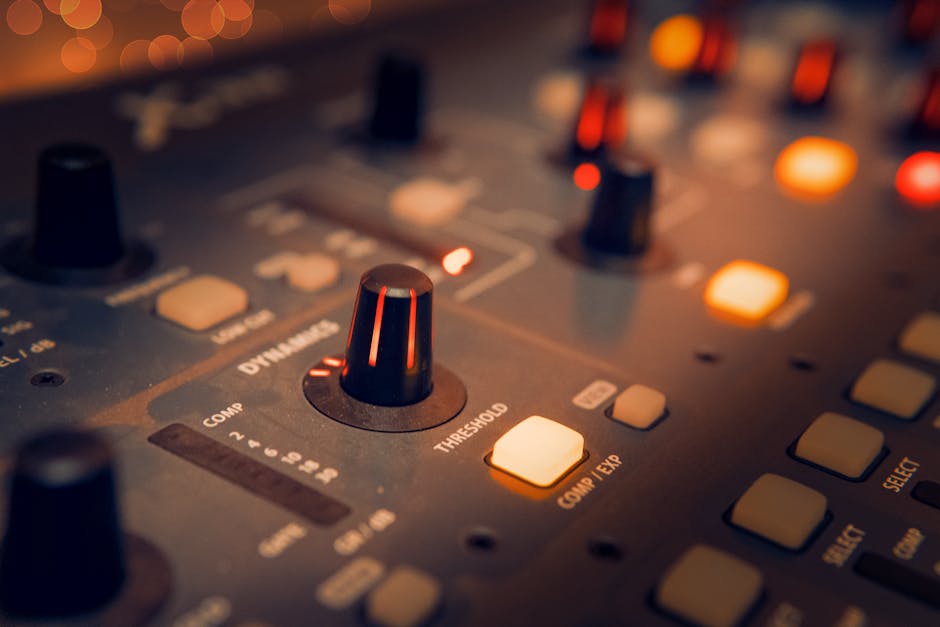
Sonic Capture of Exotic Resonant Instruments: Physics, Microphony, and Advanced Processing
Technical analysis of recording and processing techniques for exotic instruments, preserving their harmonic richness and unique resonance.
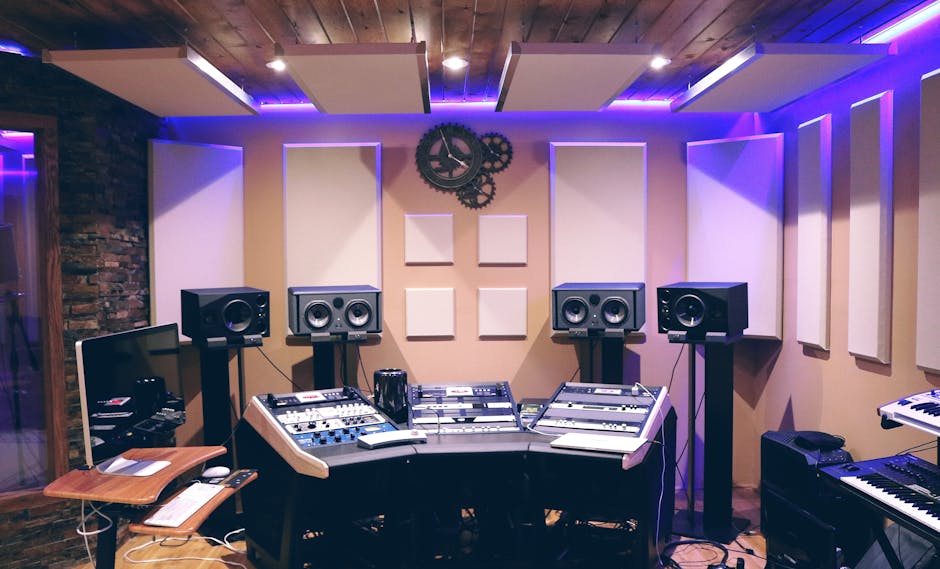
Nearfield vs. Midfield Monitors: Acoustic Impact and Technical Selection
Comparative analysis of nearfield and midfield monitors, their acoustic characteristics, and selection criteria for audio studios.

The Evolution of Delay: From Acoustic Echoes to Immersive Digital Processing
A technical analysis of the historical trajectory of the delay effect, from its origins to contemporary applications in spatial audio and AI.