Harrison Mixbus: Integrating Analog Console Processing into Hybrid DAWs
An analysis of Harrison Mixbus's mixing architecture and its application in contemporary music production workflows.

Hybrid Mixing Architecture: Emulating Harrison Consoles
Contemporary music production constantly faces challenges in achieving sonic quality that blends digital efficiency with the warmth and character of analog systems. In this context, Harrison Mixbus emerges as a digital audio workstation (DAW) that integrates the renowned mixing technology of Harrison consoles within a software environment. This hybrid approach offers engineers and producers a distinctive mixing experience, grounded in the inherent signal processing of its buses and channels, contributing to a unique sound signature from the outset of the process.
The core of Harrison Mixbus lies in its mixing architecture, which emulates the signal flow of the company’s analog consoles. Each channel and mix bus includes a three-band equalizer, a compressor, and a limiter, all designed with the same high-fidelity audio philosophy that defines Harrison. This integration circumvents the need for overwhelming external plugins in the initial stages, streamlining the workflow and enabling fundamental sonic decisions from the project’s setup. The summing of buses, a critical aspect of its design, processes the signal with an emulation of the harmonic distortion and saturation characteristic of analog circuits, imparting cohesion and depth that is difficult to achieve with generic DAWs. This fixed-point processing method ensures sonic consistency throughout the project, from recording to final export. Users can, for example, record live drums or acoustic instruments and immediately perceive how the console’s character is applied, shaping the sound in real-time. This feature is particularly valuable in the era of hybrid production, where the interaction between hardware and software is increasingly significant.
Integrated Signal Processing: Analog Quality in a DAW
The implementation of a virtual console-centric workflow offers significant operational advantages. Mixbus is built upon the codebase of Ardour, an open-source DAW, granting it considerable stability and flexibility. It supports high-quality multitrack recording, precise audio and MIDI editing, and efficient project management. While its design prioritizes mixing, its capability to host VST and AU plugins extends its functionality, allowing professionals to integrate third-party tools for specific tasks such as advanced synthesis or specialized effects processing. For instance, a producer could use their favorite amp modeling plugins or complex virtual instruments, while simultaneously benefiting from Mixbus’s native bus summing and channel processing. This synergy between internal processing and expansion capabilities positions it as a versatile tool for various production stages, from composition to pre-mastering. The efficiency it provides by reducing the need to configure complex plugin chains on each track is a determining factor for studios aiming to optimize their delivery times without compromising quality.
Analyzing advanced applications, Mixbus integrates effectively into studios operating with hybrid or entirely digital configurations. Its focus on mix quality and analog coloration makes it an attractive option for projects demanding a sound with character, such as rock, jazz, or folk music productions. The capacity of its audio engine to handle a large number of tracks and buses with real-time processing makes it suitable for complex projects. Furthermore, in the current landscape, where the demand for high-resolution audio and immersive experiences is growing, Mixbus’s sonic foundation can serve as a solid base for mixes that will later be adapted for formats like Dolby Atmos or spatial audio, complementing the specific tools for these standards. Its continuous development, in collaboration with the Ardour community, ensures constant updates and improvements, keeping the platform relevant amidst technological innovations. This commitment to evolution positions it as a robust choice for professionals investing in long-term software solutions. A practical example could be mixing a tango or folk band, where the warmth and presence of acoustic instruments are paramount, and Mixbus’s processing can organically enhance these qualities.
Virtual Workflow: Ardour’s Stability and Flexibility
In summary, Harrison Mixbus represents a successful convergence of analog audio engineering and digital software flexibility. Its virtual console architecture, signal processing on each channel and bus, and its robust audio engine provide professionals with a powerful tool for creating mixes with a distinctive sonic character. The integration of its design philosophy with the expandability offered by external plugins establishes it as a versatile and efficient solution for modern workflows. For those seeking an alternative to conventional DAWs, with a particular emphasis on sonic quality and a more tactile mixing approach, Mixbus offers a compelling proposition that deserves consideration in today’s music production landscape. More information on its technical features and applications can be found on the official Harrison Consoles website at https://harrisonconsoles.com/ or by exploring the documentation of its foundation in Ardour at https://ardour.org/.
Related Posts
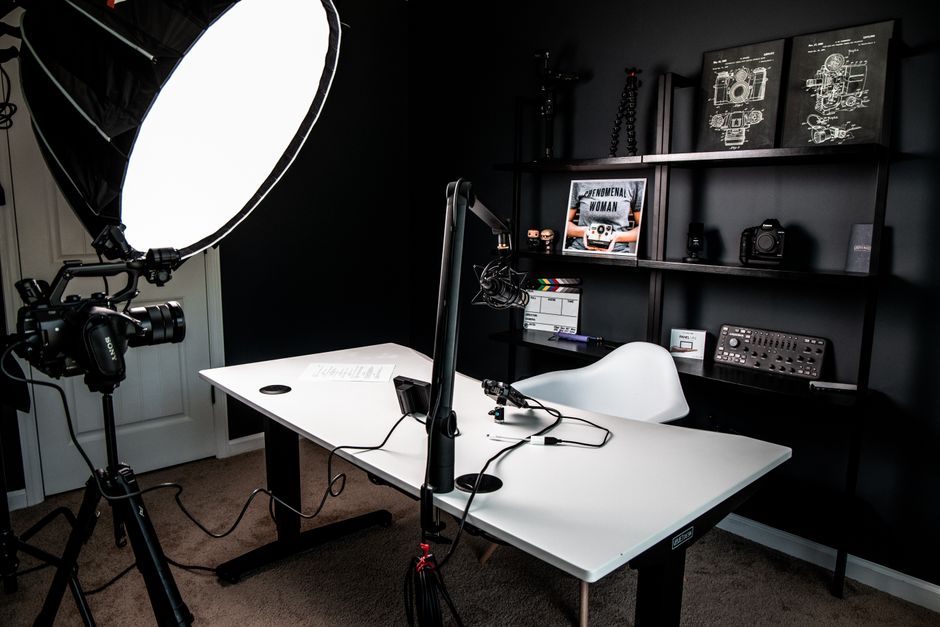
Budget Home Studio Setup: Components and Acoustics for Music Production in Latin America
Resource optimization for home studios. Selecting affordable hardware, acoustics, and software for quality music production.

Power Station NYC: Acoustic Design and Technological Evolution in Audio Engineering
Exploring Power Station's acoustic legacy and its adaptation to modern music production, from analog to AI.

Graphic vs. Parametric Equalizers: Features and Applications in Audio Production
Technical comparative analysis of graphic and parametric equalizers: their fundamentals, optimal uses, and application in music production.

The Sonic Craft of La Renga: Studio Secrets Behind Their Unmistakable Sound
Explore how La Renga captures their raw, powerful live energy in studio recordings, offering insights for Latin American rock producers.