Frequency Adaptive Compression: Advanced Spectral Dynamic Control in Music Production
Analyzing frequency adaptive compression for spectral dynamics, optimizing mixes, and refining tonal balance.
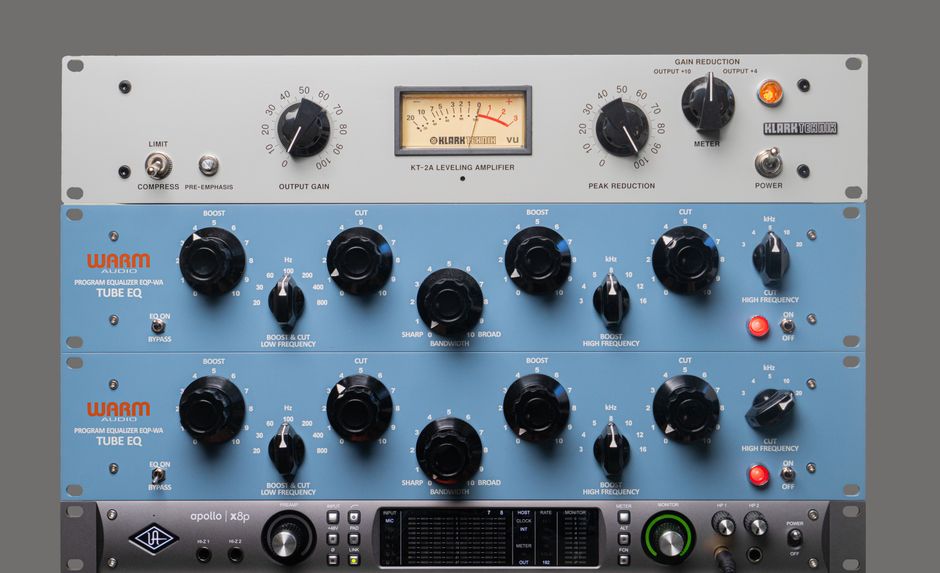
Frequency Adaptive Compression: Principles and Mechanisms
The pursuit of impeccable tonal balance and precise dynamic control is a fundamental pillar in contemporary music production. While traditional compression operates globally across the entire audio spectrum, frequency adaptive compression emerges as an advanced methodology, offering surgical intervention on sound. This technique allows for the dynamic shaping of specific frequency ranges, intelligently reacting to the spectral variations of the audio material. Its implementation represents a qualitative leap in engineers’ ability to refine mixes, addressing issues of resonance, masking, and lack of clarity with unprecedented effectiveness.
The underlying principle of frequency adaptive compression lies in real-time spectral analysis. Unlike a static multiband compressor, which divides audio into fixed bands and applies constant compression to each, adaptive systems dynamically identify and respond to peaks or dips in specific frequencies only when they occur. This is achieved through complex algorithms that monitor harmonic and transient content, applying selective and momentary gain reduction in problematic regions. Key parameters include threshold, ratio, attack and release times, and the selection of the band or frequency point to be processed. The precision of this tool allows for the attenuation, for example, of a bothersome resonance in an acoustic guitar only when it manifests, preserving the instrument’s overall energy and character. The difference with a dynamic equalizer is subtle but important: while the latter adjusts gain based on a threshold, frequency adaptive compression goes further, applying dynamic range reduction contextually and with compressor parameters.
Practical Applications in Audio Processing
This methodology finds numerous applications in the studio. On vocals, it is invaluable for controlling excessive sibilance or chest resonance without dulling natural brightness. On bass, it allows for containing uncontrolled low frequencies that could muddy the mix, while maintaining punch and definition. For drums, it helps manage the harmonics of cymbals or snares, preventing them from dominating the soundscape. A concrete example is its use in podcast post-production, where microphones can pick up ambient noise or room resonances, which this technique can attenuate non-destructively. In mixing music for streaming platforms, where tonal consistency is crucial, frequency adaptive compression ensures that key elements maintain their presence without overloading the spectrum. The optimization of a mix’s overall spectral balance is enhanced, resulting in greater clarity and cohesion.
The advancement of artificial intelligence (AI) and machine learning is redefining the boundaries of this technique. Numerous modern plugins, such as those from iZotope or FabFilter, incorporate advanced spectral analysis modules that suggest adjustments or even automate parts of the process, streamlining the workflow. Integration with immersive mixing environments, like Dolby Atmos, is another area of development, where precise control of each sound object in a three-dimensional space greatly benefits from the ability of frequency adaptive compression to manage complex interactions. Remote and collaborative music production is also enhanced, as this tool facilitates the correction of acoustic inconsistencies across different recording environments. The ability to identify and mitigate specific frequency problems contributes to a more polished and competitive sound in an increasingly demanding market. For those seeking to delve deeper, companies like Universal Audio (https://www.universal-audio.com) and FabFilter (https://www.fabfilter.com) offer educational resources and cutting-edge tools that exemplify these innovations.
Innovations and Future of Spectral Compression
The effective implementation of frequency adaptive compression requires critical listening and a deep understanding of the material. It is advisable to start with subtle adjustments, focusing on the most problematic frequencies. Monitoring with reference headphones or calibrated studio monitors is essential for accurately identifying spectral regions that require attention. It is suggested to use this tool as a refinement method, not as a drastic solution to recording problems. Overuse can lead to a “pumped” or unnatural sound, where dynamics seem artificially altered. The key lies in applying compression transparently, so that the listener perceives an improvement in clarity and balance without noticing the processor’s intervention. Experimenting with attack and release times, as well as the bandwidth of the affected frequency range, will allow for optimizing the result for each musical context.
Frequency adaptive compression represents a powerful tool for the modern audio engineer. Its ability to selectively manage dynamics in the frequency domain offers a level of control and precision unattainable with conventional methods. From cleaning up recordings to the final polishing of a mix, its application significantly contributes to achieving high-quality sonic results. By integrating this technique into the workflow, producers can elevate the clarity, cohesion, and professionalism of their productions, staying at the forefront of audio processing innovations.
Related Posts

Microtiming, Dynamics, and Spatialization: Sculpting Organic Groove in Music Production
Technical analysis of how microtiming, dynamics, and spatialization define music's rhythmic character and emotional resonance.

Brainwave Synthesis: Mapping Neural Activity to Sound Parameters via EEG
Research on translating EEG patterns into sound, exploring methodologies, musical, and therapeutic applications.

Reason: Evolution from Modular DAW to Cross-DAW Plugin
An analysis of Reason's evolutionary path, from its modular design to its VST/AU plugin integration and expanded ecosystem.

Cross-Modulation in Sound Synthesis: Mechanisms, Applications, and Timbral Frontiers
Explore AM, FM, and ring modulation for sculpting complex soundscapes and innovative textures in music production.