Creative Vocal Processing: Pitch and Formant Manipulation in Sound Design
Technical analysis of vocal pitch processing's evolution from correction to sound design tool and its impact on music production.

Tonal Processing: From Correction to Sonic Texture
Vocal pitch manipulation, traditionally associated with correcting imperfections, has transcended its initial function to become a fundamental tool in contemporary sound design. In today’s music production landscape, the creative application of pitch correction algorithms allows engineers and artists to sculpt vocal textures far beyond mere harmonic perfection. This evolution transforms pitch processing into a distinctive element for artistic expression, paving the way for innovative sounds and genre-defining styles.
Beyond subtle rectification, tonal modulation offers a broad spectrum of artistic possibilities. A widely implemented technique is the hard-tune effect, which aggressively snaps notes to a predefined scale, generating a robotic, synthetic sound emblematic of genres like trap and electronic pop. Popularized by iconic artists, this effect is achieved by adjusting parameters such as attack speed and sensitivity to extreme values, creating an unmistakable vocal texture.
Another approach involves altering vocal formants, which are the resonances of the vocal tract. By modifying these parameters, it’s possible to radically transform a voice’s character, from a deeper, more masculine quality to a higher, more ethereal one, without changing the fundamental pitch. This allows for the creation of vocal characters or the fusion of voices with instrumental textures, adding a layer of originality to the mix. The creation of artificial harmonies is another valuable application. Using harmonization modules integrated into pitch processors, producers can generate complex backing vocals from a single vocal track. This functionality not only enriches the harmonic texture but also streamlines the vocal arrangement process, offering real-time flexibility to experiment with different progressions and voicings.
Tonal Modulation: Effects and Vocal Formant Alteration
The integration of vocal processing into contemporary workflows extends to interaction with other effects and technologies. For instance, combining the hard-tune effect with rhythmic delays and long-tail reverbs can produce immersive vocal soundscapes, ideal for ambient or experimental genres. Pitch can be manipulated via MIDI controllers, effectively turning the voice into a melodic instrument that the artist can “play” in real-time, opening new avenues for performance and composition.
In the context of current music production, the application of these techniques is influenced by advancements like immersive audio. In mixes for formats such as Dolby Atmos, creatively processed vocals can be positioned in three-dimensional space, adding an unprecedented spatial dimension to pitch effects. This requires an understanding of how pitch and formant shifts interact with spatialization, enabling engineers to design enveloping auditory experiences. Remote collaboration, an increasingly common practice, also benefits from the flexibility offered by these processors. Artists can record vocals in different locations, and an engineer can then apply these creative techniques to unify the sound or impart a distinctive character, facilitating cohesive artistic direction across distances.
The audio technology sector constantly introduces innovations that expand the capabilities of vocal processing. Recent plugins, many powered by artificial intelligence, offer unprecedented granularity and control over pitch, timing, and formants. Tools like Antares Auto-Tune Pro X or Celemony Melodyne Studio, alongside emerging solutions such as Synchro Arts RePitch, allow producers not only to correct but also to re-synthesize and reimagine vocal performances with surgical precision. These advancements enable the creation of effects that were previously unfeasible or extremely complex to achieve.
Integrating Effects and Technologies in Vocal Processing
A crucial aspect when implementing these techniques is the subtle interaction with the original performance. While creative processing can add unique character, it’s essential to preserve the vocalist’s emotion and intent. Experienced producers consider the balance between technological intervention and human authenticity, using pitch effects as an enhancement or extension of expression, not a replacement. The choice of scale, quantization, and sensitivity are artistic decisions that define the direction of the final sound.
Furthermore, understanding how these effects influence the overall mix is vital. A heavily pronounced hard-tuned vocal might require different frequency and dynamic space within the mix to coexist with other instruments. Spectral analysis and dynamic processing, such as multiband compression or sidechaining, become essential tools for integrating these processed vocals coherently and powerfully.
In summary, vocal pitch processing has transcended its corrective role to become a powerful tool for sound design and artistic expression. From creating robotic effects to generating complex harmonies and manipulating formants, the possibilities are vast. Continuous technological evolution, driven by artificial intelligence and new production methodologies, ensures that the creative potential of the voice continues to expand. For producers and artists worldwide, understanding and applying these techniques represents an opportunity to forge unique sonic identities and contribute to the vanguard of contemporary music, enriching every production with a singular and distinctive voice.
Related Posts

Harmonic Distortion Fundamentals: Timbral Character and Sound Perception in Audio
Understand the addition of even and odd harmonics and their psychoacoustic impact on shaping timbre.

The Historical Evolution of Sampling: From Magnetic Tape to Digital Sound Design
Trace the development of the sampler, from pioneers like Schaeffer to AI, redefining music creation.
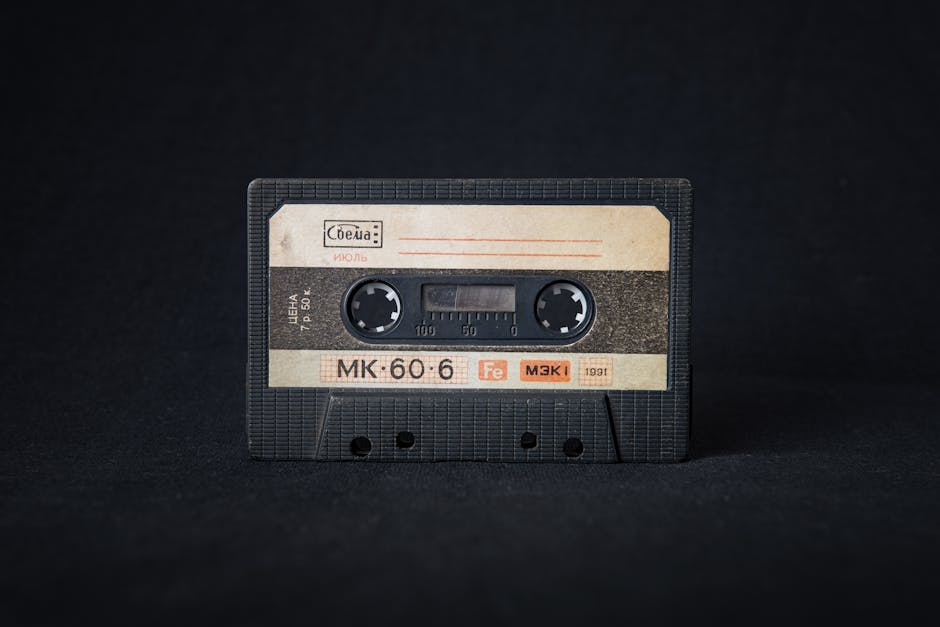
Wow and Flutter: Technical Analysis of Speed Fluctuations and Their Impact on Audio Fidelity
Understand speed variations in audio, their quantification, mitigation in restoration, and creative emulation in modern productions.

Vocal Comping: Integrating Multiple Takes for a Cohesive and Emotional Vocal Performance
Technical analysis of vocal comping: selection, alignment, and pitch correction to optimize vocal performance in music productions.