Capturing Vintage Electronic Instruments: Electrical, Acoustic, and Processing Considerations for Modern Productions
Preserving analog warmth: recording, preamplification, EQ, and compression techniques for integrating classic synths and drum machines.
Technical Considerations for Capturing Vintage Instruments
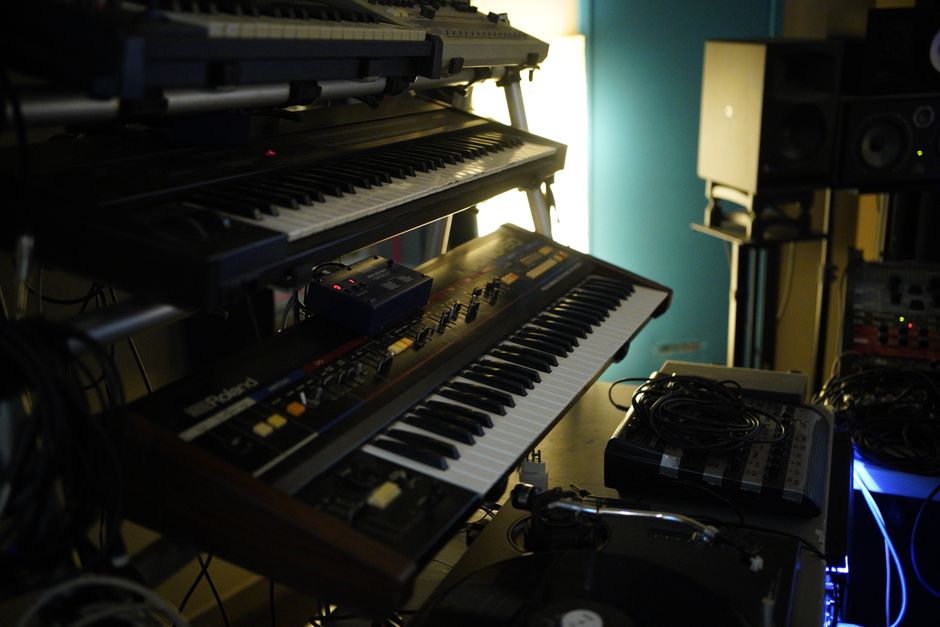
The characteristic sound of vintage electronic instruments holds an enduring fascination in contemporary music production. From the analog synthesizers of the 1970s and 1980s to classic drum machines, these devices offer a timbral palette rich in harmonics and a warmth that distinguishes them from their digital counterparts. Effectively capturing their essence requires a deep understanding of their electrical and acoustic particularities, as well as the application of recording methodologies that preserve their integrity while integrating them into current production environments. This analysis addresses the essential technical considerations for recording these sonic artifacts, optimizing their presence in modern mixes, and leveraging technological innovations for their enhancement.
The initial phase in recording vintage gear is crucial for maintaining its sonic character. Older electronic instruments often present different output impedances than modern equipment, which can result in signal loss or altered frequency response if not handled correctly. The use of high-quality direct boxes (DI boxes) is fundamental. Some passive DI units, with top-tier audio transformers, can impart a desirable coloration, while active DIs offer a more transparent and powerful signal, ideal for gear with low-level outputs. The choice of preamplifier also influences significantly. A transformer-based preamplifier, such as those based on Neve or API designs, can add subtle harmonic saturation that complements the inherent warmth of analog synthesizers. For a more pristine capture, a transparent preamplifier like those from Millennia Media or Grace Design is preferable. It is vital to ensure optimal input levels to the audio interface, avoiding both digital clipping and a signal that is too low, which could introduce noise. Current audio interfaces, such as those from Universal Audio or RME, offer high-fidelity converters that preserve the quality of the captured audio.
Initial Processing: EQ and Compression for Clarity
Once the clean signal is recorded, initial processing aims to refine and position the vintage instrument within the mix. Subtractive equalization (EQ) is often the first tool; it involves identifying and attenuating resonant or problematic frequencies that might muddy the mix. Vintage synthesizers, for example, can have a very powerful low-end range that requires a gentle low-cut filter to avoid masking the kick drum or bass. Precise parametric equalizers, whether in plugin or hardware format, are indispensable for this task. Compression, applied judiciously, can enhance presence and perceived dynamics. An optical or VCA-style compressor, with attack and release times adjusted for the material, can unify the performance without crushing its natural dynamics. Plugins that emulate classic compressors like the LA-2A or 1176, available on platforms like UAD Spark or Native Instruments, allow for the application of these historical textures in a digital environment. Applying subtle harmonic saturation, whether through tape (like from iZotope or Waves) or tube emulations, can add density and cohesion, simulating the behavior of vintage analog gear.
The true skill lies in integrating these classic sounds with current production trends. Re-amping, for instance, allows sending a clean synth signal to a miked guitar or bass amplifier, merging synthesis with the resonance of a real acoustic space. This methodology adds an organic dimension and a sense of ‘air’ that is difficult to replicate digitally. In the realm of spatial effects, applying convolution reverbs with impulses from vintage echo chambers or natural spaces can imbue instruments with authentic depth. Plugins like Altiverb or Valhalla DSP offer a vast library of these IRs. Furthermore, current music production benefits from artificial intelligence (AI), which can assist in tasks such as source separation, audio quality enhancement, or even generating melodic variations. AI tools for mastering, like iZotope Ozone, can optimize the spectral balance of a mix containing vintage elements, ensuring sonic coherence. The adoption of immersive audio formats, such as Dolby Atmos, also opens new possibilities for vintage instruments. Their unique character can be positioned in a three-dimensional space, offering enriched listening experiences. Remote collaborative production, facilitated by platforms like Splice or SoundBetter, allows producers from Buenos Aires and across Latin America to share and process these recordings with global collaborators, expanding the reach of these timeless sounds.
Integrating Classic Sounds with Modern Technologies
Recording vintage electronic instruments constitutes a bridge between music history and its future. By understanding the technical particularities of this equipment and applying meticulous capture and processing methodologies, producers can preserve their inherent charm. Integrating these practices with current tools and trends, from emulation plugins to AI technologies and immersive formats, not only ensures the relevance of these sounds in the music scene but also drives creative innovation. The combination of analog warmth with digital precision continues to define a sonic aesthetic that resonates with audiences worldwide.
Related Posts

Psychoacoustics and Measurement Tools for Virtual Presence in Immersive Audio
Exploring psychoacoustic indicators and technical tools for modeling spatial sound perception in modern productions.

Multi-Microphone Techniques and Processing for Choral Recording: Clarity and Spatial Cohesion
Microphone techniques, phase management, and digital processing to capture harmonic richness and spatiality in choral recordings.

Reason: Evolution from Virtual Studio to Full DAW and Modular Plugin
Analysis of Reason's development, from its virtual rack to plugin and DAW integration, highlighting its constant innovation.

Synthesis and Digital Processing in Contemporary New Age Production
Technical analysis of virtual instruments, field recordings, and immersive audio in New Age creation.