Cubase: Evolving MIDI Sequencing to Immersive Digital Audio Production
An analysis of Cubase's journey from its MIDI origins to innovations in spatial audio and AI for music production.
Origins and Early Evolution of Cubase
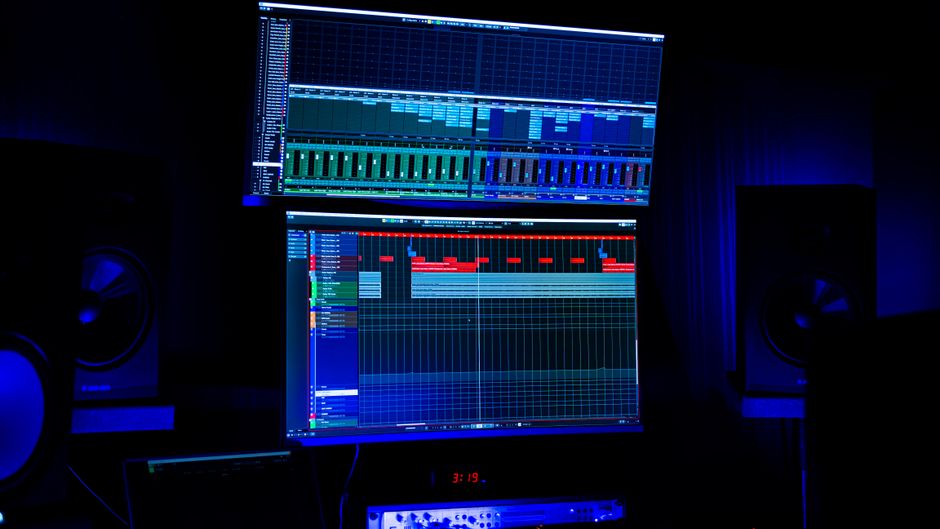
The journey of Cubase, from its beginnings as an MIDI sequencer for the Atari ST to becoming a comprehensive digital audio workstation (DAW), represents a fundamental pillar in the evolution of music production. This software, developed by Steinberg, has witnessed and participated in technological transformations that redefined the recording studio, democratizing access to high-fidelity tools and expanding creative possibilities for composers and producers worldwide.
Cubase’s origins date back to 1989, when C-Lab released the first version for the Atari ST. In an era dominated by hardware, this application distinguished itself with its intuitive approach to MIDI sequencing, allowing musicians to program virtual instruments and external synthesizers with unprecedented flexibility. The graphical interface, pioneering for its time, offered a clear visual representation of MIDI data, facilitating composition and arrangement. Over time, the platform expanded to other operating systems like Mac and Windows, adapting to the growing demands of a constantly changing industry and solidifying its position as an essential tool for music creation.
The VST Revolution: Integrating Audio and MIDI
A momentous milestone occurred in the late 1990s with the introduction of Cubase VST (Virtual Studio Technology). This innovation not only integrated digital audio recording and editing with MIDI sequencing into a single application but also established an open standard for effect plugins and virtual instruments. The impact of VST was revolutionary, enabling third-party developers to create a vast library of tools that integrated directly into the DAW. This eliminated the need for expensive hardware equipment, transforming home studios into professional production environments. The evolution continued with Cubase SX/SL, and the Nuendo version positioned itself as a robust solution for audio and video post-production, demonstrating the versatility and scalability of Steinberg’s engine.
In the following decades, Cubase has continued its path of innovation, incorporating advanced functionalities that meet the demands of contemporary production. The implementation of the ASIO (Audio Stream Input/Output) protocol has ensured minimal latency, essential for real-time recording and monitoring. Tools like VariAudio for tonal and temporal manipulation of vocal recordings, Chord Tracks for harmonic assistance, and the powerful MixConsole for mixing have significantly optimized workflows. More recently, the integration of capabilities for immersive audio, such as support for Dolby Atmos and Ambisonics, places Cubase at the forefront of current trends in sound design. Likewise, the software adapts to the growing relevance of artificial intelligence in music, offering modules that assist in composition, idea generation, and audio processing, reflecting its commitment to technological advancement and collaborative cloud production methodologies, elements increasingly relevant for content creators in our region.
Technical Innovations and Modern Functionalities
Cubase’s trajectory exemplifies constant adaptation to the technological and creative challenges of the music industry. Its ability to anticipate and shape the needs of producers, from MIDI sequencing to the complex interactions of digital audio and current innovations in spatial audio and artificial intelligence, underscores its legacy as a fundamental tool that continues to empower artistic expression and technical efficiency in global music production.
Related Posts

Rockfield Studios: An Analog Legacy Adapting to Digital in Residential Music Production
An analysis of Rockfield Studios' evolution, from its founding to its integration of digital technologies while preserving its essence.

Psychedelic Alchemy: Deconstructing Os Mutantes' Revolutionary Creative Process
Explore the groundbreaking creative stages of Brazilian legends Os Mutantes, from their experimental beginnings to their lasting influence on music production worldwide.

Vocal Comping: Integrating Multiple Takes for a Cohesive and Emotional Vocal Performance
Technical analysis of vocal comping: selection, alignment, and pitch correction to optimize vocal performance in music productions.

Capital Inicial's Ballads & Mid-Tempos: Crafting Enduring Emotional Rock Anthems
Explore how Capital Inicial masterfully blends poignant lyrics, compelling melodies, and dynamic arrangements in their iconic ballads and mid-tempo rock tracks.