Criteria Studios Miami: Technical Evolution and Global Music Production Legacy
Historical analysis of Criteria Miami, its impact on diverse genres, and technological adaptation across decades.
Origins and Technical Philosophy of Criteria Studios
In the global landscape of music production, certain spaces transcend their function as mere recording studios to become true epicenters of sonic innovation and artistic creation. Criteria Studios in Miami represent one of these fundamental pillars, a venue that has shaped countless hits and witnessed the evolution of diverse musical genres, from rock and pop to salsa and merengue. Its history is a testament to the technical dedication and artistic vision that define excellence in audio engineering.
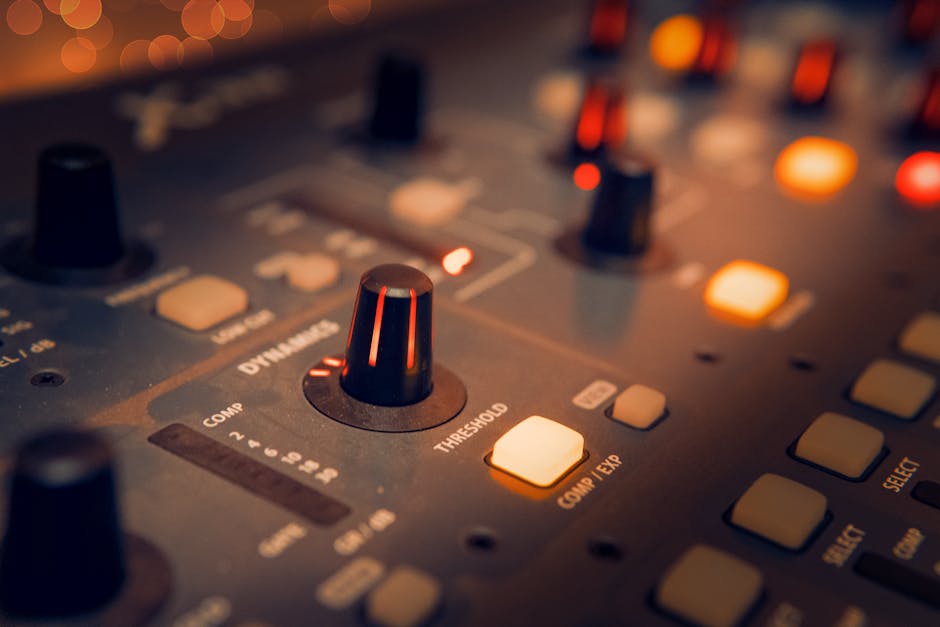
The genesis of Criteria dates back to 1958, when Mack Emerman, a sound engineer with a deep passion for music, founded the studio. Initially conceived as a modest space, Emerman implemented a work philosophy centered on acoustic quality and the ability to adapt to the creative needs of artists. During its early decades, Criteria quickly established itself, attracting legendary figures. Engineers and producers of the caliber of Tom Dowd, Arif Mardin, and Jerry Wexler, who collaborated closely with artists such as the Bee Gees, Eric Clapton, and Aretha Franklin, contributed to forging its reputation. The studio’s initial technical setup, featuring custom consoles and state-of-the-art analog recording systems for its time, allowed for the capture of performances with a warmth and tonal depth that became distinctive of the productions made there. Criteria’s ability to generate a robust and articulate sound was a determining factor in its early success, positioning it as a benchmark on the U.S. East Coast.
Sonic Evolution and Expansion Through Key Decades
During the 1980s and 1990s, Criteria underwent significant expansion and technical modernization, further solidifying its status. This period coincided with a boom in Latin music in the United States and globally, and the studio transformed into a preferred destination for many of the region’s most influential artists. Names like Gloria Estefan and Miami Sound Machine, Julio Iglesias, Shakira, and Ricky Martin chose its facilities to craft albums that would define an era. Even iconic Spanish-language rock bands like Soda Stereo, led by Gustavo Cerati, found the conducive environment at Criteria for their recordings, marking a cultural and sonic bridge between Latin America and Miami’s musical epicenter. The integration of advanced digital technologies with the warmth of analog equipment allowed the studio’s engineers to develop hybrid production techniques that maximized both fidelity and versatility, offering artists an unparalleled sonic canvas. The resonance of these projects in the musical culture of Argentina and all of Latin America underscores Criteria’s cross-cultural influence.
In the new millennium, Criteria Studios, which at one point operated under the name Hit Factory Criteria, has continued its evolution, adapting to profound technological changes and new industry trends. The transition towards workflows based on digital audio workstations (DAWs) like Pro Tools and the integration of high-resolution monitoring systems are examples of this adaptation. Despite the rise of home studios and remote production platforms, Criteria’s infrastructure and expertise maintain their relevance, especially for projects demanding a controlled acoustic environment and top-tier sound engineering. The studio has implemented configurations for immersive audio formats, such as Dolby Atmos, allowing artists to explore new spatial dimensions in their mixes. This focus on innovation, without losing sight of its rich analog heritage, enables the studio to remain a benchmark for contemporary artists seeking exceptional sound quality and a technical legacy that few places can offer. The durability of its prestige lies in its ability to blend tradition with the avant-garde, a model that many current studios aspire to replicate.
Technological Adaptation and Hybrid Production in the New Millennium
The trajectory of Criteria Studios Miami is a story of persistence, technical excellence, and an unwavering vision for music production. From its humble beginnings to its position as a global icon, the studio has profoundly influenced the sound of generations of musicians, establishing itself as a beacon for creativity and innovation. Its legacy resides not only in the countless albums recorded within its walls but also in the continuous inspiration it provides to engineers, producers, and artists seeking to achieve maximum sonic expression. Publications like Sound on Sound and MusicTech frequently analyze the evolution of historical studios, and Criteria offers an exemplary case study on how quality and adaptability ensure transcendence in a constantly transforming industry.
Related Posts

Abbey Road Studios: Evolution of Recording Techniques and Technological Adaptation
From analog tape to immersive audio, exploring Abbey Road's influence on modern music production.
Compass Point Studios: Sound Engineering and Legacy in Music Production
An analysis of Compass Point's iconic sound, its genre influence, and applicable production techniques today.
Electric Guitar Recording: Mic'd Amp vs. Direct Input (DI)
Technical analysis of electric guitar recording techniques: mic'd amp versus direct input (DI) and their applications.

Power Station NYC: Acoustic Design and Technological Evolution in Audio Engineering
Exploring Power Station's acoustic legacy and its adaptation to modern music production, from analog to AI.