The Technological Evolution of Personal Music Studios: From Portastudios to AI
Analyzing the democratization of music production, from multitrack recorders to AI tools for the home studio.

The Evolution of Home Recording: From Cassettes to Digital
The evolution of music production has been profoundly shaped by the advent of personal studios, a phenomenon that has transformed the creative capabilities of musicians and producers worldwide. What was once an exclusive privilege of major record labels and established artists is now an accessible reality for many, driving unprecedented democratization in sound creation. This shift unfolded over decades, with technological innovations gradually enabling the transfer of professional studio power into the domestic realm.
The initial steps in this direction were taken in the late 1970s and early 1980s with the introduction of cassette-based multitrack recorders. The Tascam Portastudio, launched in 1979, marked a fundamental milestone. This compact and affordable device allowed for the recording of up to four audio tracks onto standard cassette tape, offering basic mixing and overdubbing functions. Artists like Bruce Springsteen and bands contributing to what would become the lo-fi sound of independent music used this equipment to realize musical ideas without the need for costly sessions in commercial studios. The Portastudio not only simplified the recording process but also encouraged experimentation and fostered a distinct sonic aesthetic that still resonates today in genres like indie and bedroom pop. The user-friendly operation of these machines made it possible for musicians without advanced technical training to capture their compositions, paving the way for self-production that was previously unimaginable.
The Rise of Digital Audio Workstations (DAWs)
As the 1990s arrived, digital technology began to redefine the landscape. Digital multitrack recorders, such as the Alesis ADAT, offered superior audio quality and a greater number of tracks (eight per unit, expandable). While still bulky and relatively expensive for the time, these systems found their way into semi-professional studios and the early, more ambitious home studios. Concurrently, personal computing was advancing rapidly. The emergence of early software-based Digital Audio Workstations (DAWs), like Cubase and Logic for Mac, and later Pro Tools LE, initiated a new era. These programs, combined with audio interfaces and dedicated sound cards, allowed users to record, edit, and mix audio directly on their computers. Non-destructive editing capabilities, parameter automation, and the integration of virtual MIDI instruments revolutionized workflows, providing unprecedented creative flexibility. The initial investment in a powerful computer and a quality audio interface became a viable alternative to acquiring expensive analog hardware.
The 21st century solidified the proliferation of personal studios. Continuous improvements in computer performance, the miniaturization of technology, and drastic cost reductions made professional recording equipment accessible to a mass audience. Compact audio interfaces from brands like Focusrite or Universal Audio, along with a vast library of processing plugins (compressors, equalizers, reverbs) and virtual synthesizers, put tools previously exclusive to elite studios within reach. This widespread access fueled an explosion of creativity, enabling artists worldwide to produce high-quality music from their homes. The globalization of music streaming, with platforms like Spotify and Bandcamp, also provided a direct channel for distribution, eliminating barriers that had previously hindered reaching an audience. Today, the personal studio is not just a place for recording, but a comprehensive production hub where works are composed, arranged, edited, mixed, and mastered.
Technological Democratization and Accessibility in Personal Studios
Current innovations continue to transform the personal studio. Artificial intelligence (AI) is being integrated into mastering and mixing tools, offering intelligent assistance to optimize sound. Cloud-based collaboration platforms enable musicians from different geographies to work together on projects in real-time, overcoming physical limitations. Immersive audio production, such as Dolby Atmos, once confined to specialized facilities, is becoming more accessible for creation in domestic environments, with simplified tools and workflows. These advancements indicate that the home studio will remain a driving force of change in the music industry, adapting to new technologies to offer even greater creative possibilities. The history of personal recording is a testament to how technology, by becoming more accessible, has empowered countless talents, redefining the sonic landscape and solidifying the role of the independent artist-producer.
Related Posts
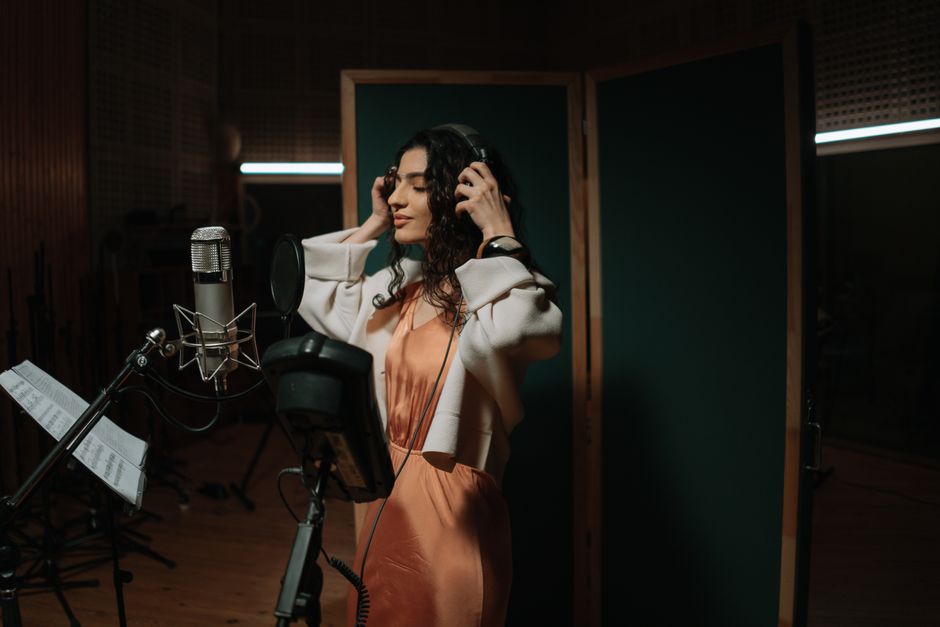
Room Acoustics: Principles for Optimizing Music Production Environments
Impact of reverberation, reflections, and standing waves on music production. Absorption and diffusion strategies for reliable sound environments.

Mastering Adaptively: Machine Learning Applications in Sound Optimization and Audio Consistency
Investigating how AI and machine learning optimize equalization, dynamics, and loudness in professional audio mastering.

Vinyl Mastering: Groove Physics, Limitations, and Analog/Digital Processing Techniques
Delve into the technical challenges of vinyl mastering: frequencies, stereo, dynamics, and tools for faithful reproduction.
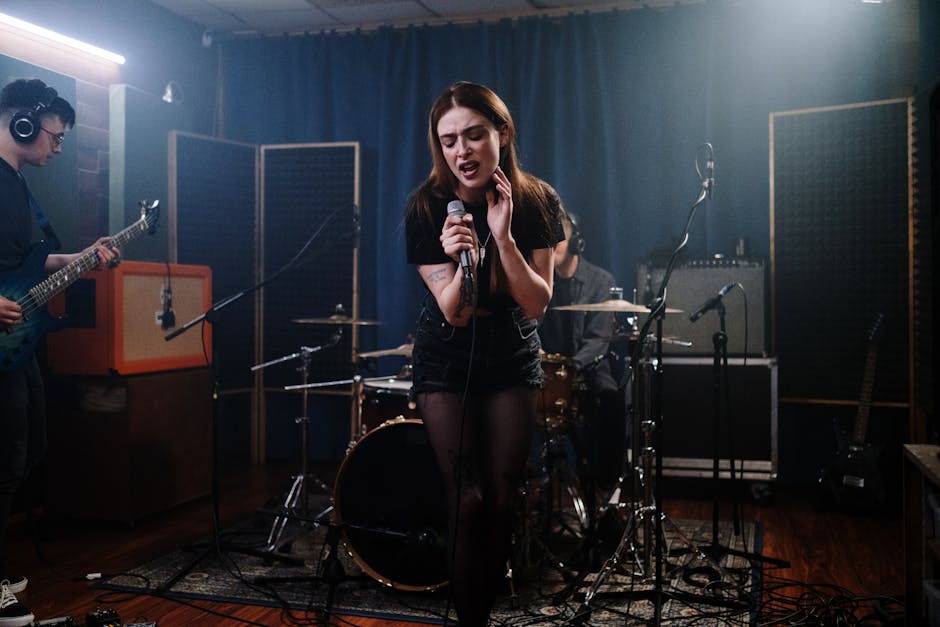
Electric Guitar Recording: Mic'd Amp vs. Direct Input (DI)
Technical analysis of electric guitar recording techniques: mic'd amp versus direct input (DI) and their applications.