Criteria Studios: Genesis, Technological Innovation, and Legacy in the Music Industry
An analysis of the evolution, techniques, and enduring impact of Criteria Studios on global music production and audio fidelity.
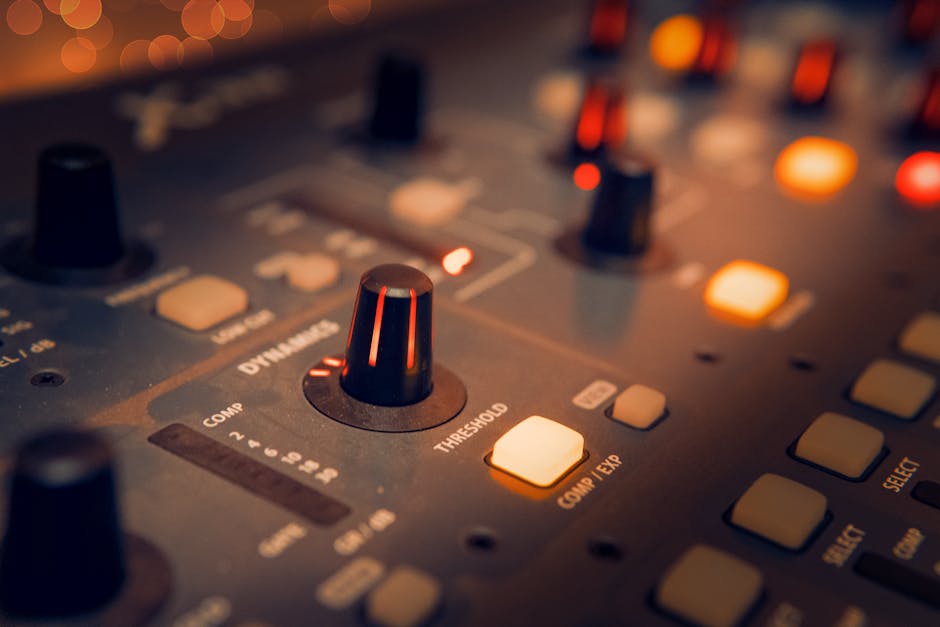
Genesis and Consolidation of Criteria Studios
Criteria Studios, a name synonymous with sonic excellence and a cornerstone in music history, was established in Miami, Florida, as a creative epicenter that attracted globally renowned artists. Its trajectory not only encompasses decades of iconic recordings but also stands as a testament to technological evolution in music production and the relentless pursuit of audio fidelity. This analysis will delve into its genesis, the innovations it implemented, and the lasting impact it exerted on the phonographic industry, from its foundation to its legacy in the current landscape.
The emergence of Criteria Studios dates back to 1958, founded by Mack Emerman. Initially operating out of a garage, Emerman’s vision transformed that modest space into a state-of-the-art recording complex. The 1960s marked its consolidation, with the incorporation of custom consoles and meticulously designed acoustics. Artists such as James Brown, Aretha Franklin, and Eric Clapton (with Derek and the Dominos) chose Criteria to capture their artistry, producing albums that would define entire genres. Criteria’s atmosphere fostered experimentation, allowing engineers and musicians to forge distinctive sounds. The technical quality and the conducive environment for creativity solidified its reputation, attracting legendary figures like the Bee Gees and Fleetwood Mac in subsequent decades. The team’s ability to capture authentic performances and detailed instrumentation established a production standard that endures in the collective audio memory.
Technological Adaptation and Sonic Evolution
With the advancement of technology, Criteria Studios maintained a proactive stance, adapting to innovations without sacrificing its essence. From the early multi-track recordings on analog tape to the integration of digital systems, the studio consistently sought to implement the most advanced tools. The transition from large-format analog consoles, such as Neve or SSL, to hybrid infrastructures and, subsequently, to predominantly digital workflows, signified constant reinvestment and training. This adaptability allowed Criteria to remain relevant in a constantly changing sector. For instance, in the era of digital recording, preserving the warmth and sonic character that characterized its analog productions became a challenge, which was addressed through careful selection of microphone preamplifiers, high-resolution converters, and mastery of mixing techniques that combined the best of both worlds. Criteria’s ability to fuse tradition with technological modernity is a key factor in its prolonged influence.
The legacy of Criteria Studios transcends individual recordings; it represents a model of excellence in audio engineering and a catalyst for musical innovation. Its microphone techniques, room layouts, and the working philosophy of its engineers influenced countless studios and audio professionals worldwide, including many in Argentina and the region. Today, in a landscape dominated by home studio production and artificial intelligence in music, the principles forged at Criteria remain valid. The pursuit of optimal acoustics, meticulous equipment selection, and the importance of human performance are elements that resonate in current productions. For example, the attention to detail in the recording stage, which was a hallmark of Criteria, is now reflected in the demand for high-resolution recordings for streaming platforms like Spotify HiFi or Apple Music Lossless. Furthermore, the collaborative spirit that defined sessions at Criteria is manifested in remote production tools and online collaboration platforms. Criteria’s experience underscores that, while tools change, the essence of outstanding music production lies in artistic vision and technical dedication. Its history teaches how the harmonious integration of human talent and cutting-edge technology fosters enduring results.
Legacy and Influence in the Audio Industry
In summary, Criteria Studios was not merely a place where hits were recorded, but an institution that shaped how music is produced. Its commitment to sonic quality, its technological adaptability, and its role as a crucible of talent establish it as an unavoidable reference point in audio history. Criteria’s imprint persists, inspiring new generations of producers and engineers to pursue excellence and to understand that, beyond the tools, mastery resides in the ear and the passion for sound.
Related Posts

The Moog Synthesizer's Legacy: Evolution, Architecture, and Permanence in Electronic Music
Analysis of Moog's voltage control architecture and its lasting impact on sonic innovation and modern music production.

Coral Multimic Techniques: Stereo, Support, and Digital Processing for Aural Capture
Technical analysis of stereo configurations, support microphones, and post-production for immersive choral recordings.

The Evolution of Audio Engineering: From Analog Processing to Digital Effects and AI
Explores the metamorphosis of audio engineering, from analog effects to AI, democratizing creative tools.

WaveLab: Modern Audio Editing, Restoration, and Mastering for the Industry
Explore WaveLab's capabilities for precise editing, advanced restoration, and professional mastering, optimizing workflows.