Wave Table Synthesis: Operational Principles and Applications in Contemporary Sound Design
Explore the evolving dynamics of wavetable synthesis, its modulation mechanisms, and its impact on modern musical genres.

Fundamental Principles of Wavetable Synthesis
Wavetable synthesis represents a fundamental methodology in digital sound design, providing producers and artists with an extensive arsenal for creating complex and evolving timbres. Unlike the static waveforms of subtractive or additive synthesis, wavetable synthesis involves sequentially reading multiple waveforms stored in a “table.” This ability to transition between different waves in real-time allows for the generation of dynamic sounds that vary subtly or drastically, offering unparalleled harmonic richness. This technique has become a cornerstone in the production of electronic genres, experimental pop, and soundtracks, where expressiveness and textural evolution are key.
The operational principles of this synthesis focus on manipulating an index that traverses the waveforms within the table. Each individual waveform within the table can be a subtle variation of the previous one or a completely different one, enabling a vast tonal spectrum. The modulation of this wavetable index, typically through envelopes, LFOs (low-frequency oscillators), or sequencers, constitutes the core of its expressiveness. For instance, applying a slow LFO to the index achieves a sound texture that breathes and transforms gradually. If a fast envelope is used, percussive attacks with pronounced timbral change can be created. Interaction with resonant filters and modulation effects like chorus or flanger further amplifies the possibilities, allowing for intricate sculpting of harmonic content. Efficient implementation of these tools requires an understanding of how different waveforms interconnect and how modulation affects timbre perception.
Index Manipulation and Timbral Expressiveness
In the realm of advanced sound design, wavetables offer a robust platform for constructing sound textures ranging from evolving atmospheric pads to aggressive leads and pulsating basses. Modern synthesizers, both hardware and software, such as Xfer Serum (https://xferrecords.com/products/serum), Vital (https://vital.audio/), or Arturia Pigments (https://www.arturia.com/products/software-synths/pigments/overview), have refined the interface for manipulating these wavetables, integrating graphical editors that allow users not only to select pre-existing tables but also to create their own waveforms or import them from audio. This functionality exponentially expands creative potential, enabling the synthesis of unique sounds that reflect the producer’s sonic identity. Furthermore, the ability to process and distort waveforms within the table before final playback adds an additional layer of complexity and character.
Contemporary applications of wavetable synthesis resonate strongly in current electronic and urban music. From the distorted basses of dubstep to the crystalline arpeggios of trance, or the complex pads that define atmospheres in genres like ambient and synthwave, wavetables are ubiquitous. In Latin American productions, especially in genres that fuse electronic elements with traditional or urban rhythms, the flexibility of this synthesis allows for the generation of textures that complement and enrich the sonic palette. For example, it’s possible to generate a synthetic percussion sound that evolves harmonically throughout its duration, or a pad with internal movement that adds depth to a ballad. Recent innovations include the use of artificial intelligence to generate wavetables from audio samples, or to assist in the creation of complex modulations, opening pathways toward adaptive and reactive synthesis that responds in real-time to other musical elements. This integration with emerging technologies positions wavetable synthesis at the forefront of music production, offering tools for experimentation and the creation of unprecedented soundscapes.
Implementation and Creative Potential in Modern Synthesizers
In synthesis, the wavetable stands as an indispensable tool for any sound designer or music producer looking to go beyond static waveforms. Its inherent capability for timbral evolution and the creation of dynamic sounds makes it an expressive and versatile medium. By understanding its fundamentals and applying its modulation techniques, creators can construct distinctive sound textures that enrich any composition, maintaining constant relevance in the contemporary and future musical landscape.
Related Posts

Pro Tools: Architecture and Adaptation to Contemporary Music Production Methodologies
Analysis of Pro Tools' role in advanced workflows, from editing to cloud collaboration and immersive audio.

Unlocking Dread Mar I's Studio Magic: Crafting Reggae Hits for Global Ears
Explore the studio techniques, production philosophies, and signature sound engineering behind Dread Mar I's iconic reggae and Latin pop hits.

Almendra: Harmonic and Poetic Innovation in Argentine Rock
Analysis of Almendra's sonic and lyrical proposal, pioneers of Argentine rock and their impact on Latin American music.
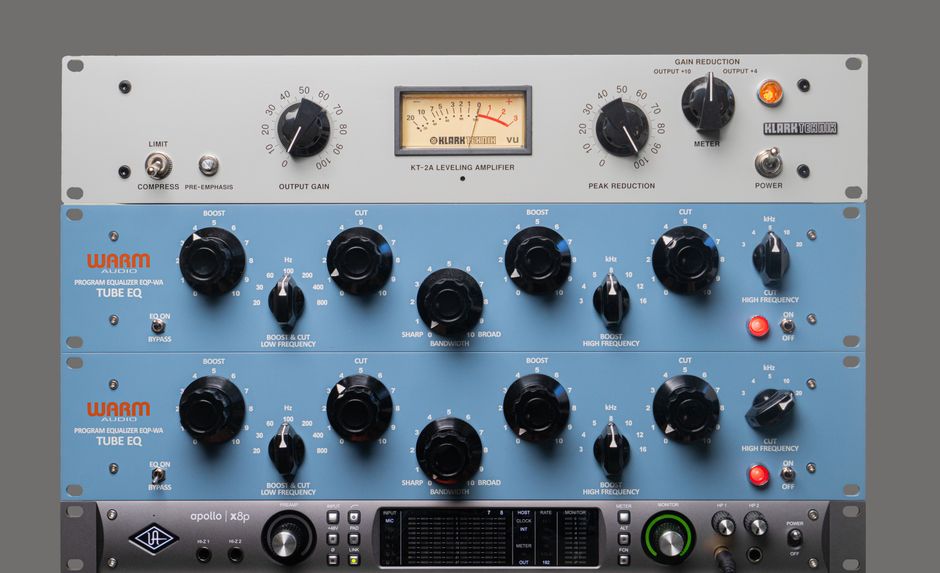
Frequency Adaptive Compression: Advanced Spectral Dynamic Control in Music Production
Analyzing frequency adaptive compression for spectral dynamics, optimizing mixes, and refining tonal balance.